
Everyone likes to think they’re immune to marketing. That they can just scroll absentmindedly on their “For You” page without being influenced. In reality though, much of the content we see isn’t just content, it’s also a strategy.
The Rise of Copycat Consumption
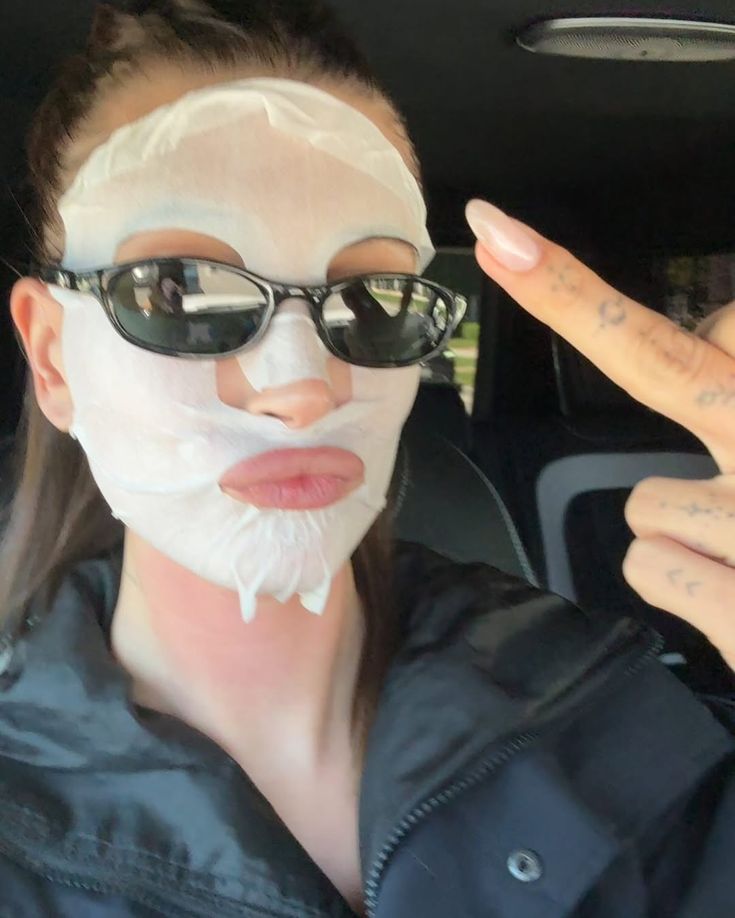
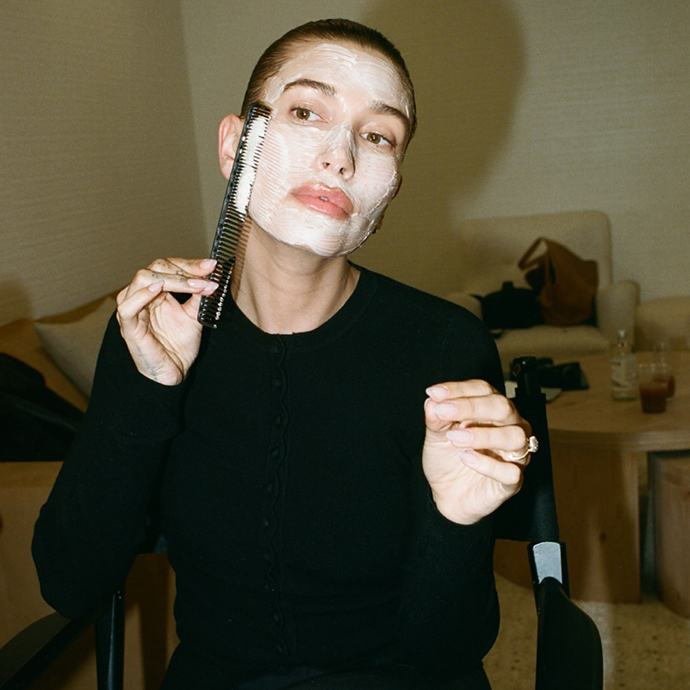
Just scroll through TikTok or Instagram for five minutes and you’ll pretty quickly notice a pattern. It’s the same routines and habits being repeated over and over again. One of the most notable examples of this is Hailey Bieber, who has the ability to transform any seemingly casual routine into the next big trend. Whether it’s applying a face mask with a comb or casually eating sushi while wearing a sheet mask, these everyday moments are turned into hyper-stylized rituals that are then being widely replicated online.
What starts as one person’s “authentic” moment quickly becomes thousands of people recreating it almost identically. It’s no longer just an inspiration, it’s imitation at a massive scale, and the line between personal choice and subtle influence is becoming blurrier as it spreads.
Why the Companies Love It
This isn’t just happening by accident. Brands and marketing teams understand that reliability sells more than traditional advertising. Copycat marketing works because it taps into people’s desire to belong. When everyone is doing the same thing, it puts a spotlight on it, signaling that it’s desirable (even if there’s no real reason behind it).
Then when you add in algorithm driven socials, such as TikTok, that rewards repetition, suddenly the same idea is being reinforced by everyone. It has the look and feel of being organic, but it’s often carefully planned and calculated.
There’s also a psychological shortcut that marketing teams prey on. Instead of evaluating whether a product is useful, people evaluate whether it fits into the lifestyle they want to emulate. Making the decision less about actual need and more about identity.
The Deception of Influence
Audiences aren’t as detached as what they may think. Repetition builds familiarity and that familiarity builds trust. When you see the same routine or product enough times it starts to feel normal, and even necessary. However, that doesn’t mean that consumers are “brainless.” It just means that they’re human. We’re wired to pick up on patterns and mirror behaviors of others, especially when they’re being presented as aspirational.
That being said, there’s also nothing inherently wrong with wanting to recreate something you’ve seen online. Trends can be fun, creative and even a way to connect with new people. The key difference is just awareness. Recognizing that many of these moments we are being fed online aren’t actually purely spontaneous, helps us shift the mindset from passive consumption to something that is an active choice. With everything seemingly becoming a trend, the most intentional thing you can do is decide what’s actually yours.
What’s a trend you’ve been wanting to try for yourself, that you’ve seen online? Tag us on Instagram at @VALLEYMag to share.




I simply couldn’t leave your web site before suggesting that I actually enjoyed the standard information an individual provide on your guests? Is going to be back regularly to inspect new posts.
Hey, you used to write magnificent, but the last several posts have been kinda boringK I miss your great writings. Past few posts are just a little out of track! come on!
I got what you intend,saved to fav, very nice web site.
As I web-site possessor I believe the content matter here is rattling excellent , appreciate it for your hard work. You should keep it up forever! Best of luck.