
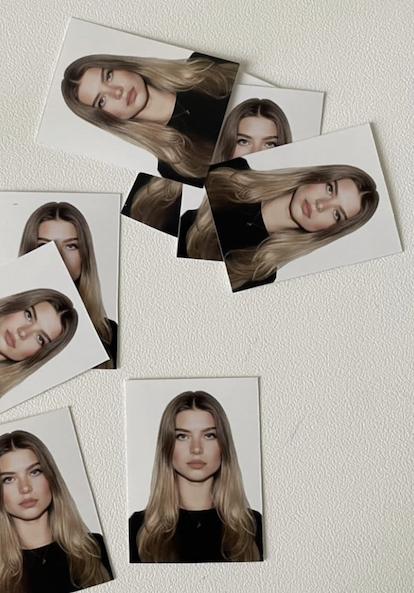
“Face card never declines.” It’s the kind of phrase that is everywhere on social media, which serves as both a compliment and a standard all at once. The idea is simple: some people are just naturally pretty. No makeup, no effort and no touch-ups needed. But behind the obsession with “effortless beauty” is a reality that’s a lot less effortless.
Face Card Culture
Face card culture is built on the idea of looking perfect without looking like you tried. Think clear, glowing skin, perfect eyebrows, slicked-back hair and minimal makeup that somehow still looks flawless. It’s often framed as a step away from the heavy glam of past years, and a move toward natural beauty and authenticity. Yet, in many ways, the pressure hasn’t disappeared.
Looking “natural” now takes work. The routines behind the effortless looks are anything but simple. Lash lifts, brow laminations, teeth whitening and subtle cosmetic procedures are all marketed as low-maintenance ways to enhance your features. Though they still require consistent upkeep and a significant financial investment. Instead of covering imperfections, the goal is to eliminate them entirely.

The Role of Social Media
Social media has played a huge role in shaping this standard. Perfect lighting, curated routines and subtle filters blur the lines between what’s edited. When your feed is filled with people who look naturally flawless, it’s easy to forget how much goes into that image and even easier to start comparing yourself to it.
There’s also a shift in how effort is perceived. Full glam makeup, which was once the peak of beauty culture, is now seen as “trying too hard.” Meanwhile, minimal makeup and natural features are framed as more desirable, but only when they meet a certain standard. The message becomes: the less it looks like you’re trying, the better. Even if, behind the scenes, you’re still doing more.
That’s where face card culture gets complicated. On one hand, it encourages people to embrace their natural features and invest in long-term self-care. On the other hand, it introduces a new kind of pressure—one that suggests you should wake up looking effortlessly perfect. It’s not necessarily more attainable than past beauty standards; it’s just packaged differently.
The real takeaway isn’t that face cards decline or don’t, it’s that the whole concept is misleading. Beauty has never really been effortless. It’s influenced by trends, shaped by culture and maintained behind the scenes. The difference now is that the effort is hidden.
How do you feel about “face card culture”? Let us know on X or Instagram by tagging us @VALLEYmag!


Nice read, I just passed this onto a colleague who was doing some research on that. And he actually bought me lunch as I found it for him smile Therefore let me rephrase that: Thanks for lunch! “Whenever you have an efficient government you have a dictatorship.” by Harry S Truman.
One of the better posts I’ve read on this subject lately. Straightforward, well-sourced, and genuinely useful.
Currently iit soynds like BlogEngiine iss thee best blogging platformm availkable
rigt now. (from what I’ve read) Is thatt whaat you’re using onn youjr
blog? xnxx