
Nowadays, there are hundreds of ways society is trying to get tan and darken their skin. From tracking the UV on our weather apps in the summer to utilizing indoor tanning salons during the winter, it has become a mission to chase UV rays to get the ultimate tan. For those who choose to stray away from UV exposure, the fake tan business has been booming now more than ever. Spray tans, at-home foam tanning mixtures and facial tan mists are all common ways to get a topical tan these days. Some even go as far as injecting peptides like Melanotan 1 and Melanotan 2 for a sleek tan look without exposure to the sun.
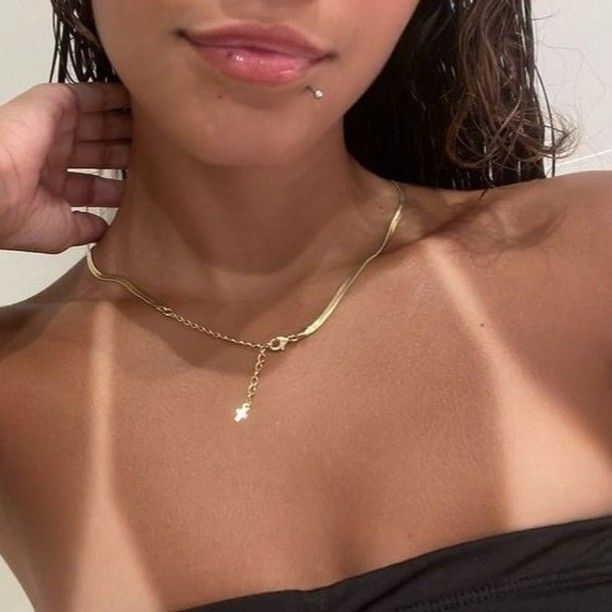
For the most part, we are all guilty of this. We look back at photos with our tan skin and complain about our “winter uglies” and how we can’t wait to look that tan again. Why is that? While society today connotes tan skin with adhering to the beauty standard, decades past praised pale skin, and in fact, even frowned upon a tanner complexion.
Ancient societies
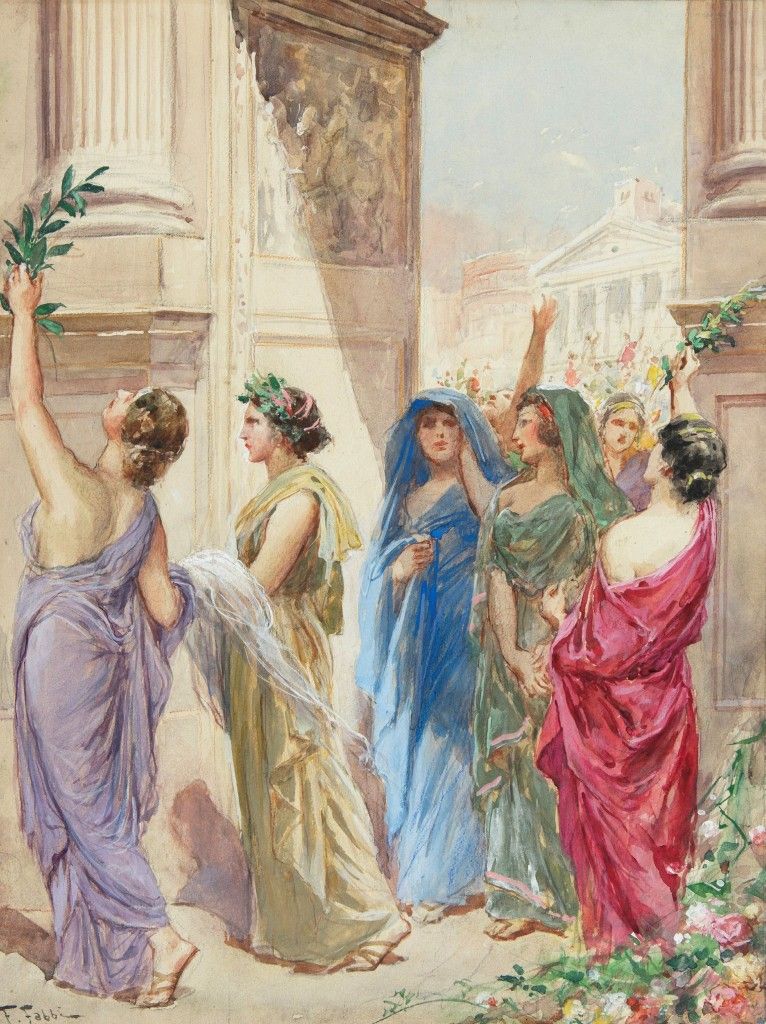
In ancient societies, specifically ancient Roman, Egyptian and Greek cultures, being fair-skinned was seen as a sign of wealth and class. In order to achieve tan skin, it was implied that one was exposed to the sun from daily outdoor labor or work. Because of this, those with paler skin were seen as wealthy and exempt from work. Pale skin on a person suggested they had more leisure time and overall free choice. Many ancient families that held status would wear visors, veils or umbrellas to cover their fair skin from sun exposure. In more extreme cases, some would apply white powders to their body to achieve a more pale skin tone.
Pre-20th Century
Through the Victorian era, the obsession with pale skin continued. There were social expectations for women to stay indoors, rumors about the extreme damage of UV rays and fashion trends that did their best to cover women’s skin. The start of the industrial revolution also reemphasized the idea of the outdoors association to labor or hard work.
The Turning Point
The 20th century was the turning point for the beauty standard of tan skin. After the world wars, there was more time for outdoor leisure, leading to more overall sun exposure. There was more media and marketing that emphasized beach vacations, bronzed skin and glows from the sun. In fact, in the early 1920s, Coco Chanel came back from a beach vacation with a more tan complexion. This raised comments and concerns since tan skin was considered a negative attribute, but Coco Chanel embraced the look and stood as a role model to follow for tan skin.
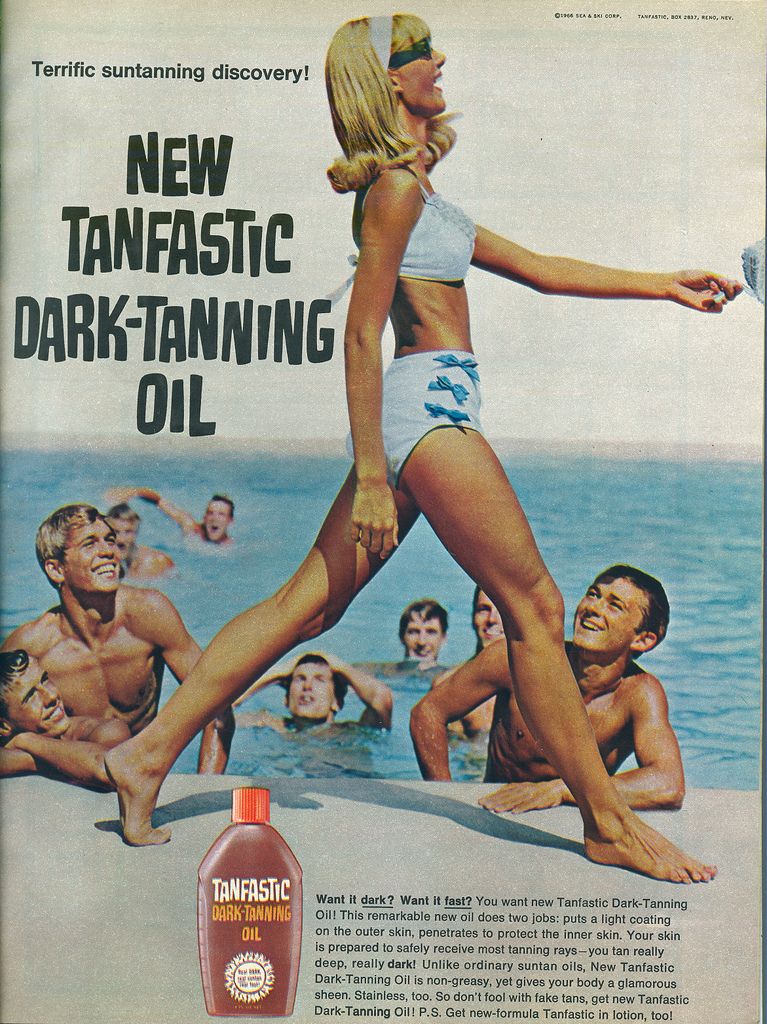
So, the next time you reach for your next bottle of self-tan or wait in line for a tanning bed at the downtown Planet Fitness, think about the history and evolution of tanning culture.
What do you think? Let us know @VALLEYmag on Instagram!




Good, I should definitely pronounce, impressed with your website. I had no trouble navigating through all tabs as well as related information ended up being truly simple to do to access. I recently found what I hoped for before you know it at all. Reasonably unusual. Is likely to appreciate it for those who add forums or something, web site theme . a tones way for your customer to communicate. Excellent task.
Hi my friend! I wish to say that this article is amazing, nice written and include approximately all vital infos. I’d like to see more posts like this.
Wow that was odd. I just wrote an really long comment but after I clicked submit my comment didn’t appear. Grrrr… well I’m not writing all that over again. Anyhow, just wanted to say wonderful blog!