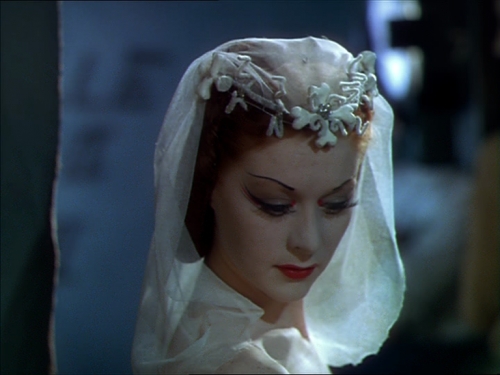
Recent trailers for HBO’s “Harry Potter” and Disney’s live action “Moana” have left audiences wondering where the magic of movies has gone. These beloved stories are being retold in hopes to expand the fanbase and overall story, but they’re sacrificing a very vital visual aspect—color grading.
The question of “where has all the color gone” has been circulating in corners of the internet since post-COVID-19 productions began to hit theatres; the conversation entered the mainstream with “Wicked” in 2024 when audiences noticed the lack of life Oz had when comparing it with “The Wizard of Oz.”
What is the cause of this gray-ification of the silver screen? Why does color matter so much to modern viewers and storytellers? It’s time for the tale of technicolor and color grading in film, before these elements become something of myth.
Ruby Red Slippers and Yellow Brick Roads
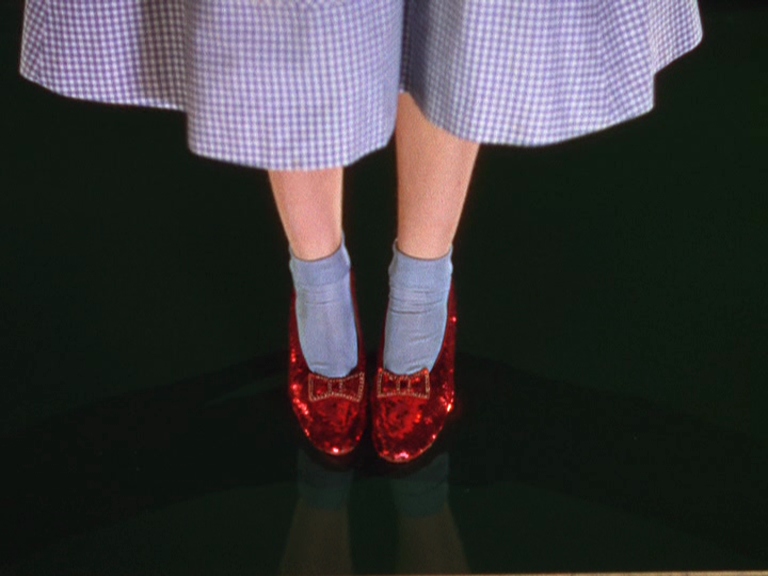
When people think of the term “technicolor,” they often think of golden age Hollywood movies and musicals—not the actual company, Technicolor Motion Picture Corporation. They were responsible for the iconic oversaturation of films in the early 20th century. The Technicolor process differed over the years as film was still evolving from just “motion pictures” to full-length, color productions; the most famous technique was “Three-Strip Technicolor.”
According to No Film School, the three-strip technique was done using a specialized camera that was able to individually expose three strips of black and white film, each to capture primary film color (red, green, and blue). These three strips were then combined into the full-color image that allows you to see Dorothy in her ruby slippers and blue gingham dress skipping along the yellow brick road.
Not only did this classic film technique impact the visual value of a film, but by being able to isolate and emphasize specific shades, it also informed the audience of important themes and symbolism throughout the story.
Nowadays, movies aren’t made on actual film strips anymore. The three-strip process and all others eventually became obsolete due to the digital age, leaving viewers to lament the lack of saturated colors. We don’t see true technicolor past the mid-1970s for the most part, but there are other modern day modes of making color monumental in movies.
The Undersaturated Market of Color Grading
While “color grading” may seem like a modern term and practice, it’s actually a process that’s been performed on films since before they were even in color. Color grading, similarly to technicolor, allows the filmmakers to connect with the audience through a visual language, rather than have everything explicitly in the dialogue.
Jet Omoshebi, a famous colorist who has worked on projects like “The Witcher” and “Underworld,” defines his role as “a translator between the filmmakers and their audience—to make sure no message is lost.”
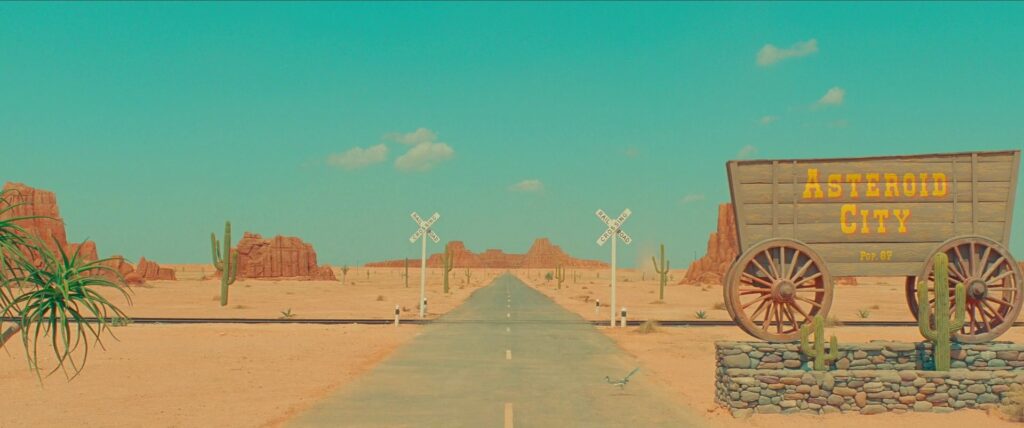
Wes Anderson’s filmography is an excellent example of how color grading can completely alter a movie. Although his stories are constructed in “reality,” they seem fantastical due to the very specific color palette Anderson works with—usually pastels of yellow, pink and blue.
According to Film Supply, there are four major categories color grading tends to fall into: the blockbuster look, monochromes, Bleach Bypass and the classic black and white. The blockbuster look emphasizes teal and orange, these colors act as opposites, creating contrast that allows characters to pop. You can see this coloration in films like “Mad Max: Fury Road” or often in the Marvel Cinematic Universe.
Monochromes are exactly as they sound, selecting one color to emphasize; some examples include the blues of “Moonlight” or the greens of “The Matrix.” Think of any famous war movie, they probably use Bleach Bypass. The bleaching method is for a very unsaturated and desolate appearance, making it perfect for films like “Saving Private Ryan.”
All of these strategies can create an atmosphere for the audience to get wrapped up in, fully immersing them in the world of a film.
The Whole, Colorful Picture
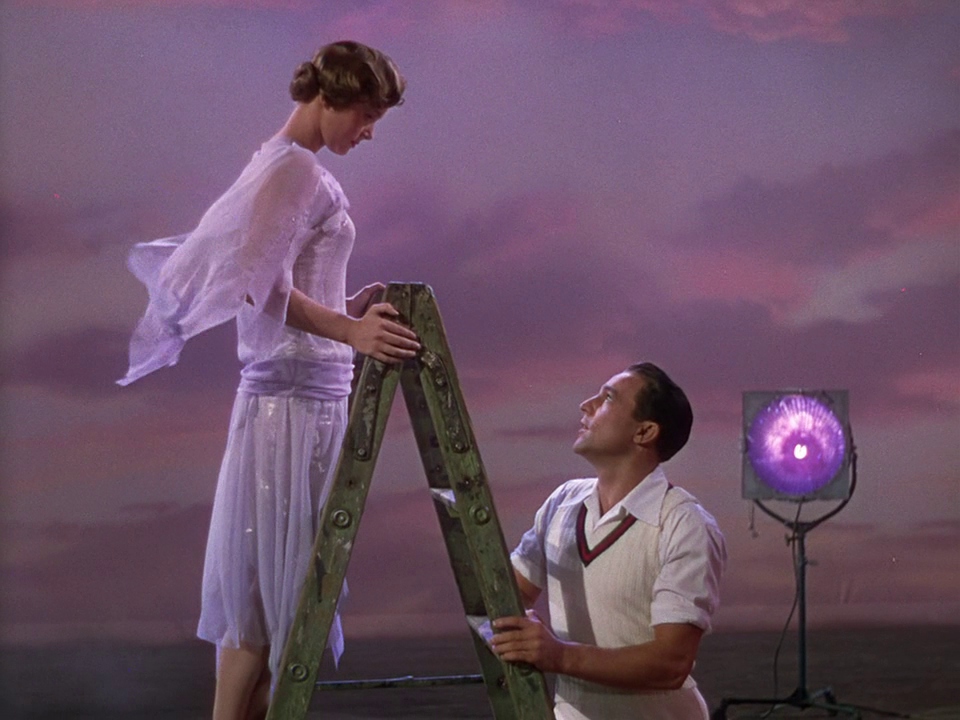
Although film began in black and white, it’s clear that current audiences crave color. The new standard of color grading shifting towards what many are calling either “Netflix lighting” or “commercial,” is deeper than missing some saturation, it’s isolating the audience from being able to connect with characters.
From “The Devil Wears Prada 2” to “Disclosure Day” each new film trailer feels the same as the last because the colors are flat and faded. Cinephiles don’t want cinema to look like the everyday world, they’re seeking to participate in another world for a brief time— not only to be transported, but to also be visually enthralled.
Color must remain a purposeful and powerful choice in film for the sake of art and audiences alike.
What are your thoughts on “Netflix lighting” and color grading? Let us know @VALLEYMag on Instagram or X!





I likewise believe thus, perfectly pent post! .
I’m impressed, I need to say. Actually not often do I encounter a weblog that’s each educative and entertaining, and let me let you know, you have hit the nail on the head. Your thought is outstanding; the issue is one thing that not enough people are talking intelligently about. I’m very comfortable that I stumbled across this in my seek for something regarding this.
I like what you guys are up also. Such intelligent work and reporting! Carry on the excellent works guys I have incorporated you guys to my blogroll. I think it will improve the value of my site 🙂
Merely wanna input on few general things, The website design is perfect, the content is rattling great : D.
I like this blog very much, Its a rattling nice position to read and get information. “Things do not change we change.” by Henry David Thoreau.
Hey there, You have done an excellent job. I will certainly digg it and personally suggest to my friends. I’m confident they’ll be benefited from this site.