

Content Warning: This article discusses sexual violence and trauma. If you or someone you know needs support, contact the Centre Safe 24-hour hotline at 1-877-234-5050 or visit https://www.centresafe.org/
It is utterly exhausting to live in a world where rape culture feels like normalcy — where justice is inconsistent, where abusers hold power and where people would rather live in ignorance than confront what is happening around them.
There is so much shame bound to trauma, convincing survivors that what happened to them is something to carry alone — but that shame was never theirs to hold.
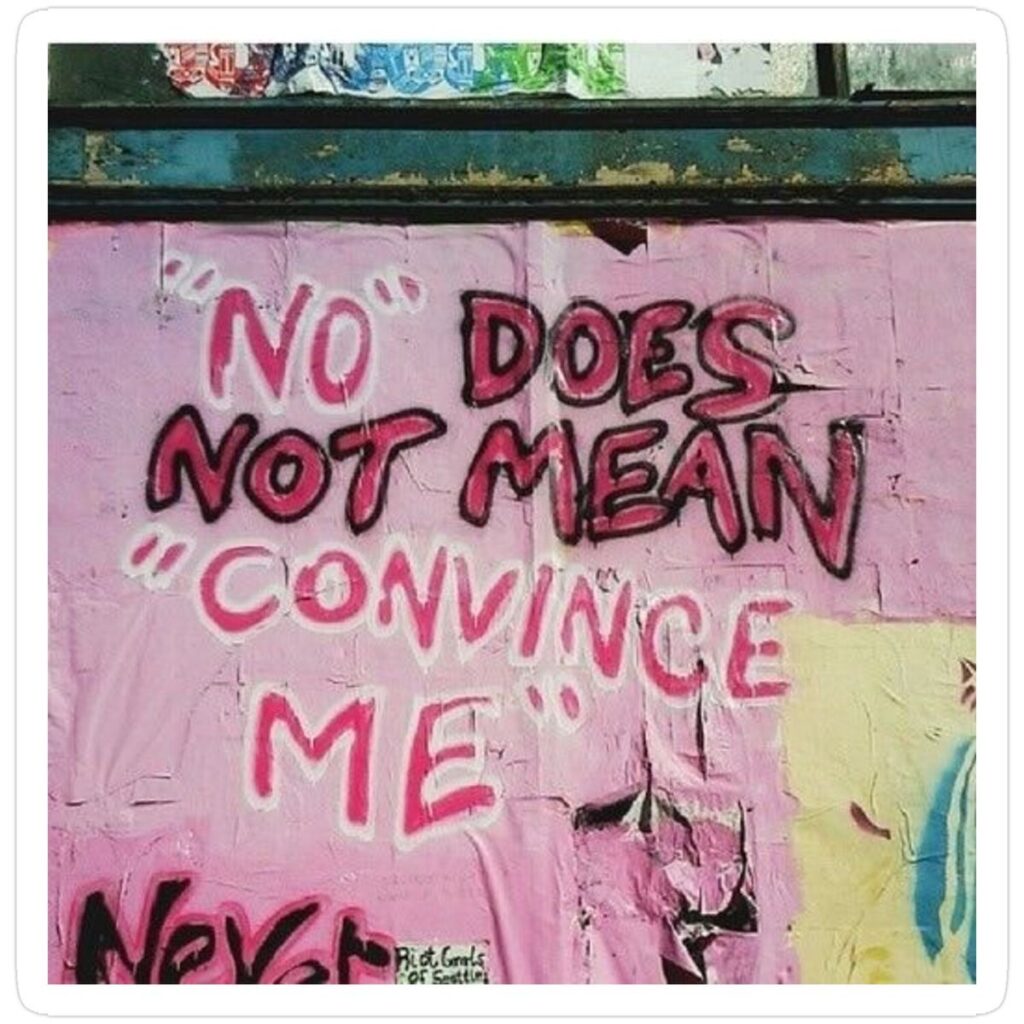
Consent is not complicated, nor is it up for interpretation; it’s either there or it’s not.
The Reality Behind the Numbers
On college campuses across the country, statistics show that one in four women and one in sixteen men will experience sexual assault. Of those, only a fraction — about 20% — report it.
Numbers do not hold the weight of what that actually means. They don’t show all the second-guessing or the fear of not being believed. They don’t show the anxiety of standing across from someone who violated you and may never be held accountable.
What they do show is prevalence — but behind each number is a person.
Someone who changes their walking route to avoid certain buildings, who pretends they’re fine because explaining why they’re not feels impossible. The statistics don’t show a heart racing at a familiar voice in the dining hall, or how a single notification from an unknown number can send someone back into spiraling panic.
We don’t see the student who quietly drops a class, the friend who suddenly stops going out, the roommate who can’t sleep unless the lights stay on. We see data points where there should be names and stories.

There Was Never an Excuse
What someone wears is never an invitation. Flirting is not “asking for it.” Being drunk is not an excuse for harmful actions nor a reason to condemn a victim.
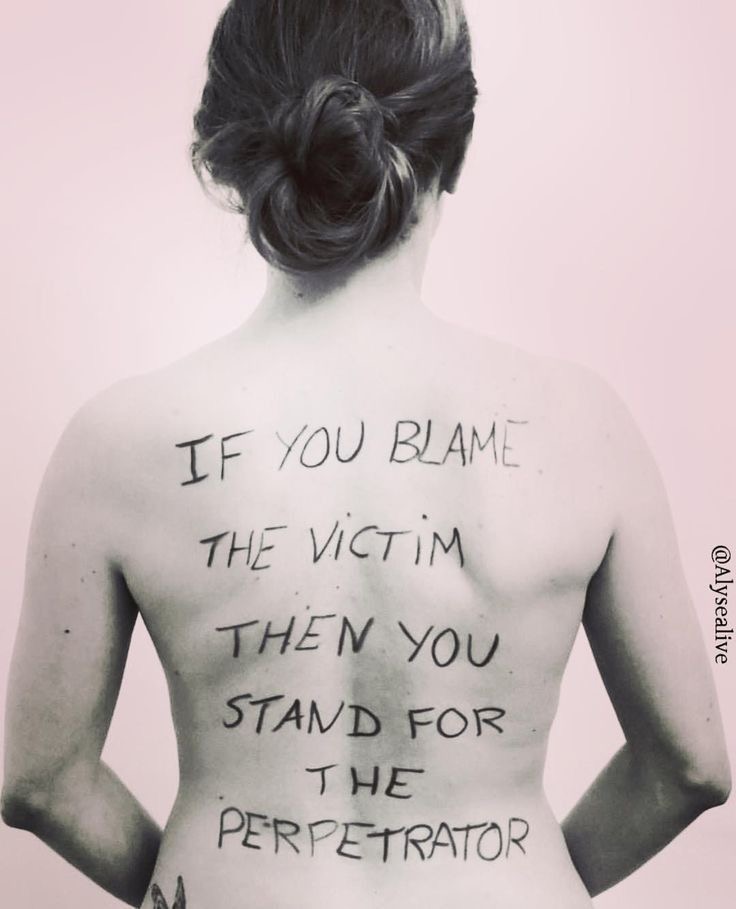
Yet these narratives persist, shifting blame onto survivors rather than holding perpetrators accountable. We continue to ask the wrong questions, searching for explanations that make sexual violence easier to understand. There are none.
Rapists cause rape. The violation of your body and your consent is never okay.
A Culture That Has Grown Numb
For many, the mention of sexual assault no longer holds the weight it should. It’s treated as just another story, another headline, another statistic.
This is what desensitization looks like — and it should terrify us.
Violence has been woven so deeply into our culture that it often goes unchallenged. It shows up in everyday conversations, in the way survivors are treated and in the way accountability is avoided.
Apathy has settled in where outrage should be.
When survivors do speak, they are often met with judgment, disbelief, or silence. Slut-shaming and victim-blaming continue to push people back into that silence. This normalization protects perpetrators.

It Is That Deep
There is a moment, often in young adulthood, when it becomes painfully clear just how widespread this is. It happens in conversations you were not expecting to have — in stories shared casually, as if they are not as heavy as they are, or in experiences lived firsthand.
It is a sobering realization: hearing someone you love speak about something they have carried alone and understanding how many people in your life have been affected.
You hear these stories and can feel two incredibly ardent emotions at once: anger and helplessness. You notice how someone can carry themselves with light and love, while simultaneously holding the pain they have learned to minimize.
Who We Expect to Answer for It
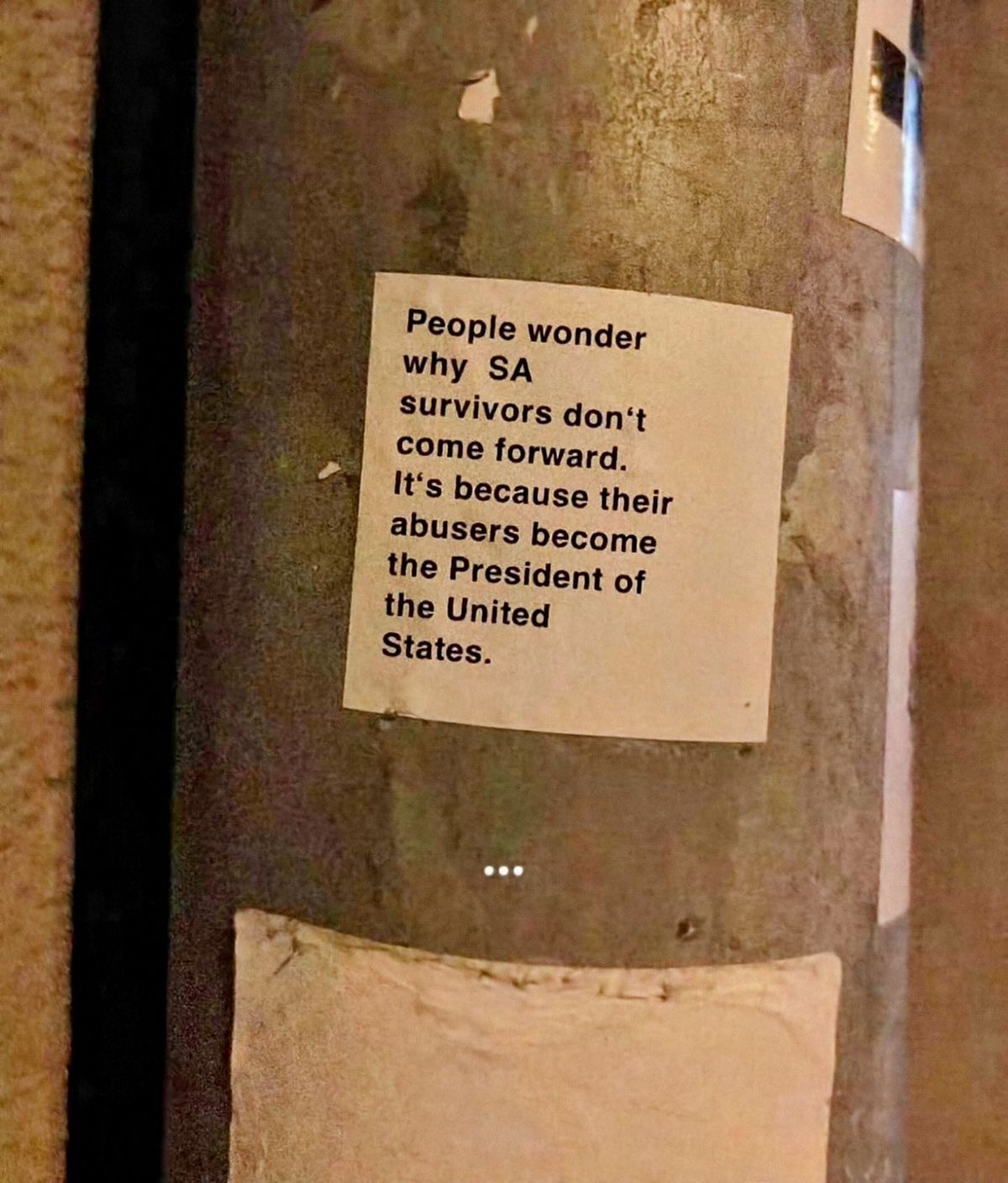
We are taught to hold ourselves accountable for things we did not cause — to analyze our choices, our actions, our presence. Meanwhile, those who commit harm are not held to the same standard.
The damage they cause is real and lasting — and yet, we live in a culture where these violations are treated as low-risk, high-reward. That imbalance is not accidental. It is part of the system that allows these acts of violence to continue.
Choosing to Care
April is Sexual Assault Awareness Month, a month of recognition and prevention education that exists for those who were not heard. For those who were silenced, for those who could not find the words and for those who are still trying to.
It is also a call to those who have the ability to listen, to support and to act.
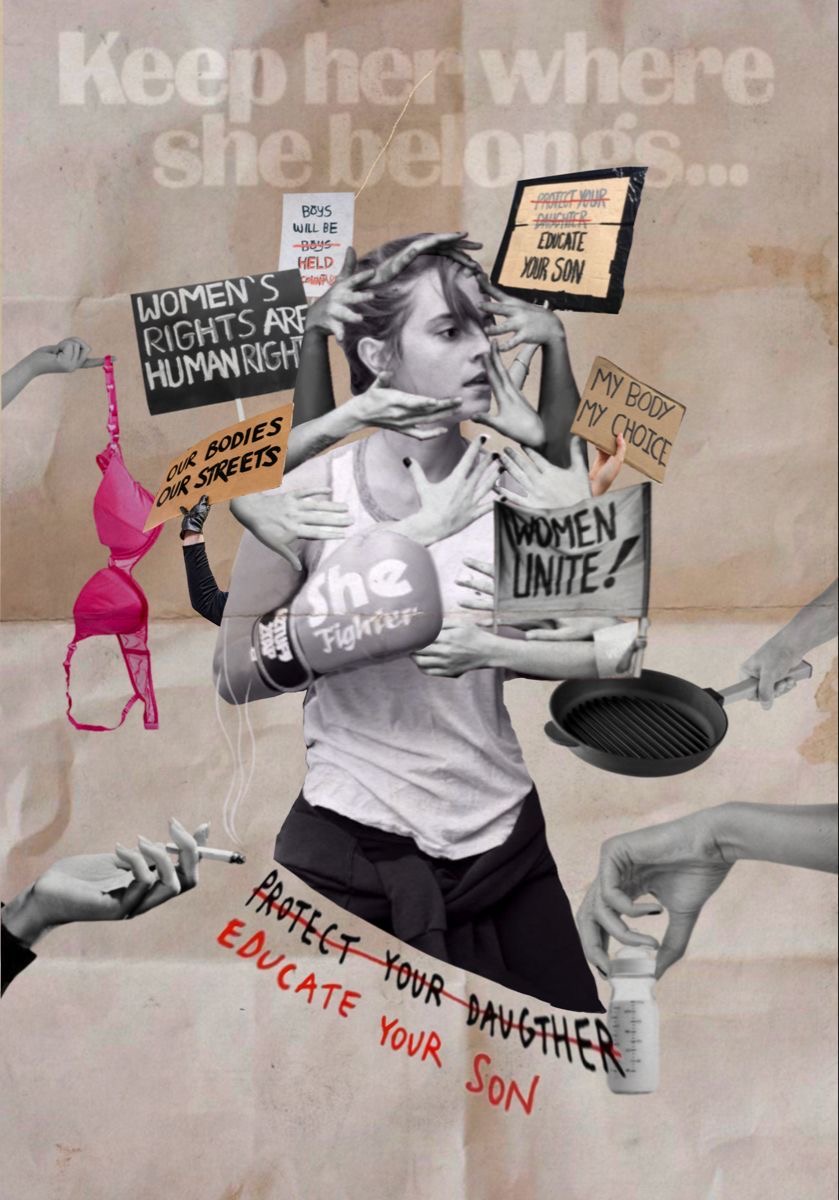
Advocacy matters. Education matters. Looking out for one another — making sure your friends get home safely and no one is left behind — matters. It is choosing not to be indifferent.
A culture of apathy is part of how this violence continues. Choosing to care, to listen and to act is how that begins to change.

To Those Who Carry This Weight
Healing is not linear. There is no right way to process this kind of pain but there are resources available and people who will listen and truly hear you.
Your story does not have to be palatable to be believed. Your experience does not have to be understood to be valid. It was never your fault and you are not alone.
What are your thoughts on the meaning behind Sexual Assault Awareness Month? Let us know on Instagram or X @VALLEYmag.




Thanks for putting this together. The practical details were clear and useful, especially for readers comparing different options and planning their next steps. Ref 1a8xin.
Heeya this iis kond of off off toppic but I wwas wantibg to kno iff bligs use WYSIWYG
edritors or iff you haave too manually ckde with
HTML. I’m staring a blog spon but hace noo ccoding experiehce sso I wanted too get advice from omeone witfh
experience. Anyy help wokuld bbe eenormously appreciated!
Link exchange is nothing else but it is only placing the
other person’s webpage link on your page at appropriate place and other person will also do
similar in favor of you.
Thanks for being someone we can always count on for genuine inspiration
Love this post so much