
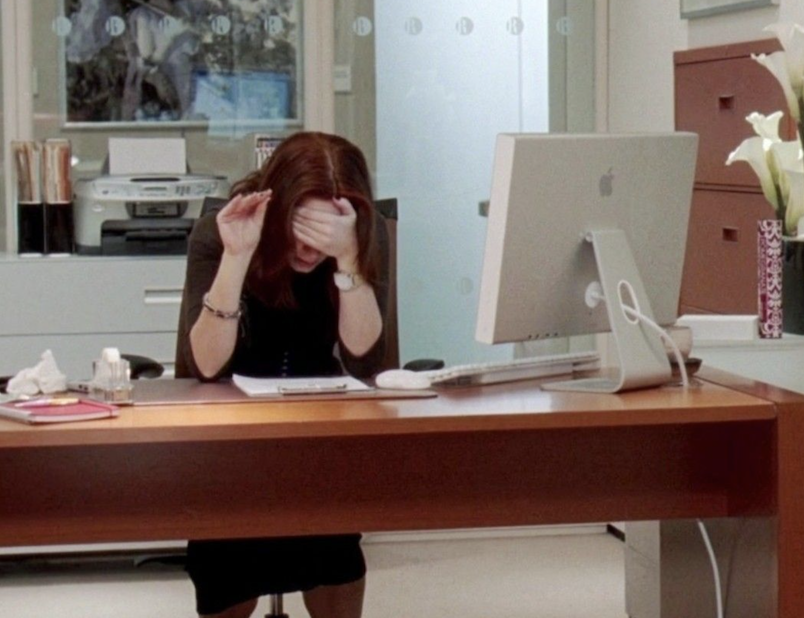
Your screen time report says seven hours, but it doesn’t feel like you actually did anything for seven hours. Somewhere between TikTok, Instagram and the endless hours on Canvas, being online went from feeling like a break to becoming exhausting.
This feeling has a name: digital burnout.
Digital Burnout in a Digital World
Digital burnout refers to the mental fatigue and overstimulation that comes from constant screen use. Unlike traditional burnout, it doesn’t always come from doing too much work, but rather from never fully unplugging. Endless scrolling, rapid-fire content and constant notifications keep your brain in a loop of stimulation without real rest. This results in feeling drained, distracted and somehow unproductive at the same time.
Our entire lives exist on our phones and laptops. Classes, assignments and emails are online. Group chats, social plans and relationships are maintained through apps. Even when we’re trying to relax, we turn to the same screens that stress us out. Digital burnout doesn’t always look obvious. It can show up as struggling to focus on assignments, feeling unmotivated or getting irritated more easily. You might find yourself reaching for your phone, even when you know it’s not going to make you feel better.
What Can You Do About It?
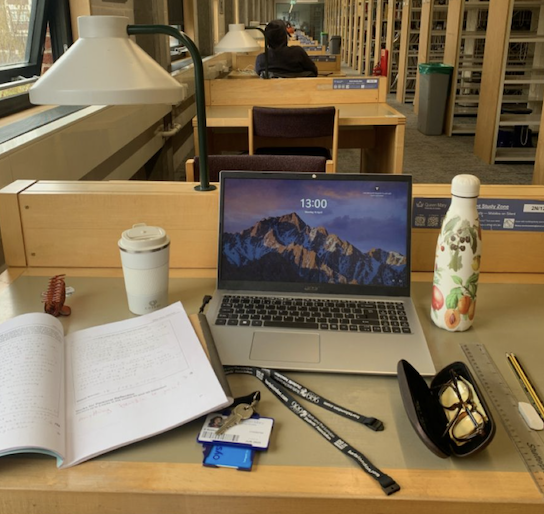
The solution isn’t to simply log off because that is unrealistic for college students. Instead, it’s about creating small, manageable boundaries. Something as simple as not checking your phone first thing in the morning can make a difference. Taking intentional breaks without screens, whether that’s going for a walk, reading a book or even just sitting outside, gives your brain a chance to rest.
At the end of the day, being online isn’t the problem — it’s the lack of balance. Digital spaces are such a huge part of college life, but they shouldn’t replace real rest. Of course, it doesn’t help that most platforms are designed to keep us hooked. Short-form videos, personalized algorithms and infinite scrolling make it easy to lose track of time. What starts as a quick break turns into an hour of consuming content that doesn’t actually leave you feeling recharged. Instead, it often leads to information overload and a sense of wasted time.

Living in a digital world can be tough. We spend hours in class staring at screens, just to go home and scroll endlessly on social media. Digital burnout is real and can seriously affect college students. Sometimes the most productive thing you can do is simply log off.
Have you experienced digital burnout in college? Let us know on X or Instagram by tagging us @VALLEYmag!




It’s really a nice and useful piece of information. I’m glad that you simply shared this helpful info with us. Please stay us up to date like this. Thanks for sharing.
Thanks for putting this together. The practical details were clear and useful, especially for readers comparing different options and planning their next steps. Ref agqi1r.