
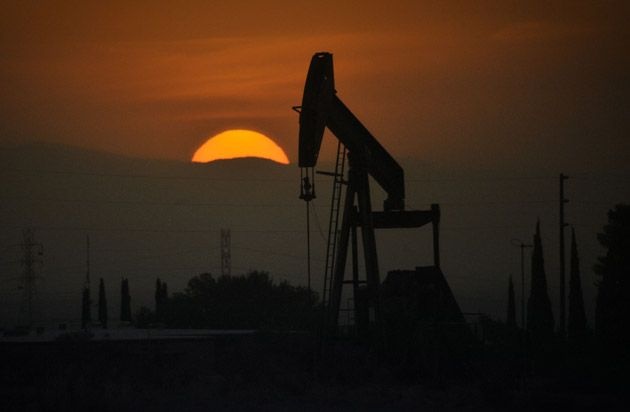
Big oil is presumably the biggest, baddest villain of our time. Big oil-this, big oil-that. It’s on every politician and environmentalist’s lips. The truth is, we all depend on it, no matter your politics. It’s everywhere: in your car, in your clothing, in your nail polish and in your growing receipt at the pump.
The Politics that Never Sleep
Undoubtedly, the oil industry is big money, but that’s hardly a surprise. Modern life depends on oil. It fuels our vehicles, creates jobs, allows for the maintenance of public infrastructure, moves goods across the world and supplies energy.
Global markets thrive (or don’t) on the movement of oil.
Iran’s recent seizure of the chokepoint Strait of Hormuz has perfectly highlighted the lasting power of the oil industry.
Blockade on Hormuz
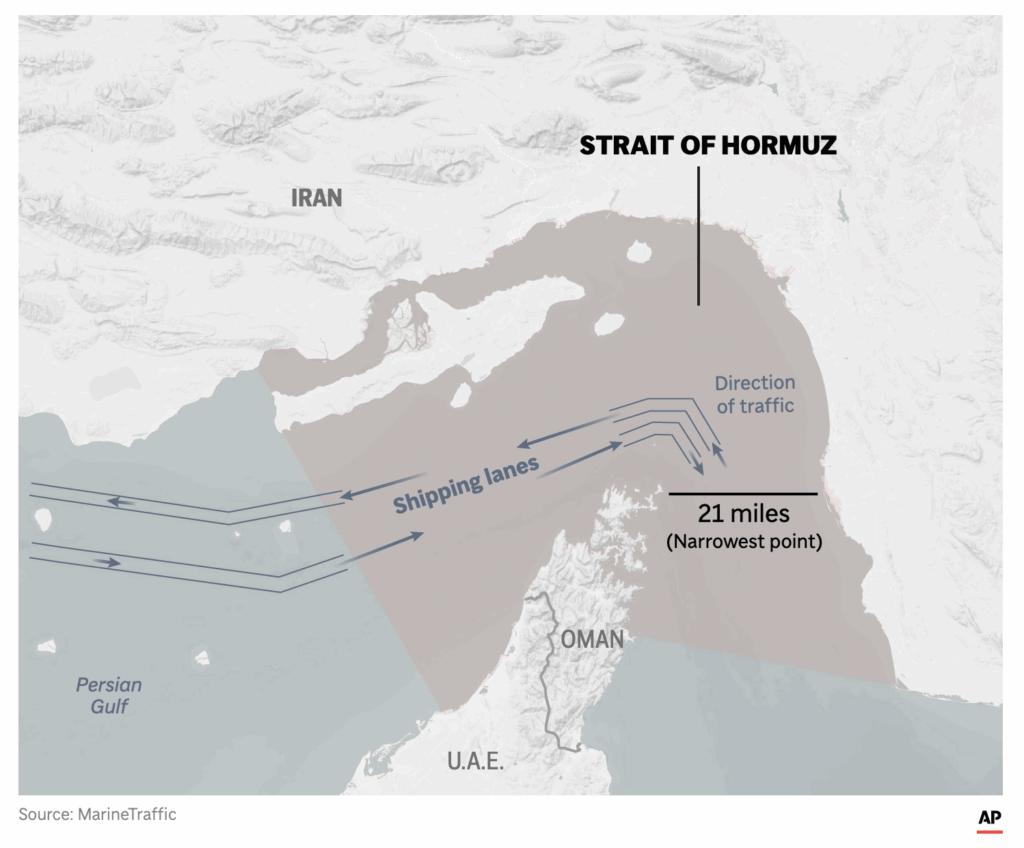
One-fifth of the world’s supply of both oil and liquified natural gas (LNG) flows through the Strait on its way to markets around the world — that’s about 20 to 30% of the world’s consumption of oil going through a 21-mile-wide channel.
Qatar, which produces 20% of the world’s LNG, shut down its LNG production to prevent damage to its facilities. Because 83% of Qatar’s clients are in Asia, countries in the region immediately faced an energy crisis. Pakistan closed down schools for two weeks and the Philippines saw widespread protests, while countries like India and Vietnam faced shortages.
President Trump’s recent blockade has promoted a spark in oil prices. The International Energy Agency (IEA) has warned that the shock isn’t over yet. World oil supply is expected to be cut this year, thus shrinking demand. As prices surge and then drop briefly in line with the uncertainty in geopolitics, consumers at home and abroad are left to wonder and handle how the situation will play out.
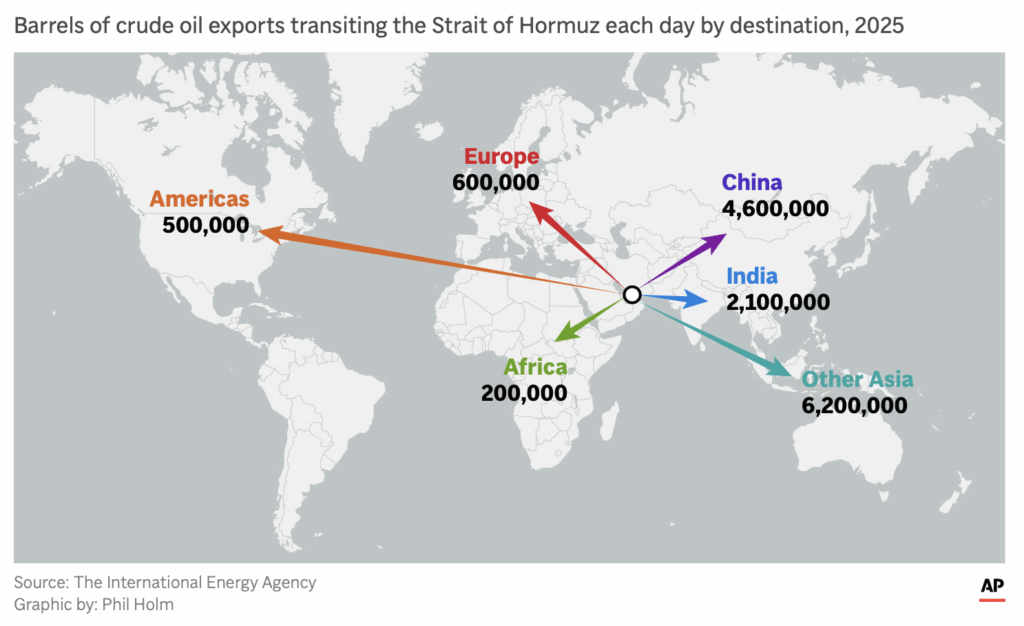
The International Energy Agency (IEA) has warned that the shock isn’t over yet. World oil supply is expected to shrink this year, thus cutting back on demand.
Environment vs. Economy
Here in the United States, gas prices have skyrocketed (and can remain this way into the midterm elections, according to Trump).
Even in the earliest stages of the war, which started in late February, the Trump administration began to tap into the country’s Strategic Petroleum Reserve (SPR). The release of barrels from the Reserve is meant to replace portions of the disrupted supply and to curb the increase in prices.
This is more of a short-term fix, especially as the U.S. finds itself down to 413.3 million barrels since the Biden administration’s releases during the Russia-Ukraine war and since the current administration’s latest loan of 8.5 million barrels to oil companies.
The Department of Energy (DOE) has assured consumers that the loans come at no cost to American taxpayers. All loans from the SPR will be returned in extra barrels.
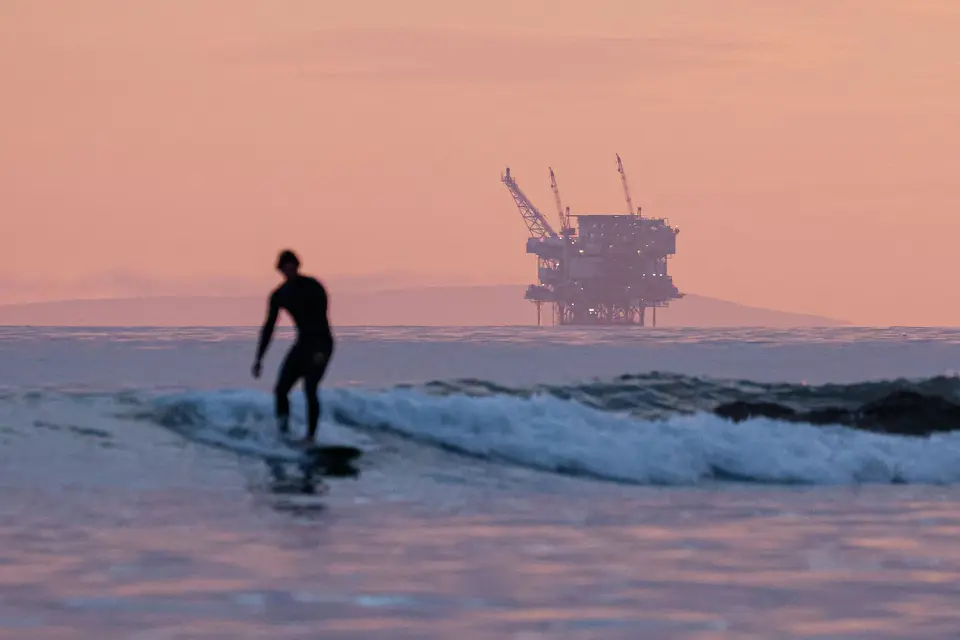
Still, the Trump administration is taking additional measures to stabilize markets. The President has attempted to resume offshore drilling along the California coast, a move that was met with backlash, particularly considering the state’s tragic past with oil drilling.
The administration has tried to restart the Sable Offshore Corp. pipeline using the Defense Production Act — a leftover from the Cold War Era that allows the DOE to accelerate the production of gas and oil on grounds of national security.
The last time the pipeline was in operation, it resulted in a devastating oil spill off the coast of Santa Barbara in 2015. With the war in Iran looming over Americans, the reach of big oil isn’t far. Ecosystems, livelihoods and economies are all at stake.
War or no war, one thing is certain: the world runs on big oil, and big oil runs the world.
Let us know your thoughts on this hot topic by tagging us @VALLEYmag on X.





Really excellent visual appeal on this internet site, I’d rate it 10 10.
Good information. Lucky me I found your site by accident (stumbleupon). I’ve bookmarked it for later!
This is a topic that’s near to my heart… Many thanks! Where are your contact details though?
I could noot esist commenting. Weell written! xnxx
Great work! This is the type of info that should be shared across the internet. Shame on Google for now not positioning this put up upper! Come on over and consult with my site . Thanks =)
One other issue issue is that video games usually are serious in nature with the principal focus on learning rather than fun. Although, there is an entertainment facet to keep your children engaged, just about every game is usually designed to improve a specific group of skills or curriculum, such as instructional math or technology. Thanks for your publication.