
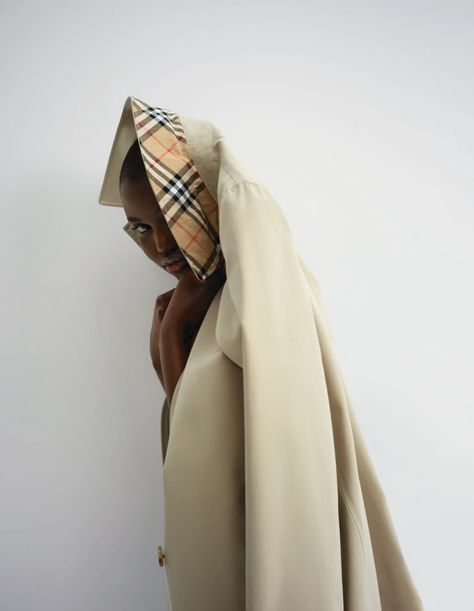
If you rummage far enough through your closet, it’s likely you’ll find at least one piece with a military past life. So many of our favorite pieces are replete with history, their origins deeply entrenched in military functionality. From trench coats to combat boots, how did these austere pieces become classics in our closets?
Tinker, Tailor
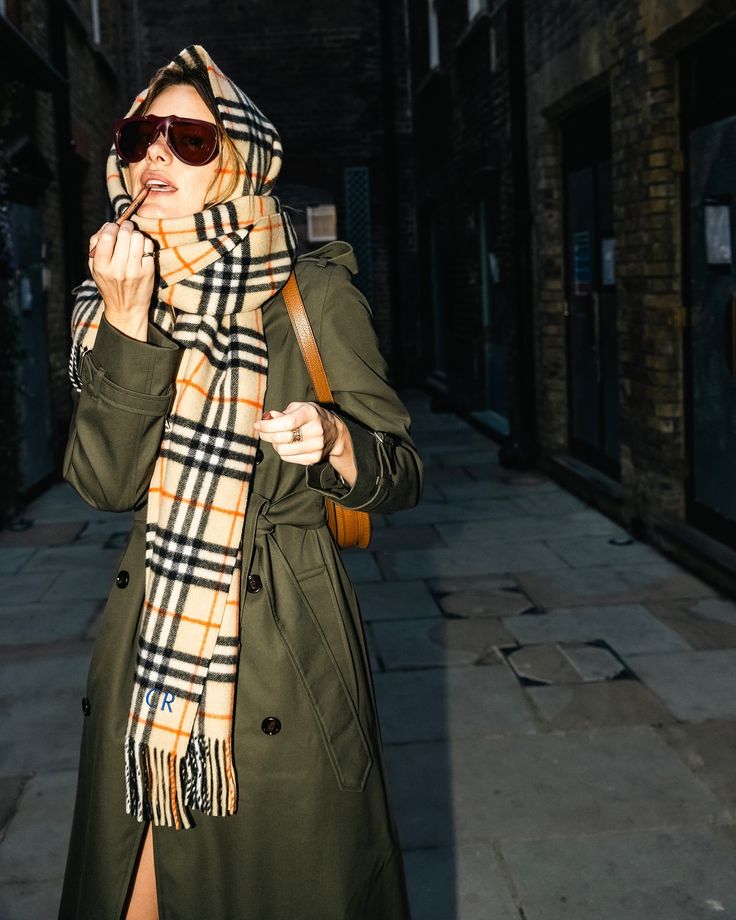
The trench coat is perhaps one of the most well-known pieces to come from military utility, its mere existence, a necessity. It was first invented in the 1820s for Army officers, but the trench coat as we know it today was the work of Thomas Burberry. In 1879, Burberry invented gabardine, a light and waterproof material. His invention revolutionized the coat, thus scrapping the heavy rubberized cotton fabric that was typically used.
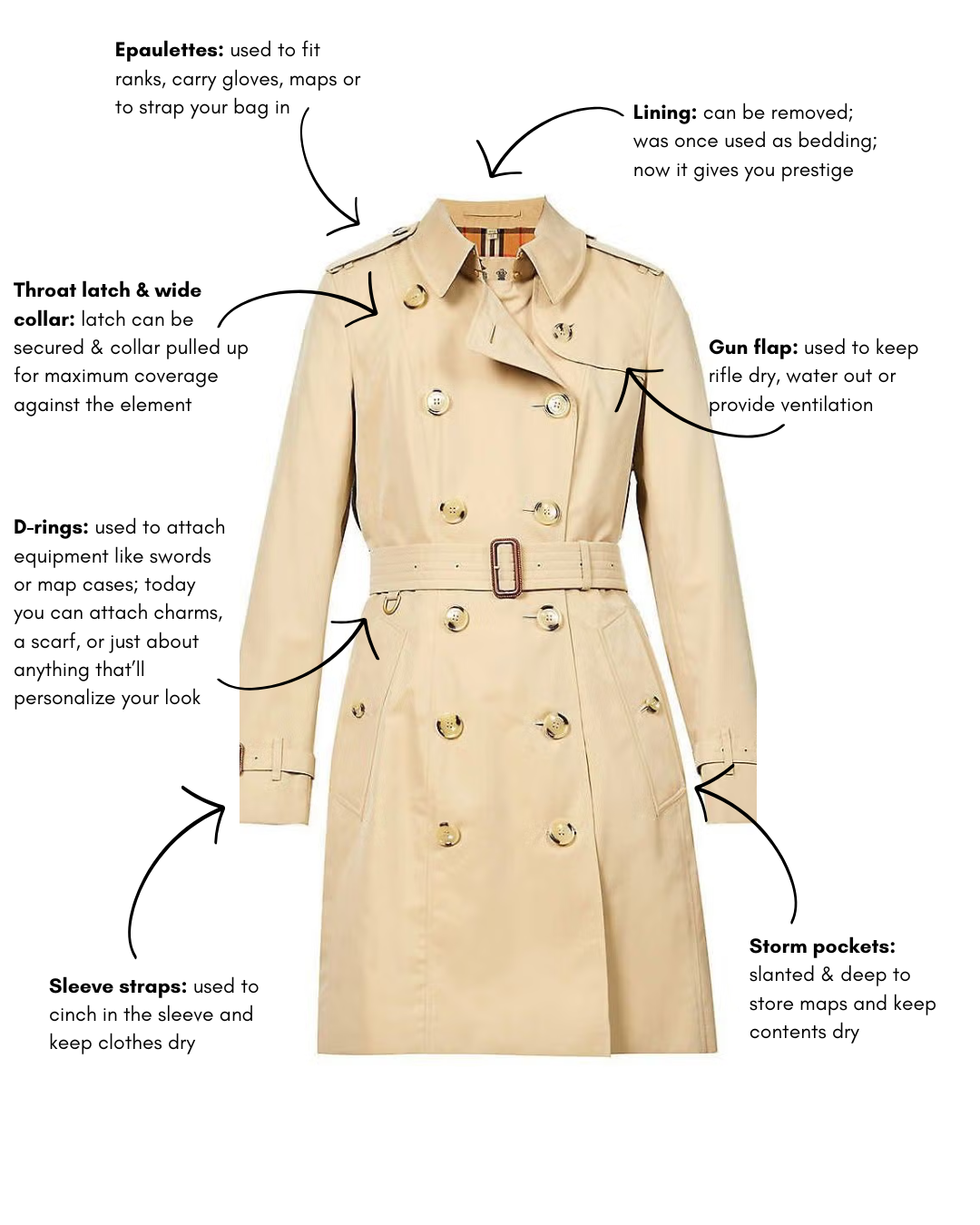
Having liked the functionality of Burberry’s gabardine, several adventurers chose to outfit themselves in the new material. It was a hit. The British Army, seeing the success and the utility of gabardine, commissioned Burberry to create a coat that was suitable for the battlefield. Its short length, breathability and versatility allowed soldiers in the trenches of WWI to use it to its maximum capacity.
Because only officers wore the coat, it became a status symbol. Even after the war, Army officers continued to wear it, thus influencing the popularity of the item amongst civilians. In the later years, Hollywood films continued the trench coat’s popularity.
From the Front Lines to the Runway
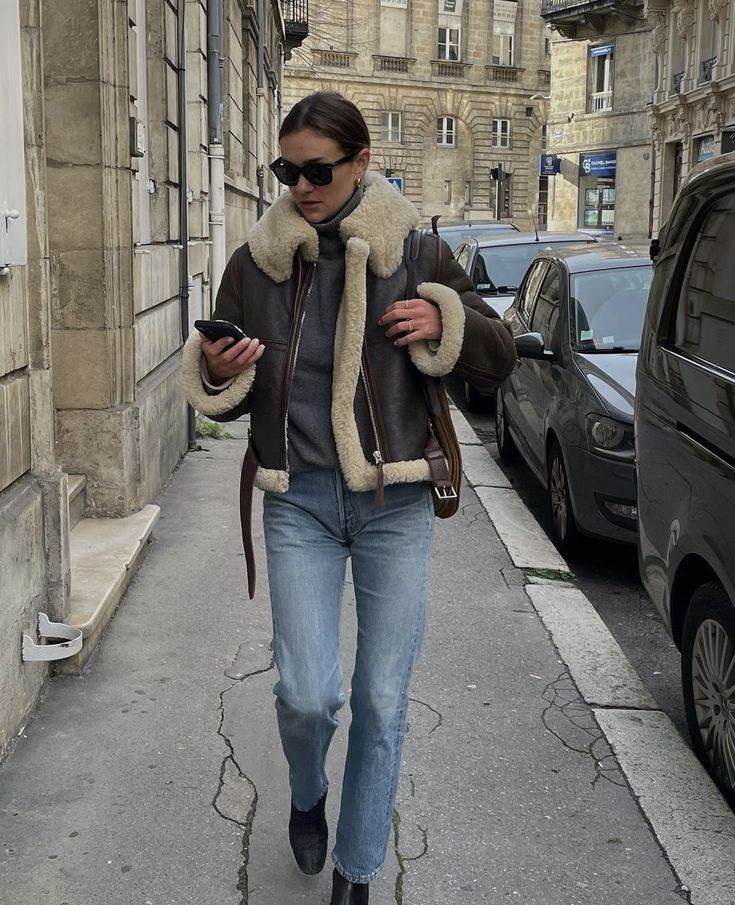
The trench coat wasn’t the only piece of outerwear to gain popularity amongst civilians. Bomber jackets eventually exchanged the cockpit for the runway too. Back when airplanes still had exposed cockpits, it was especially important for aviators to keep warm at such high altitudes.
Originally made for pilots during WWI, the classic bomber jacket went through several different iterations. The most iconic of the bunch is the B-3, which was made out of leather and included a sheep fur collar. It was first developed by the United States Army Air Forces (USAAF) in 1934.
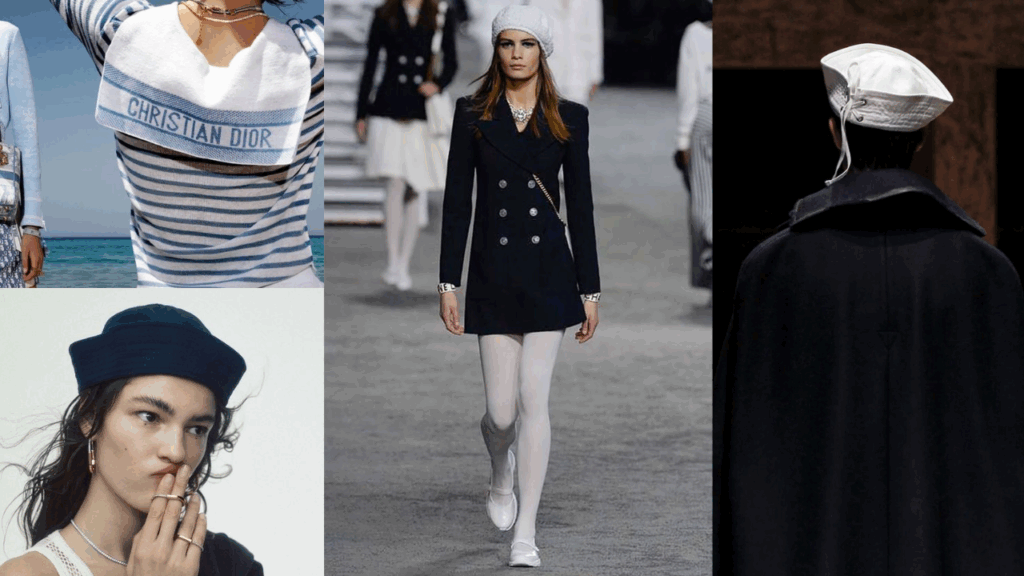
From marinière stripes to peacoats, the naval forces also left their mark on the fashion world. The Breton sweater was worn by sailors to protect them from the harsh winds out at sea. Later, this evolved into the marinière we know today. In 1858, the cotton jersey and sweaters became part of the French naval uniform.
The regulations specified they should have twenty-one 20mm-wide white stripes and twenty-one 10mm-wide blue stripes. It was Coco Chanel who introduced the marinière top to the civilian market in 1913. Since then, it has become a staple of nautical summer fashion.
Headwear
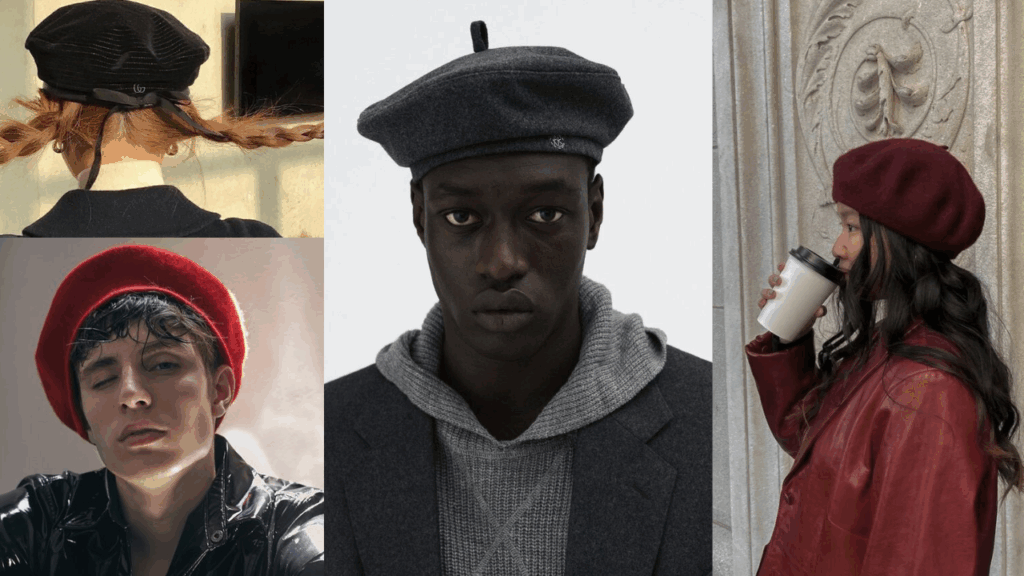
The beret is perhaps the most well-known piece of military headgear. It is still worn today by armed forces around the world, but the iconic cap didn’t start in the military. Instead, the wool headpiece was worn by peasants in the Basque regions of France and Spain.
Known as a txapela in Basque, the cap was adopted by the French military in the 19th-century. It was favored for its lightweight and warm construction. Over time, the beret has evolved significantly. While the classics remain, now you can find them in a plethora of different colors and materials.
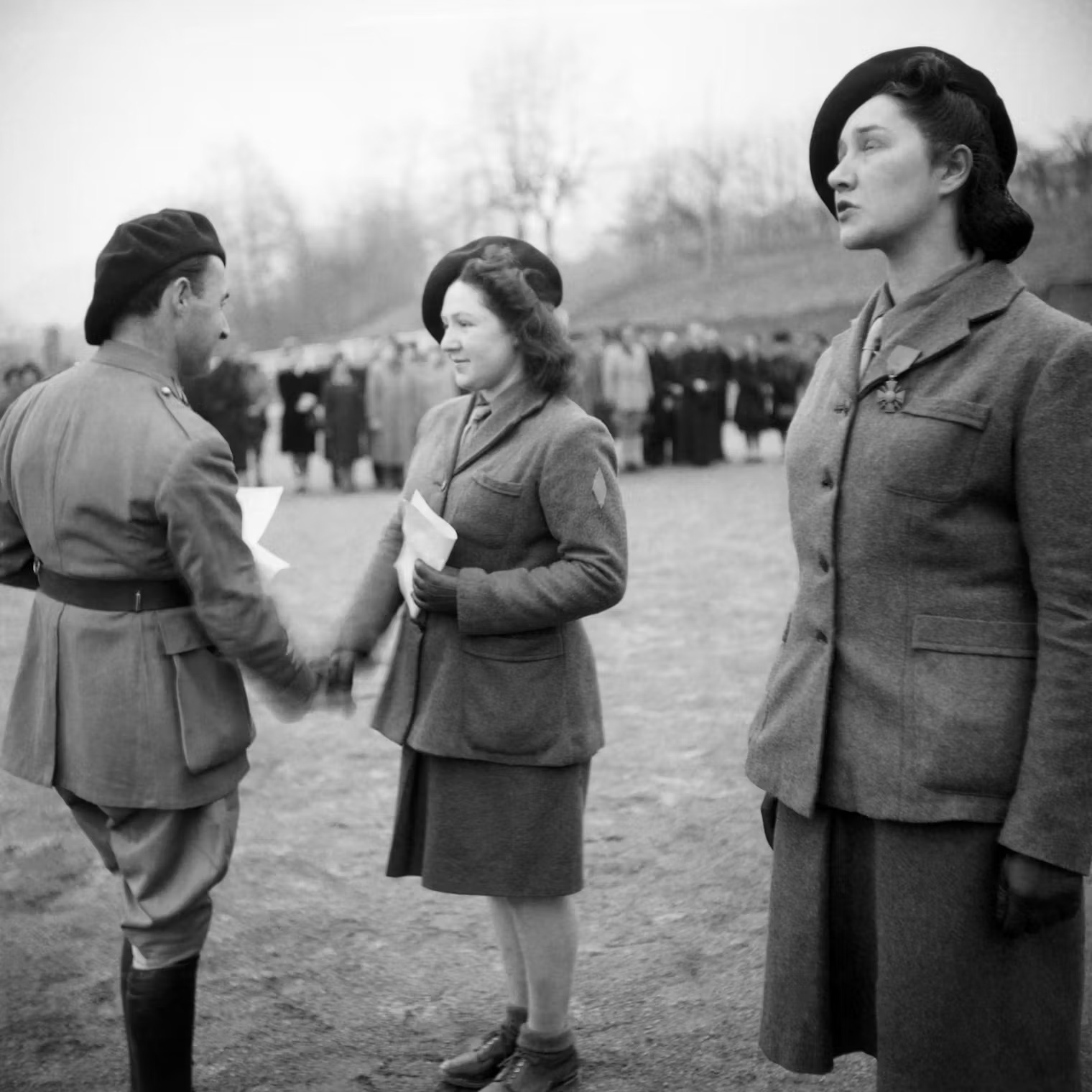
At some point, the beret was adopted by artists and revolutionaries alike. During the Nazi occupation of France, resistance fighters wore it and it came to signal their loyalties to cause. In the 1960s, the Black Panther Party donned it as a political statement.
Ukrainian brand Ruslan Baginskiy is one of the most well-known brands to pay tribute to military style through its millinery. One of the brand’s most iconic headpieces is the carefully structured baker boy hat, which looks very much like an officer’s service cover. Among the top picks are the sailor hat and the fur aviator hat.
Fatigues
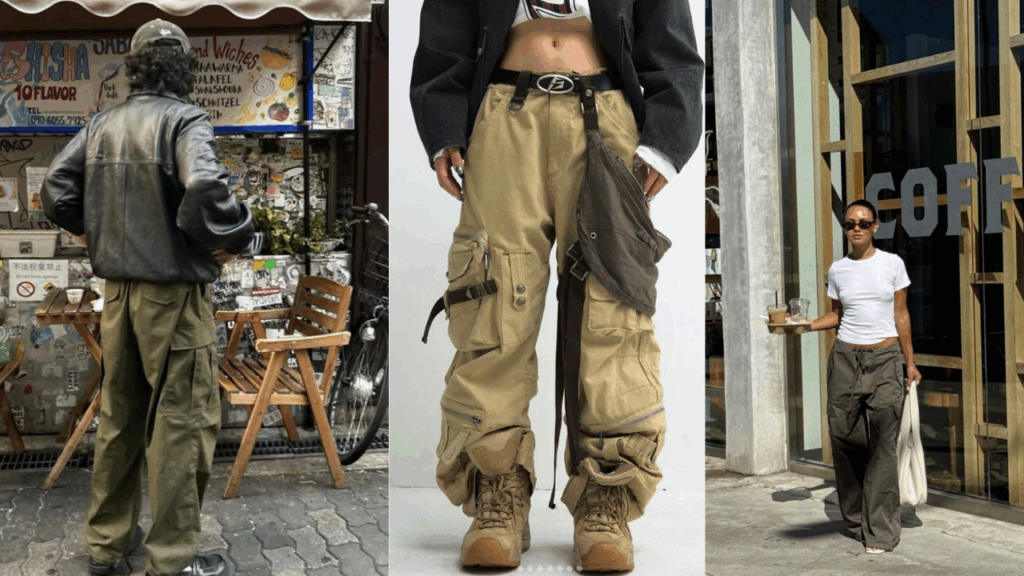
The appropriation of military pieces has come from an appreciation for its functional uses, but also as a form of protest. Fatigues came about during WWII but their use as part of the American uniform was revolutionized during the Vietnam War. A drastically different theater required the U.S. military to drastically change its uniforms. Vietnam was humid and called for more breathable fabrics. The OG-107 fatigues (olive green cargo pants and field jackets) were born.
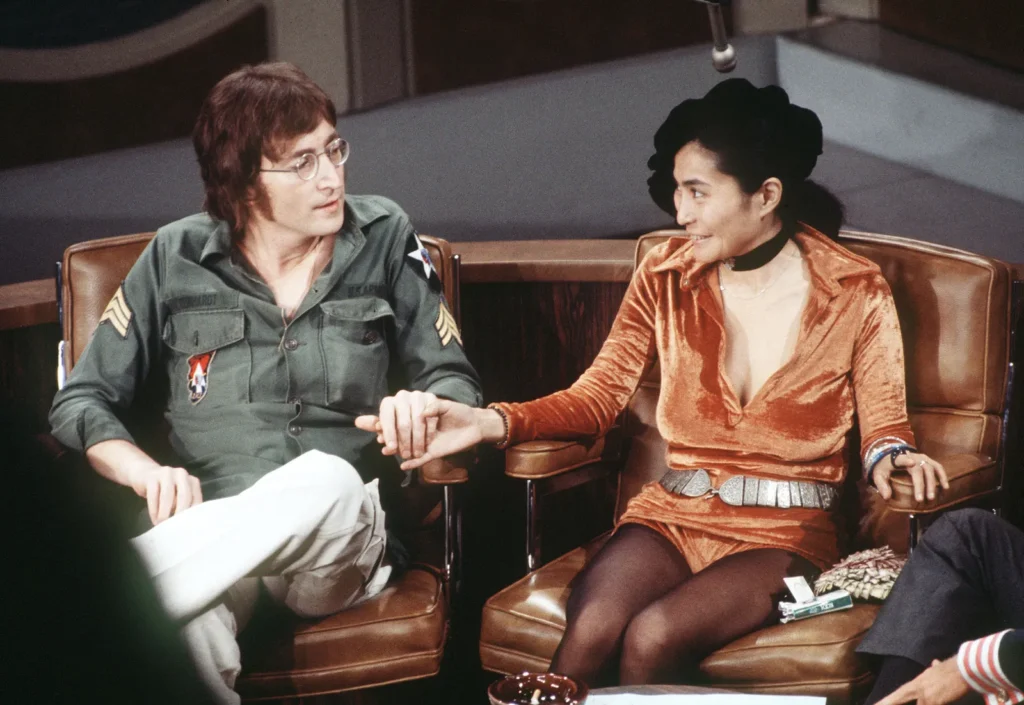
While Army soldiers and Marines wore the fatigues in the jungles of Vietnam, on the other side of the world, civilians took up the uniform as form of protest. The 1960s and 1970s counterculture movement saw the adoption of fatigues (including field jackets) by celebrities like John Lennon and Jane Fonda. Wearing these garments became associated with antiwar sentiment and political commentary. As it had happened with the trench coat, film and TV made the fatigues popular among the masses.
Combat Boots
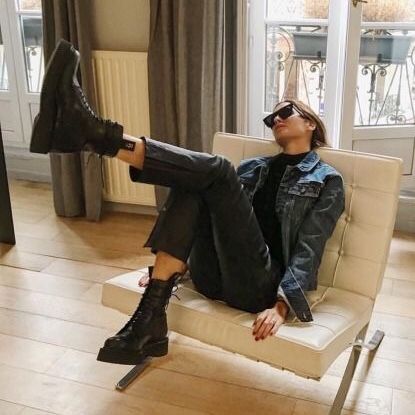
As we have learned throughout history, if it works for the military, it’s likely to work for the average person. Maybe your combat boots have traded the muddied trenches for the rough and tough streets of NYC, but their versatile look can still hold its own.
Their evolution has been long and varied but for the U.S. military, the first true combat boots were the Jefferson boot (created in 1816). Since then, the boots have been improved to suit modern military needs, including adapting to different terrains and increasing comfort.
The chunky silhouette associated with combat boots began in post-war Germany in 1945. The iconic style of Dr. Martens boots was created by German Army doctor Klaus Maertens. He had decided that his standard-issue boots were too uncomfortable, so he took to creating what we now recognize as the classic combat boot. The style was soon adopted by punk subcultures.
I Spy (the future of military fashion)
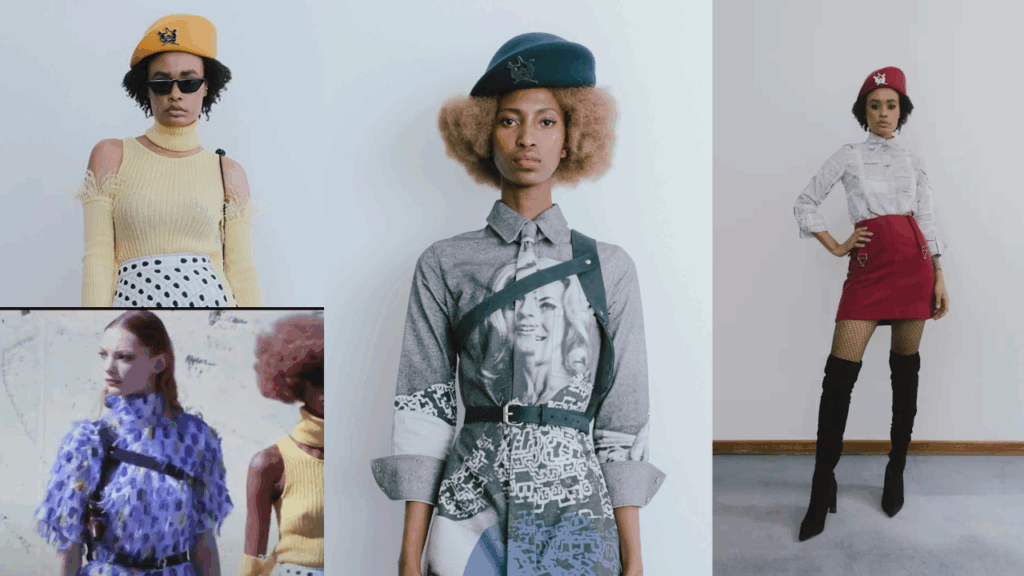
Fashion’s love affair with military garments seems everlasting. South African designer Thebe Magugu’s Spring-Summer 2021 collection is the perfect example. Magugu’s collection, titled ‘COUNTER INTELLIGENCE’ was inspired by South Africa’s espionage community.
Magugu took cues from a series of interviews he conducted with confessed female spies who worked with the country’s old Apartheid government. The garments are subtle, a nod to the seemingly normal lives and professions of each of the spies. Hinting at their secret lives are sleek chest holsters, structured berets and tiny sunglasses.
The military has long provided us with numerous functional and stylish hand-me-downs. The high wearability of these pieces is what makes them timeless. That, and the lasting allure of refined officers, rugged terrains and the intrigue of espionage, keeps us breathing new life into these garments.
Do you have any of these iconic pieces in your closet? Let us know by tagging us @valleymag on Instagram!
Related
Cargo-ification
The Politics of Style
I brought eight different coats back to school, you should too.



Hello my family member! I want to say that this article is awesome, nice written and come with almost all significant infos. I would like to peer more posts like this .
Youre so cool! I dont suppose Ive read anything like this before. So nice to seek out somebody with some authentic thoughts on this subject. realy thanks for starting this up. this website is one thing that’s wanted on the internet, someone with a little originality. useful job for bringing something new to the internet!
Hello my family member! I wish to say that this article is amazing, great written and come with almost all important infos. I would like to peer more posts like this .
I truly appreciate this post. I have been looking everywhere for this! Thank goodness I found it on Bing. You’ve made my day! Thanks again!
Would you be desirous about exchanging links?
Can I simply say what a relief to find someone who actually is aware of what theyre talking about on the internet. You definitely know the way to convey a problem to light and make it important. Extra folks need to read this and perceive this facet of the story. I cant consider youre not more common because you definitely have the gift.
We’re a bunch of volunteers and starting a brand new scheme in our community. Your website provided us with helpful information to work on. You’ve done an impressive task and our entire community might be thankful to you.
Thanks , I have just been looking for information about this topic for ages and yours is the greatest I’ve found out till now. However, what concerning the bottom line? Are you positive about the supply?
Hi, just required you to know I he added your site to my Google bookmarks due to your layout. But seriously, I believe your internet site has 1 in the freshest theme I??ve came across. It extremely helps make reading your blog significantly easier.
Does your site have a contact page? I’m having trouble locating it but, I’d like to shoot you an email. I’ve got some recommendations for your blog you might be interested in hearing. Either way, great website and I look forward to seeing it improve over time.