
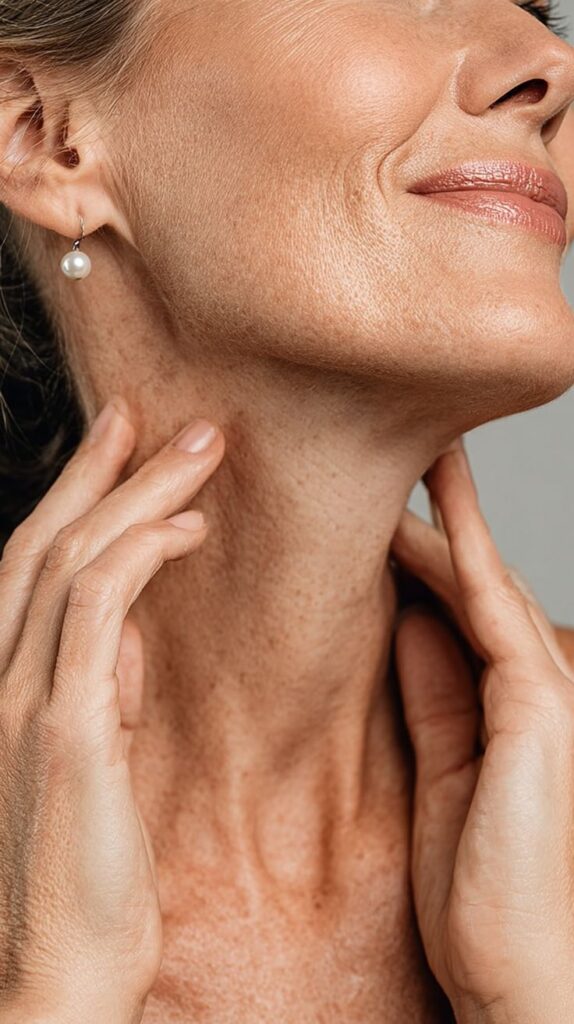
For years, botched celebrity facelifts were the punchline to every joke. Often ridiculed by the tabloids, the overblown and unnatural celebrity facelift symbolized Hollywood’s desperate attempts to stay forever youthful.
However, it seems that the years of mocked makeovers are long gone, as we enter the “undetectable era.”
History of the Face Lifts
Lately, celebrities have been hitting the red carpet with a new, rejuvenated look. Rather than plumping their cheeks with fillers or freezing their forehead with Botox, their skin is effortlessly wrinkle-free and radiant. The force behind this transformation is a breakthrough plastic surgery procedure called the deep-plane facelift.
First created in the 1990s by plastic surgeon Sam Hamra, the deep plane facelift focuses on much deeper layers of skin tissue than a traditional facelift. By cutting into a deeper layer of the skin, the surgeon releases facial ligaments that connect the tissue and the underlying muscle. This allows the surgeon to lift and reposition the skin at an elevated angle. Since the skin remains unified during the entire process, the deep plane face lift preserves blood flow circulation, maintaining a glowing finish.
Stars such as Sia and Marc Jacobs have publicly confirmed that they received deep-plane facelifts. Other celebrities such as Lindsey Lohan, Kris Jenner and Christina Aguilera are rumored to have undergone the surgery as well.

Recovery & Costs
Recovering from a deep-plane facelift only takes about 10 days and its longevity surpasses any prior facelift procedure. Unlike traditional facelifts, which last around 5-7 years, deep plane facelifts can last around 10-15 years.
However, this unmatched longevity comes with a much higher cost. Prices of a deep-plane facelift range from approximately $30,000-$100,000, over double the cost of a traditional facelift.
At first, plastic surgeons were hesitant to perform deep-plane face lifts due to the higher risks, including nerve injury, infection and facial asymmetry. The invasive nature of the surgery requires operating closely with the facial muscles and nerves. This increases the chances of complications.
Aging Skin
Although the deep plane facelift has its share of risks, its popularity has skyrocketed. The waitlists for skilled surgeons continue to lengthen, now reaching about a year. Dubbed the “beautification facelift” by many plastic surgery experts, the deep-plane facelift not only rejuvenates aging skin. It can create features that weren’t prominent before, such as defined angles and more facial proportionality.
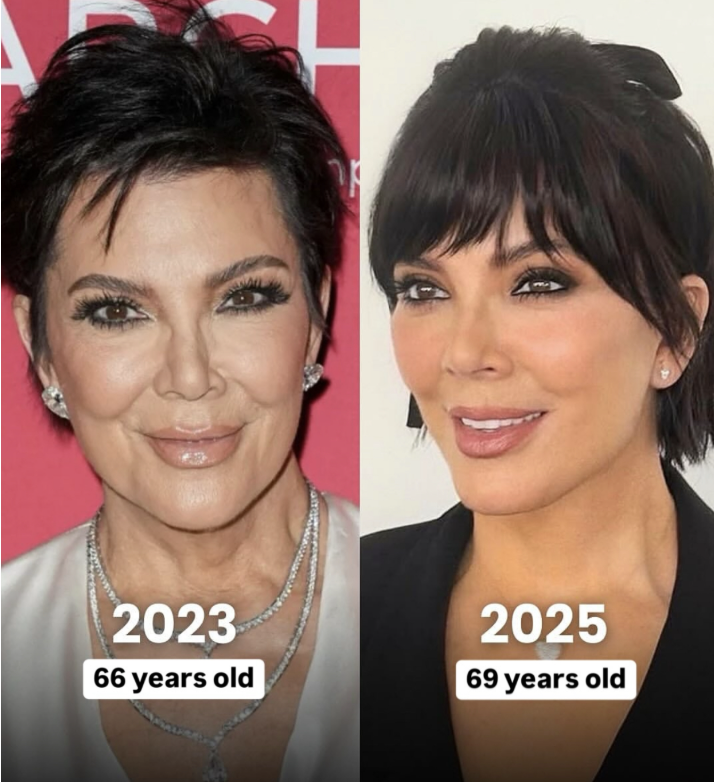
“There’s so much more excitement around the facelift than there was even five years ago…the popularity of the operation has exploded…the facelift, which was once a very private act, is now being celebrated…this idea that I can go and get a facelift and be prettier than I ever was…It’s a total turning point,” said Double board-certified facial plastic surgeon Dr. David Rosenberg
This new excitement is leading younger demographics to go under the knife. For example, according to the American Academy of Facial Plastic and Reconstructive Surgery, approximately ⅓ of facelift patients are between the ages of 35 and 55. Many surgeons believe that younger patients experience more long-lasting outcomes and a quicker recovery.
What do you think of the new facelift hype? Tag us, @VALLEYmag, and let us know!
Related
The Real Plastic Surgery Trap
Navigating the World of Plastic Surgery With Bella Hadid
https://www.valleymagazinepsu.com/pretty-in-plastic-why-we-need-to-stop-shaming-plastic-surgery/




Thanks for the sensible critique. Me and my neighbor were just preparing to do some research on this. We got a grab a book from our area library but I think I learned more clear from this post. I am very glad to see such magnificent information being shared freely out there.
Hello! Quick question that’s entirely off topic. Do you know how to make your site mobile friendly? My blog looks weird when browsing from my iphone4. I’m trying to find a theme or plugin that might be able to resolve this problem. If you have any recommendations, please share. Cheers!
Hmm it seems like your website ate my first comment (it was extremely long) so I guess I’ll just sum it up what I had written and say, I’m thoroughly enjoying your blog. I too am an aspiring blog blogger but I’m still new to everything. Do you have any helpful hints for inexperienced blog writers? I’d definitely appreciate it.
Wow, amazing blog layout! How lengthy have you ever been blogging for? you made running a blog look easy. The whole look of your website is wonderful, let alone the content material!
I am constantly looking online for tips that can benefit me. Thx!
wonderful issues altogether, you just won a new reader. What may you suggest in regards to your publish that you made a few days ago? Any positive?