

Before the evolution of the internet, we used to turn to journals and diaries to reveal our innermost thoughts. Whether it was recounting a bad day or a crazy story, getting our thoughts down on the page was a safe and judgment-free way of processing life. Even if it was just typing out a few sentences on the notes app, sometimes just dedicating a few minutes was enough to feel better and move on.
However, the art of “journaling” has transitioned from simply writing stories in a diary to a culture of “wellness” on social media. If you search the word on TikTok, you’ll find plenty of videos talking about being grateful and journaling every day for mental health purposes. This trend isn’t a bad thing by any means, but it has made the practice of journaling less personal and more performative — if you journal, you’re presenting that you’re “put together.” But does it actually make you feel better to write down prompts that everyone else is using?

Writing in journals and diaries is not what it used to be, so where should we turn to get down the thoughts that are pestering us? Another thing journals don’t have is a comment section — and as humans, we want to feel less alone in our problems. That has resulted in a serious oversharing epidemic. Boundaries have become a thing of the past as many users use TikTok and Instagram posts as an outlet to share sad thoughts and deeply personal stories, which has caused some commenters to ask: “Did the journal factory explode?” Is it normal and/or helpful to give millions of people insight into our darkest thoughts? Is it safe?
On one hand, we need to share parts of ourselves to connect with others. It also might be increasingly difficult to decipher what could be considered oversharing versus just sharing. One post about what you ate for breakfast could turn into a post about your worst breakup story, and it just keeps spiraling from there. A study from The Guardian found that “teens who shared a lot online had higher levels of anxiety and attention-seeking tendencies.” Clearly, there is a point where sharing on the internet is no longer productive or positive, and it can actually be detrimental to one’s mental health.
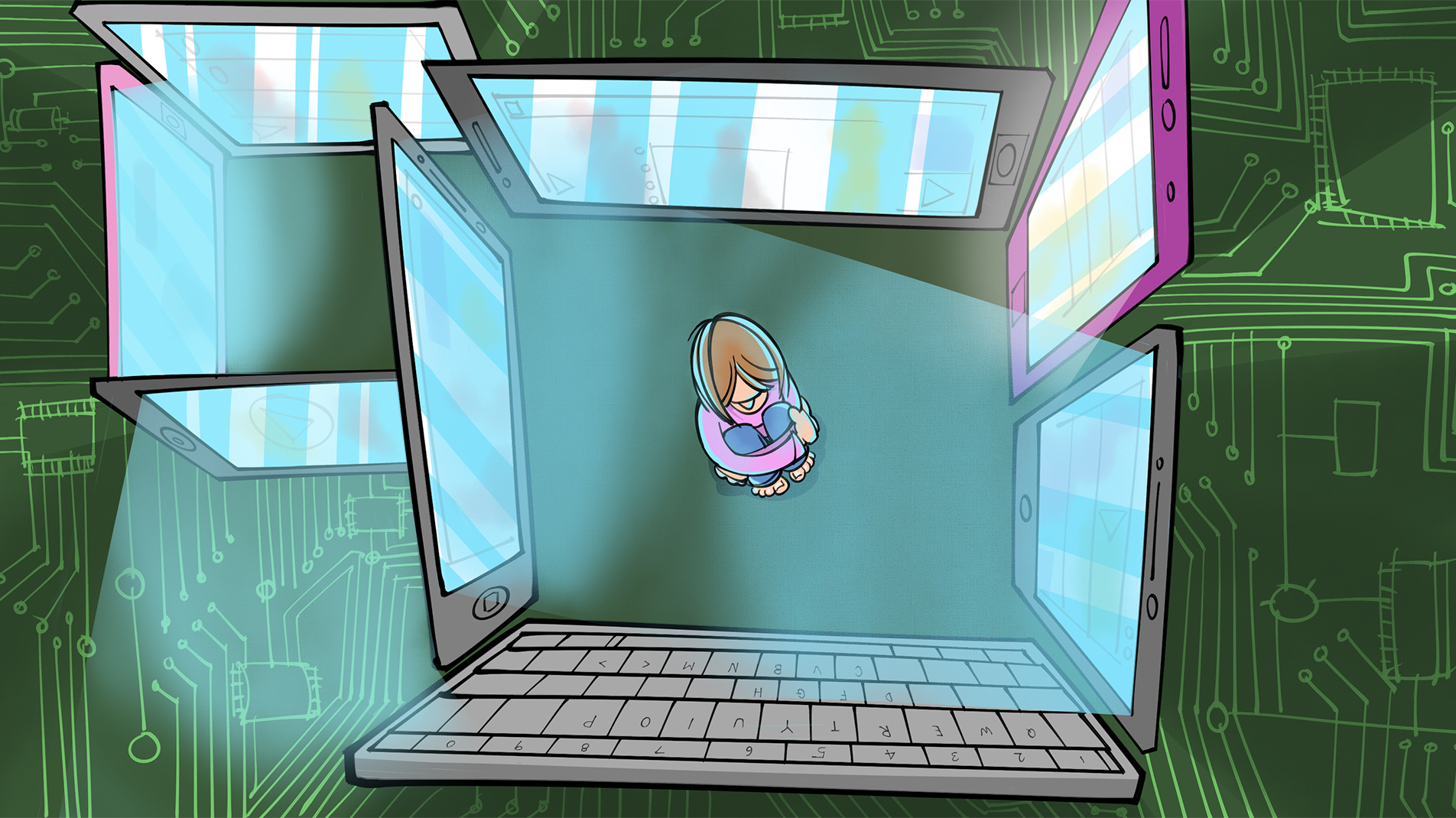
Oversharing also comes in many forms, like “sadfishing” or trauma dumping with the goal of seeking sympathy. This kind of posting could trigger negative emotions in other viewers who might have experienced the same trauma, and could also invite backlash or cyberbullying onto the creator themselves. It also deepens the addictive tendencies some might have to constantly post a video whenever something happens to them. We already know how detrimental constant internet use is for our brains and mental health, but the more we post, the further we fall into the rabbit hole. Now we are bringing thousands or possibly millions of strangers to experience our most personal feelings.
Like anything, sharing on the internet is good in moderation. You can make people laugh with a funny story-time or bring awareness to an issue that isn’t talked about enough, but it’s important to draw a personal line before you start to unpack serious trauma to an unknown audience. Instead, talk to your roommates, call someone close to you, or pick up that old journal and scribble down some thoughts. It doesn’t have to be picture perfect or “aesthetic,” it just has to make sense to you.
Do you think oversharing is harmless or harmful? Let us know by tagging us @VALLEYMag on X!




you’re really a good webmaster. The web site loading speed is amazing. It seems that you are doing any unique trick. Furthermore, The contents are masterpiece. you’ve done a fantastic job on this topic!
Thank you, I have just been looking for information approximately this subject for a while and yours is the greatest I have discovered so far. However, what about the bottom line? Are you certain about the supply?
I’d need to verify with you here. Which is not one thing I normally do! I get pleasure from reading a post that will make people think. Additionally, thanks for permitting me to remark!
Terrific paintings! This is the type of information that should be shared around the internet. Shame on Google for no longer positioning this post upper! Come on over and visit my site . Thank you =)
One of the better posts I’ve read on this subject lately. Straightforward, well-sourced, and genuinely useful.
I like this post, enjoyed this one thank you for posting. “I never let schooling interfere with my education.” by Mark Twain.