
Nowadays, there are hundreds of ways society is trying to get tan and darken their skin. From tracking the UV on our weather apps in the summer to utilizing indoor tanning salons during the winter, it has become a mission to chase UV rays to get the ultimate tan. For those who choose to stray away from UV exposure, the fake tan business has been booming now more than ever. Spray tans, at-home foam tanning mixtures and facial tan mists are all common ways to get a topical tan these days. Some even go as far as injecting peptides like Melanotan 1 and Melanotan 2 for a sleek tan look without exposure to the sun.
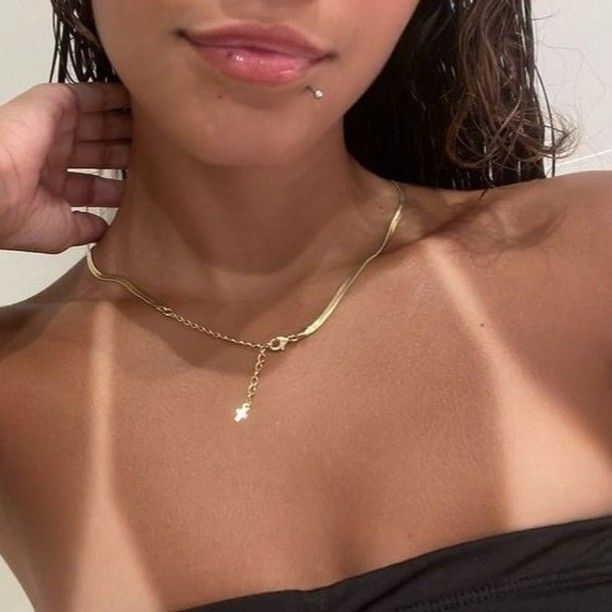
For the most part, we are all guilty of this. We look back at photos with our tan skin and complain about our “winter uglies” and how we can’t wait to look that tan again. Why is that? While society today connotes tan skin with adhering to the beauty standard, decades past praised pale skin, and in fact, even frowned upon a tanner complexion.
Ancient societies
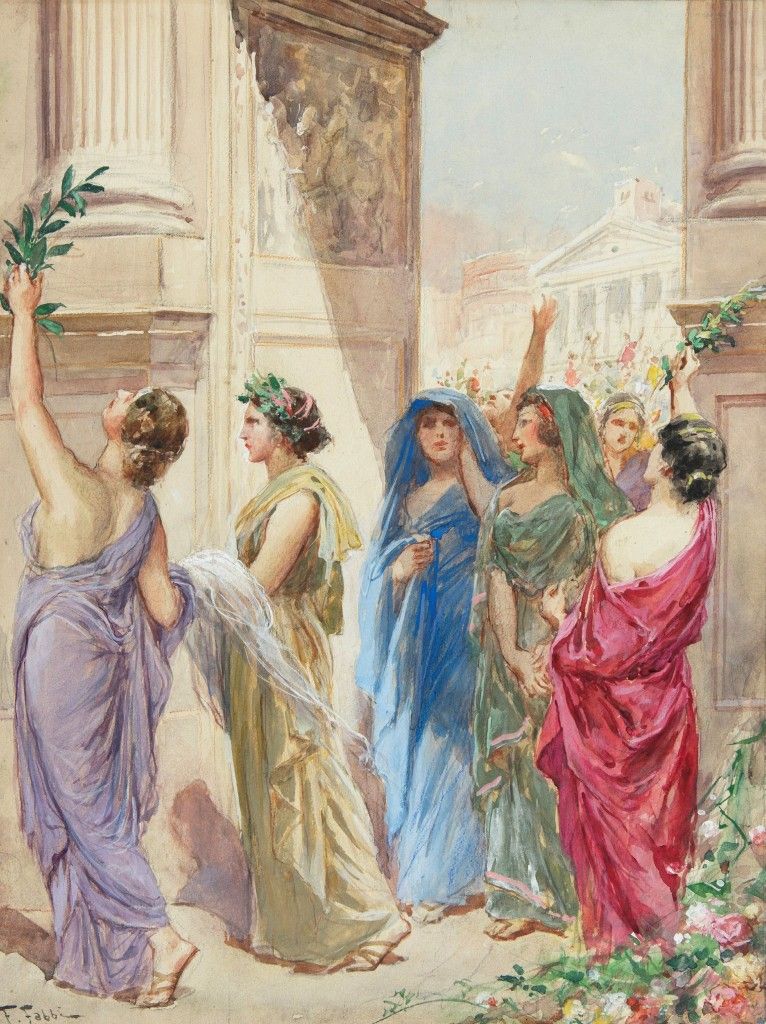
In ancient societies, specifically ancient Roman, Egyptian and Greek cultures, being fair-skinned was seen as a sign of wealth and class. In order to achieve tan skin, it was implied that one was exposed to the sun from daily outdoor labor or work. Because of this, those with paler skin were seen as wealthy and exempt from work. Pale skin on a person suggested they had more leisure time and overall free choice. Many ancient families that held status would wear visors, veils or umbrellas to cover their fair skin from sun exposure. In more extreme cases, some would apply white powders to their body to achieve a more pale skin tone.
Pre-20th Century
Through the Victorian era, the obsession with pale skin continued. There were social expectations for women to stay indoors, rumors about the extreme damage of UV rays and fashion trends that did their best to cover women’s skin. The start of the industrial revolution also reemphasized the idea of the outdoors association to labor or hard work.
The Turning Point
The 20th century was the turning point for the beauty standard of tan skin. After the world wars, there was more time for outdoor leisure, leading to more overall sun exposure. There was more media and marketing that emphasized beach vacations, bronzed skin and glows from the sun. In fact, in the early 1920s, Coco Chanel came back from a beach vacation with a more tan complexion. This raised comments and concerns since tan skin was considered a negative attribute, but Coco Chanel embraced the look and stood as a role model to follow for tan skin.
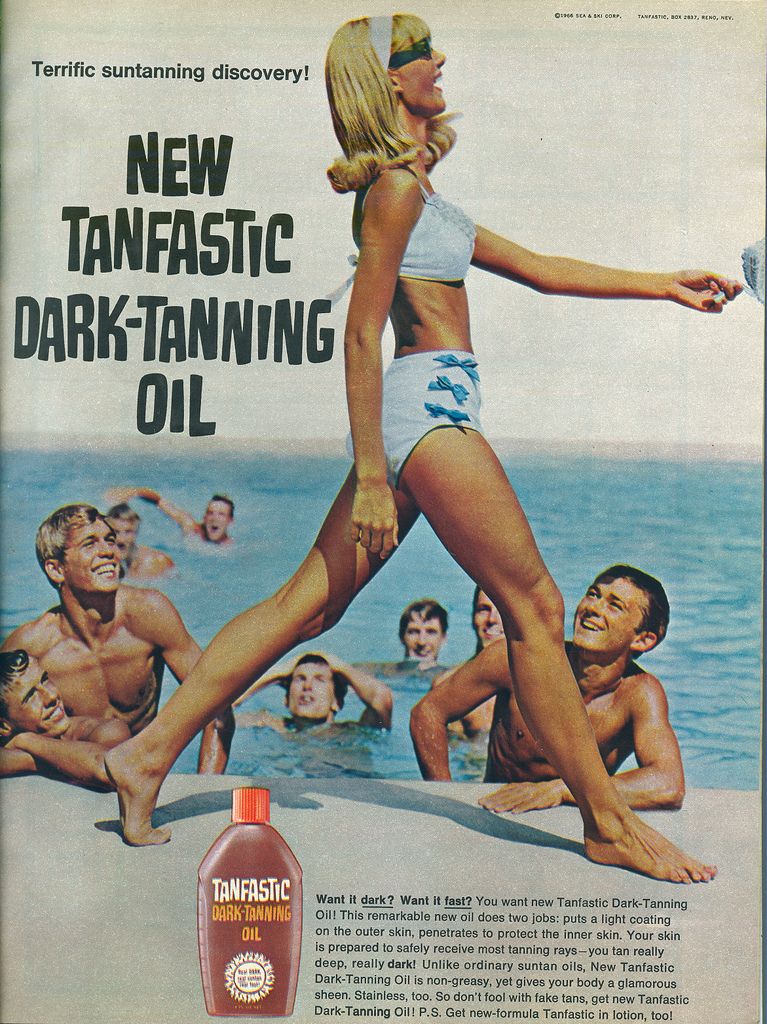
So, the next time you reach for your next bottle of self-tan or wait in line for a tanning bed at the downtown Planet Fitness, think about the history and evolution of tanning culture.
What do you think? Let us know @VALLEYmag on Instagram!




I like this website so much, saved to my bookmarks.
Super-Duper site! I am loving it!! Will come back again. I am taking your feeds also.
I’ve been absent for a while, but now I remember why I used to love this blog. Thank you, I will try and check back more often. How frequently you update your website?
There is noticeably a bundle to find out about this. I assume you made certain good points in features also.
Great write-up, I am normal visitor of one’s site, maintain up the excellent operate, and It is going to be a regular visitor for a lengthy time.
Nice post. I used to be checking constantly this weblog and I am inspired! Extremely helpful info specifically the ultimate phase 🙂 I take care of such info much. I was seeking this certain information for a long time. Thank you and best of luck.
Thanks a lot for sharing this with all of us you really know what you are talking about! Bookmarked. Kindly also visit my website =). We could have a link exchange contract between us!
Its great as your other posts : D, thanks for putting up. “Before borrowing money from a friend it’s best to decide which you need most.” by Joe Moore.
With havin so much written content do you ever run into any issues of plagorism or copyright violation? My site has a lot of exclusive content I’ve either written myself or outsourced but it seems a lot of it is popping it up all over the internet without my permission. Do you know any solutions to help protect against content from being stolen? I’d genuinely appreciate it.
Hello! I could have sworn I’ve been to this blog before but after browsing through some of the post I realized it’s new to me. Anyways, I’m definitely happy I found it and I’ll be book-marking and checking back frequently!