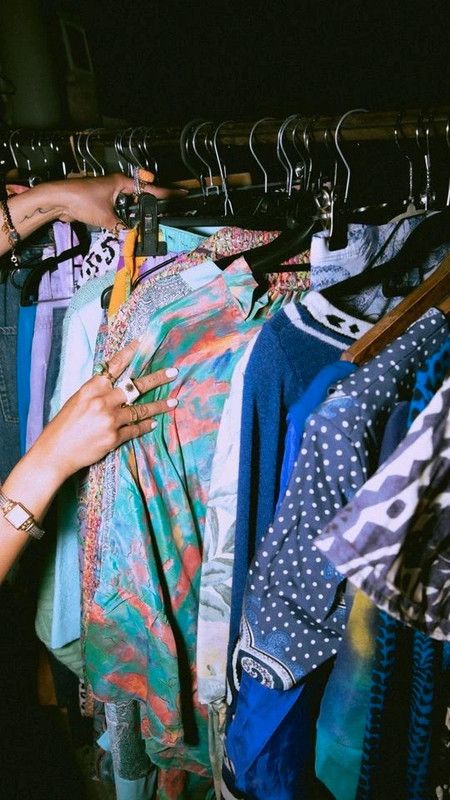
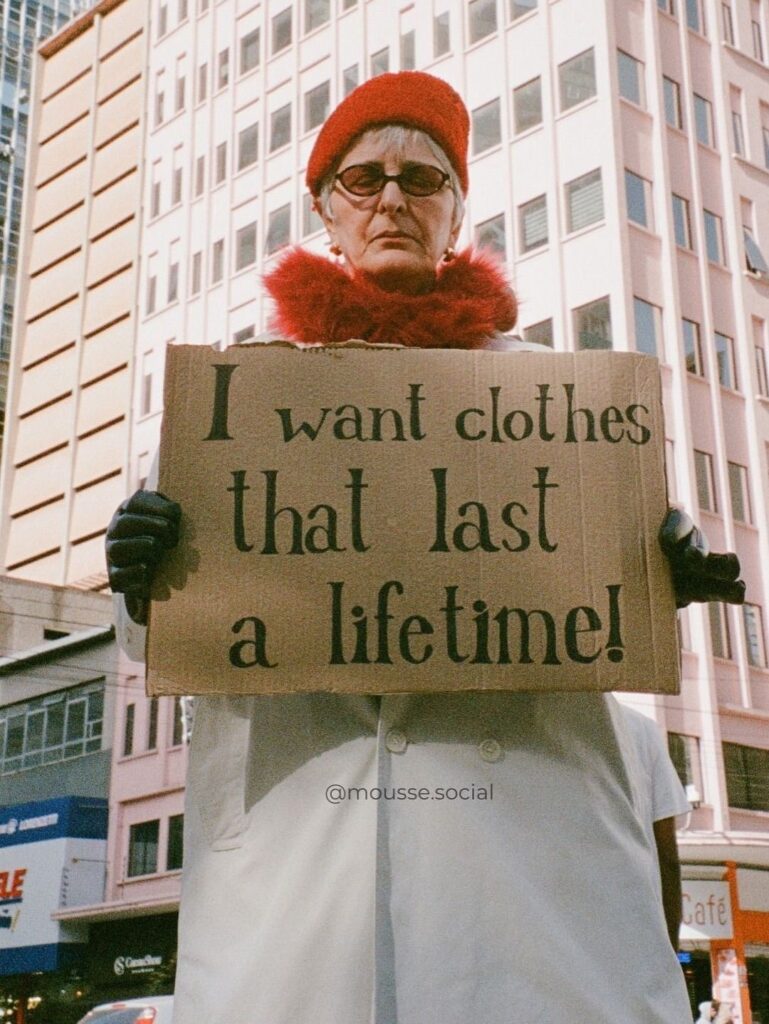
There is a cultural obsession with the new. From the latest phones to designer fashion drops, we often tie newness with value. In contrast, anything pre-owned, especially clothing, can be seen as worn out or even dirty. Where does this stigma come from, and why has shopping secondhand been shamed? The answer lies in things from product marketing to class dynamics. These ideals are not only dangerous to us as consumers but to our community as well, and it is time to challenge these assumptions.
Marketing Misconceptions
Before the rise of fast fashion, secondhand clothing was normal. Not just in thrift stores but from family to family. As someone grew out of a piece, it went to the next person to give it love. Wardrobes were smaller yet more practical. Items were built to last and return season after season. Now, it’s a miracle if they are even trendy a month later.
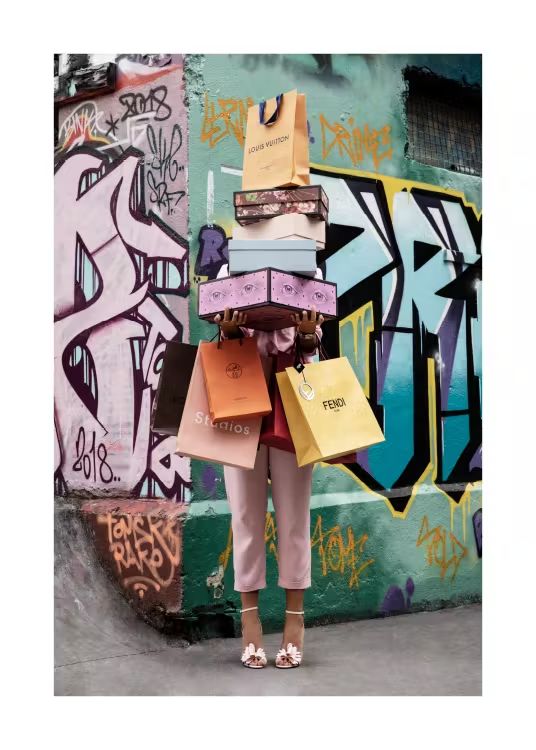
Most of this idea surrounding how new is better can be directly tied to marketing. As inventory grew and prices dropped, buying new clothes wasn’t just another purchase; it directly reflected status or success. Everyone wanted the hottest, most popular items, something that you couldn’t find secondhand. It is an unseen social pressure, and over time, not owning the latest trends came to be associated with being out of touch, or even worse, poor.
As a result, secondhand clothing was not just outdated, but came with the shame of not buying new. The connection that thrifting is associated with the lower class only further pushes the stigma. It became gross and unappealing, not just the clothes but the customers, too. These opinions were passed on instead of hand-me-downs, trickling down to the current day.
Expressing The Self
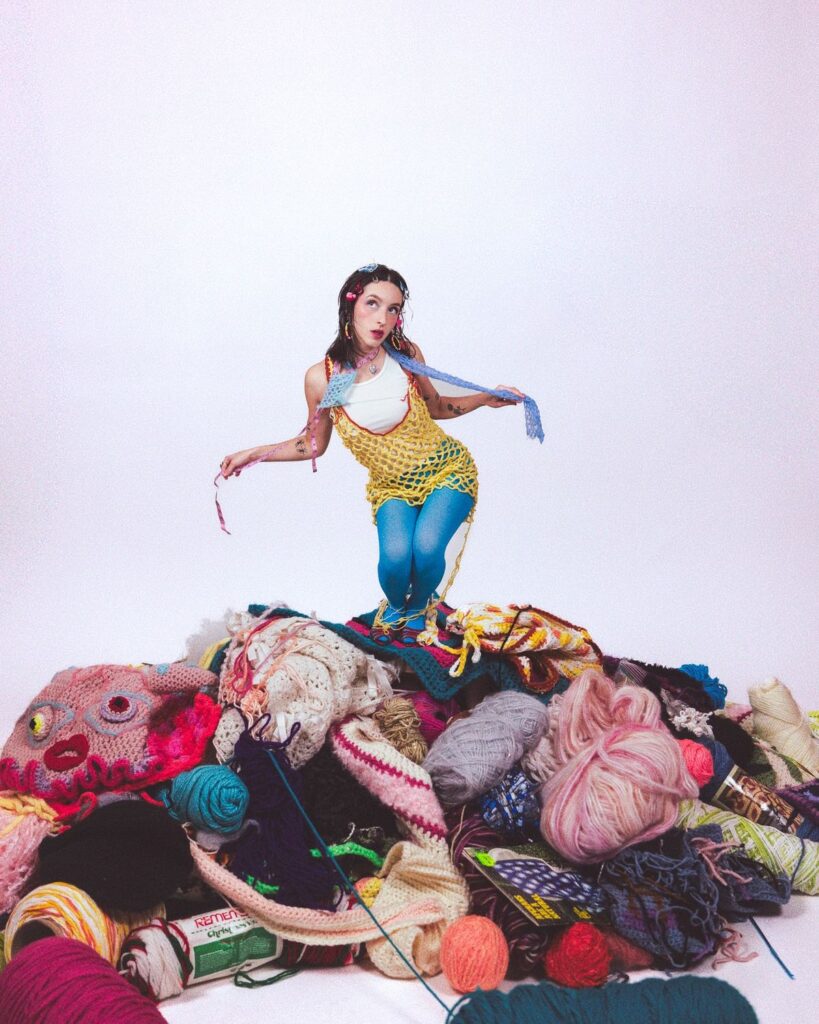
What we wear is often tied to our identity; it is an outward expression of who we are. While secondhand clothes can look just the same as something straight off the rack, those thoughts remain: “What if someone notices this is used. What would they think of me?” These what-ifs are someone’s reality. Children wearing thrifted items might be bullied in school, and adults may feel pressure to hide where they shop. It is no longer just the clothes but the person wearing them.
Just as society made these ideas, it can destroy them as well. Social media and sustainability have brought thrifting back into popularity. While the rise of fast fashion has fueled this need for new, its environmental impacts have faced heavy backlash. Social media has praised thrifting for its affordable prices while reducing our environmental impact.
This has boosted thrifting, especially among the middle and upper classes’ young people seeking something that firsthand just doesn’t offer. Each experience is new, and you never know what you will find. From vintage designer to timeless pieces, there is something special about how unique each piece is, and how it is one of one on the rack.
It was never about the clothes; it was the image associated with who was wearing them. It is time to unlearn the mindset that new is worth more and grow more open to secondhand. In a world dying from fast fashion and disposable trends, wearing “used” does not mean you are worth any less. Every used item has a past life. Don’t let it end in a landfill; add your story to it instead.
Piece together your favorite thrifted outfits and show off your style for VALLEY fit check Friday @VALLEYmag on Instagram!



Wonderful blog! I found it while browsing on Yahoo News. Do you have any suggestions on how to get listed in Yahoo News? I’ve been trying for a while but I never seem to get there! Many thanks
You need to take part in a contest for top-of-the-line blogs on the web. I will advocate this site!
Good info. Lucky me I reach on your website by accident, I bookmarked it.