
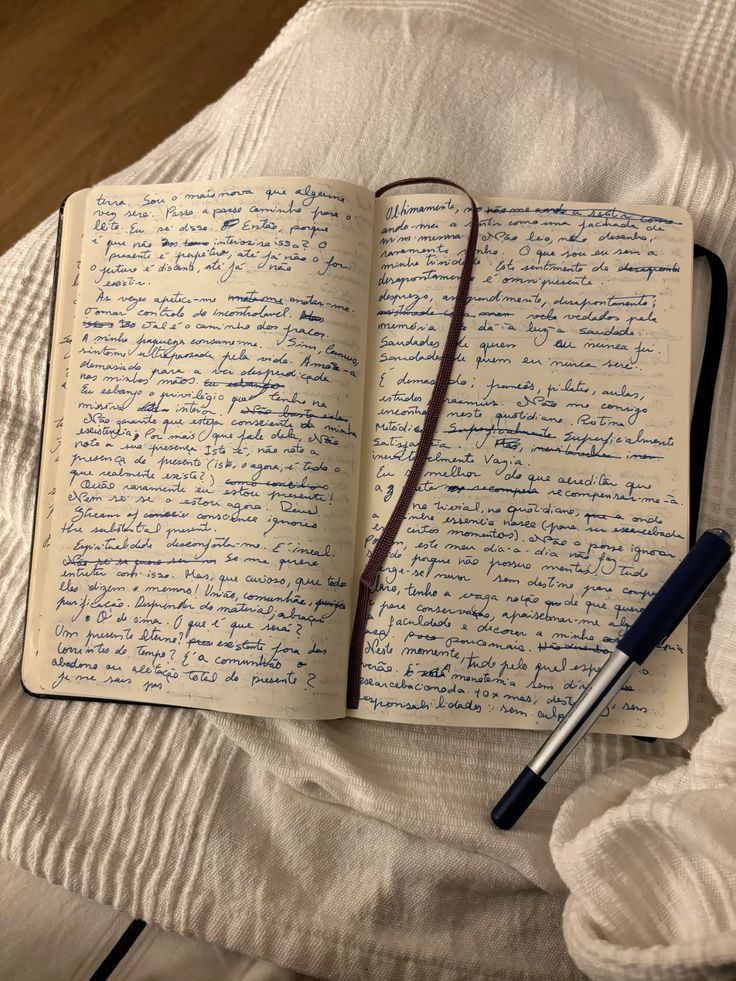
A busy life creates a busy mind, and it’s easy to feel overwhelmed with disorganized thoughts, emotions and mental to-dos floating around in your mind. Putting these thoughts down on paper can be a very useful form of meditation and emotional regulation for those feeling stressed or for those who want to regulate their emotions. However, it can be easy to get distracted from the root of journaling in an effort to come across as chic.
Journaling is trending on many social media platforms as a self-help mental health tool, but often journals shown online are extremely visually appealing and well-written. This image of what a journal is “supposed” to sound or look like can create barriers for anyone interested in pursuing the hobby. Maybe you lack artistic skills, or are insecure about your own writing. Either way, it can be difficult to journal purely for your own self-evaluation.
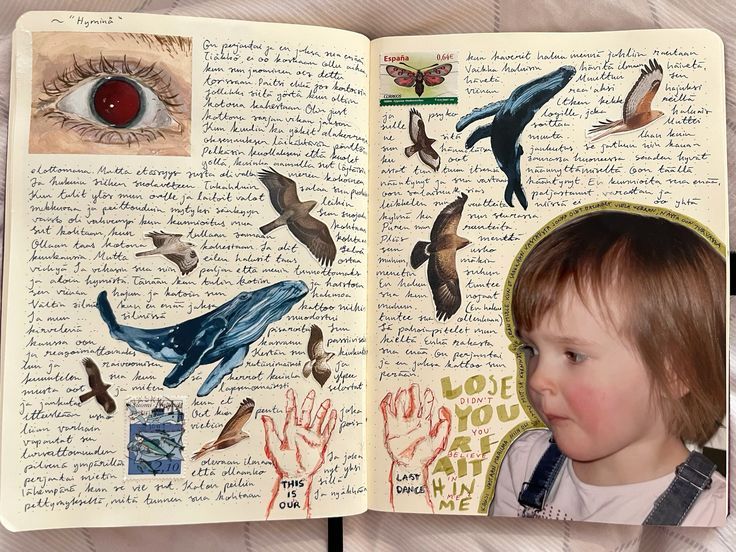
Pinterest-Worthy Pages
Most of the journal entries you see online are probably color-coded and aesthetically decorated, featuring pages of well-thought-out and reflective writing. As a new journaler, these expectations can make the activity seem daunting and complicated when it is supposed to help you relax and unwind. If you are a creatively-minded person, these methods may work well for you, but otherwise, none of them are necessary to the effectiveness of journaling.
You may be tempted to start journaling in a way that comes off as performative, hoping to show off how mindful you are by uploading thoughtful pages onto social media. The point of keeping a journal, however, is to chronicle your own thoughts. If other people have access to them or if that is your subconscious intention, you will not write truthfully and vulnerably.
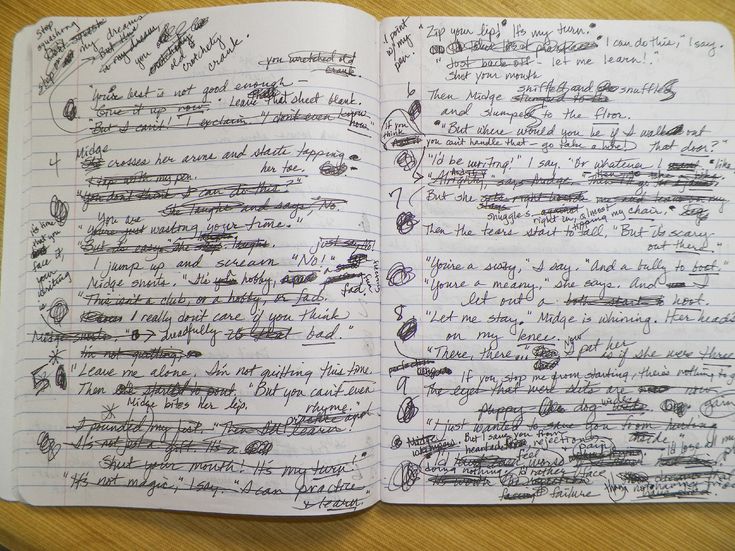
Ditch the Prompt, Embrace the Chaos
Many companies and influencers have begun trying to market off of the journaling fad taking the internet by storm. Popular beginner journals might prompt the reader with a reflection question, and many times, a word or line count, to appeal to the busy and hardworking buyer. Sometimes these prompts are a daily writing exercise to encourage consistency. While these guidelines may be helpful as a touchpoint for many beginners to journaling, they can, in fact, be limiting and cause a bit of writer’s block
Instead of following a guided journal, try writing to a blank page in whatever form is comfortable to you. You can start with a prompt, but don’t let it hold you back. Write in lists, run-on sentences or completely unintelligible giant paragraphs.
Allow yourself to write about the foremost thoughts in your mind, and if they are completely unrelated to one another, embrace the variety. Your hand writes much slower than your brain thinks, so journaling acts as a kind of meditation where you slow down and process your own thoughts as you isolate them one by one onto a page.
Do you journal? Tell us about your experience @VALLEYMag on Instagram!




Thank you for helping out, good info. “If at first you don’t succeed, find out if the loser gets anything.” by Bill Lyon.
Having read this I thought it was very informative. I appreciate you taking the time and effort to put this article together. I once again find myself spending way to much time both reading and commenting. But so what, it was still worth it!
Appreciating the commitment you put into your blog and detailed information you provide. It’s good to come across a blog every once in a while that isn’t the same outdated rehashed material. Fantastic read! I’ve saved your site and I’m adding your RSS feeds to my Google account.
I have been exploring for a bit for any high-quality articles or blog posts in this sort of space . Exploring in Yahoo I finally stumbled upon this website. Reading this information So i am glad to convey that I’ve a very good uncanny feeling I discovered just what I needed. I so much without a doubt will make sure to do not forget this website and give it a glance on a relentless basis.
I have been absent for a while, but now I remember why I used to love this blog. Thank you, I will try and check back more often. How frequently you update your website?
you have a great blog here! would you like to make some invite posts on my blog?
I appreciate, cause I found exactly what I was looking for. You have ended my 4 day long hunt! God Bless you man. Have a great day. Bye
I used to be recommended this website via my cousin. I’m now not certain whether this put up is written by means of him as no one else understand such special approximately my problem. You’re incredible! Thanks!