

Though it has been five years since the COVID-19 pandemic, the United States is still faced with the aftermath of the historical economic crisis that occurred during lockdown. In recent years, housing costs have experienced a record spike following these events.
Mental health, drug addiction and a general lack of resources for individuals of lower-incomes has left many at risk of experiencing homelessness. Affordable housing has experienced a rapid decline which only continues to contribute to this risk.
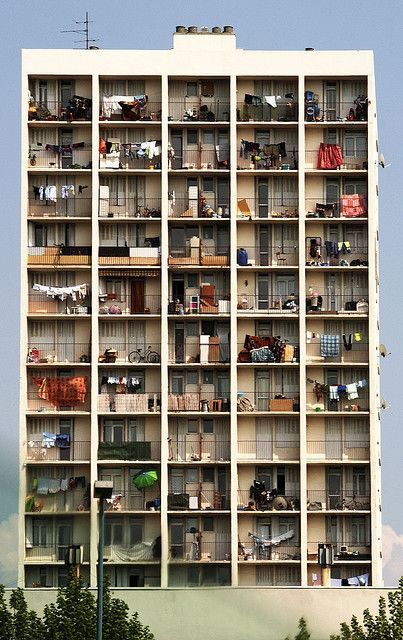
Affordable Housing Shortage
In a report shared by the U.S. Chamber of Commerce, an alarming shortage of affordable homes has contributed to the rise in people experiencing homelessness.
A major contributor to this increase in unhoused individuals is the growing disparity between social classes. Low-income renters face a shortage of 7.1 million affordable homes, according to a study.
Federal funding for lower-income housing has also seen a decrease in recent years. In May of this year, the Trump administration presented a “skinny budget” proposal which would cut existing housing funds from $58.4 billion to $31.7 billion. If this budget is pursued, housing resources would be reduced from serving 4.5 million to 2.4 million households.
According to the National Alliance to End Homelessness, ¾ of households with a low-income background do not receive federal housing assistance, a number that is predicted to increase if this proposal is pursued.
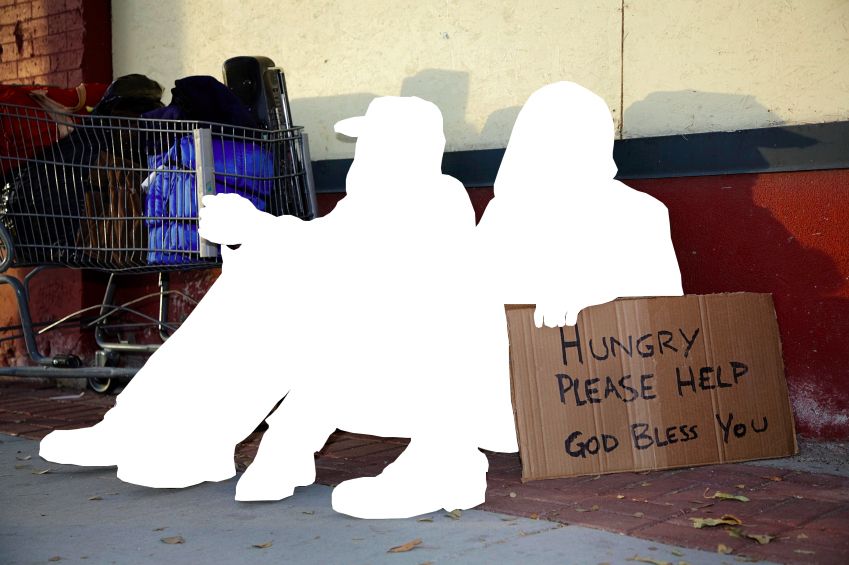
Lack of Resources
Another contributor to the rise in homelessness stems from a general lack of resources for individuals who face a higher risk of becoming unhoused.
Individuals such as veterans, immigrants and others who face mental health challenges, active addiction or were formerly incarcerated, are more likely to face economic challenges.
Veterans make up 5.3% of the nation’s homeless population where 73% of veterans who are experiencing homelessness are also struggling with substance abuse. As a result of lingering PTSD symptoms, the shortage of affordable housing and access to health care, veterans are often faced with homelessness.
Many individuals move to the United States to seek asylum but are faced with the challenges of inaccessible housing. The Department of Housing and Urban Development shares that a recent increase in homelessness relates to the influx of asylum seekers. In a study conducted across 13 communities reportedly affected by migration, they found that family homelessness increased by 39%.
Formerly incarcerated people are of another susceptibility to homelessness. These individuals are more than 10 times more likely to be homeless than the general population, according to the Prison Policy Initiative . In this same report it is stated that, “People who have been to prison just once experience homelessness at a rate nearly seven times higher than the general public.”
Though these groups may be more likely to become unhoused, this risk continues to grow as affordable housing and general resources continue to diminish.
Follow @VALLEYmag on Instagram for more.
Related
Trump’s Executive Orders: The Impact on Penn State
The Price of Protectionism
“Build Back Better” 101: Reasoning and Controversy






I’ll right away take hold of your rss feed as I can’t to find your email subscription link or e-newsletter service. Do you have any? Please let me know in order that I may just subscribe. Thanks.
Loving the info on this internet site, you have done outstanding job on the content.
After study a few of the blog posts on your website now, and I truly like your way of blogging. I bookmarked it to my bookmark website list and will be checking back soon. Pls check out my web site as well and let me know what you think.