
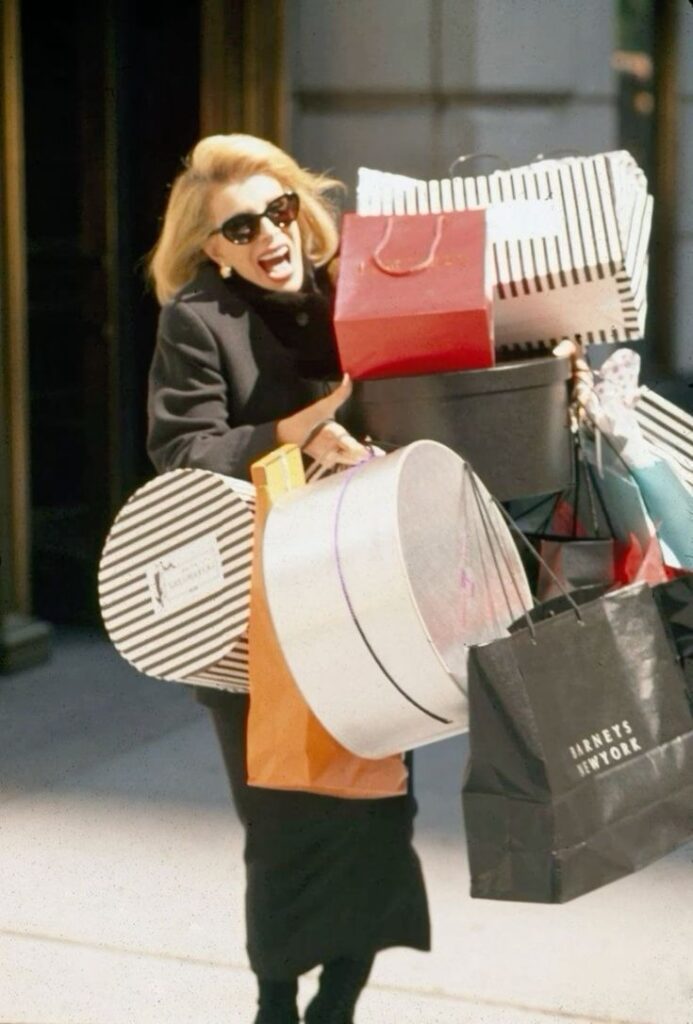
Black Friday was once known as the ultimate shopping day of the year, filled with unbeatable discounts and holiday anticipation. On the day after Thanksgiving, swarms of crowds would flood malls to begin their holiday shopping.
Today, Black Friday is just another online sale we scroll past on our phones. The exclusive deals are now lackluster in comparison to the never-ending promotions that shoppers are bombarded with on a daily basis. Many are wondering what caused this shift. How did one of the biggest traditions in retail shopping become just an ordinary day?
The History of Black Friday
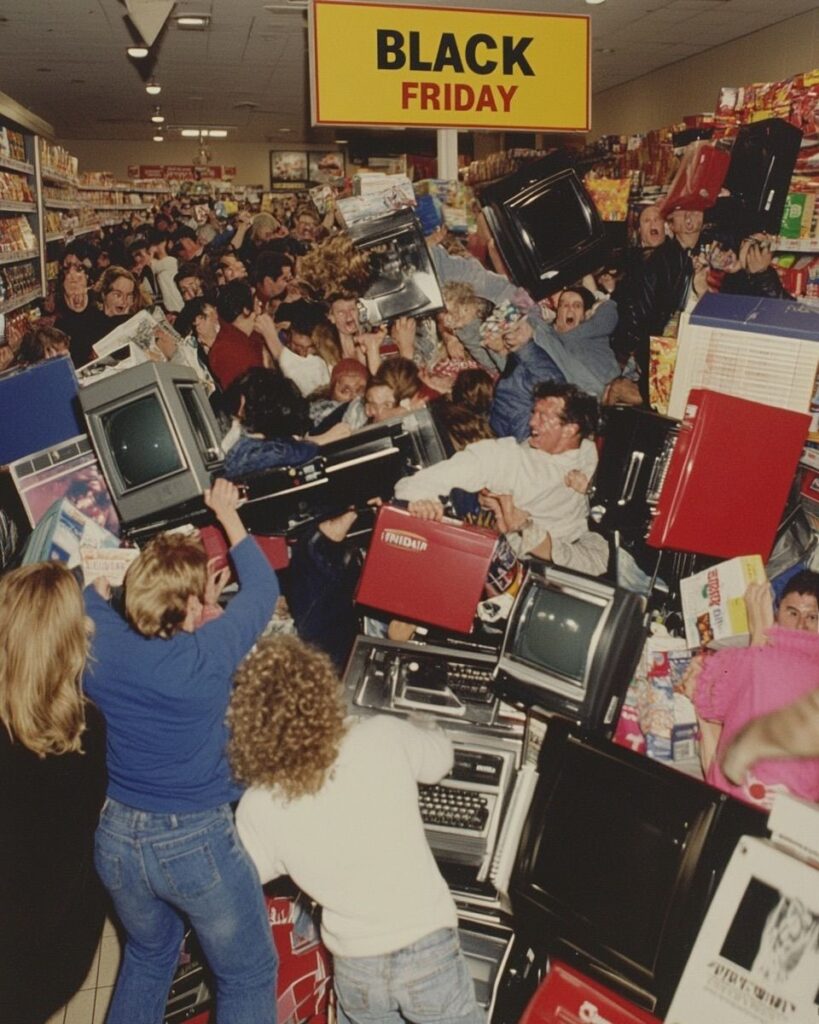
Originating in the 1950s, Black Friday was given its name in Philadelphia by police officers frustrated with crowds on the day after Thanksgiving. By the 1980s, it had become a shopping phenomenon across the country.
The allure of Black Friday was inescapable, with special discounts on expensive items, such as Plasma televisions and kitchen appliances. It was common to find lines of shoppers wrapped around department stores on the night of Thanksgiving, desperately trying to snag the best deals of the holiday season.
However, as Black Friday’s popularity rose, the holiday excitement turned to chaos. Securing discounted items became so competitive that people began getting injured in trampling incidents. In rare, tragic instances, some even died. Reports show that between 2006 and 2018, 11 Americans died and 109 were severely injured on Black Friday.
Online Shopping Boom
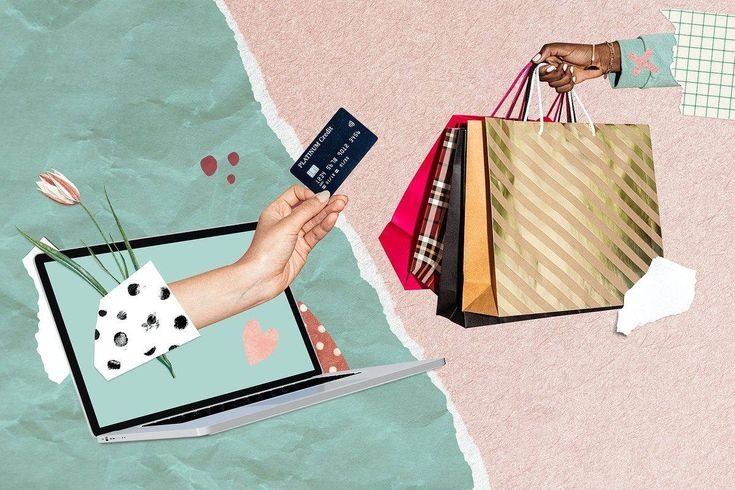
As online shopping became more widespread in the late 2010s, there were signs that the Black Friday craze was beginning to fade. Shoppers no longer needed to rush to department stores after Thanksgiving dinner. Every promotion they could want was available at their fingertips.
This shift in shopping trends was exemplified in statistics. In 2019, Cyber Monday sales topped Black Friday sales for the first time in history.
The COVID-19 pandemic, which confined Americans to their homes for months, only exacerbated the online shopping trend. During Black Friday 2020, there were over 100 million online shoppers. Many thought this new era of digital-only shopping would be temporary.
However, even after the pandemic restrictions were lifted, in-person Black Friday was forever changed. Instead of shoving to the front of crowded lines, shoppers were more inclined to prioritize convenience and continue embracing online sales.
In 2024, Black Friday online sales hit a record high of $10.8 billion in sales, compared to $5 billion in 2017.
No Sense of Urgency
The Black Fridays of the past used to enforce the idea of scarcity, leading shoppers to get into physical altercations over limited edition products or rare discounts. As society becomes increasingly digital, these discounts no longer seem rare. Digital retailers now stretch sales for multiple dates, with deals starting up to a week before Black Friday.
Studies show that much of the Black Friday sales or discounting does not even occur on Black Friday. For example, shoppers spent $6.1 billion on Thanksgiving Day 2024.
“Black Friday used to be a trigger for people to go to the store…but as it’s morphed into a general promotional season, Black Friday itself lost its magic: its sense of urgency.” – Barbara Kahn, professor of marketing at The Wharton School of the University of Pennsylvania.
What is your Black Friday tradition? Tag us, @VALLEYmag on Instagram and let us know!



The next time I read a blog, I hope that it doesnt disappoint me as much as this one. I mean, I know it was my choice to read, but I actually thought youd have something interesting to say. All I hear is a bunch of whining about something that you could fix if you werent too busy looking for attention.
You have brought up a very great details, appreciate it for the post.
You are my inhalation, I possess few blogs and often run out from brand :). “Never mistake motion for action.” by Ernest Hemingway.
Wonderful blog! I found it while searching on Yahoo News. Do you have any tips on how to get listed in Yahoo News? I’ve been trying for a while but I never seem to get there! Many thanks
I think this site contains some rattling superb info for everyone. “Billy T-T-T-T-Today, Junior” by Billy Madison.
I love the efforts you have put in this, thanks for all the great posts.
There is noticeably a bundle to know about this. I assume you made certain nice points in features also.
Whoa! This blog looks exactly like my old one! It’s on a entirely different topic but it has pretty much the same layout and design. Outstanding choice of colors!
Fantastic beat ! I would like to apprentice at the same time as you amend your site, how can i subscribe for a blog web site? The account helped me a appropriate deal. I have been tiny bit acquainted of this your broadcast offered vibrant transparent idea