
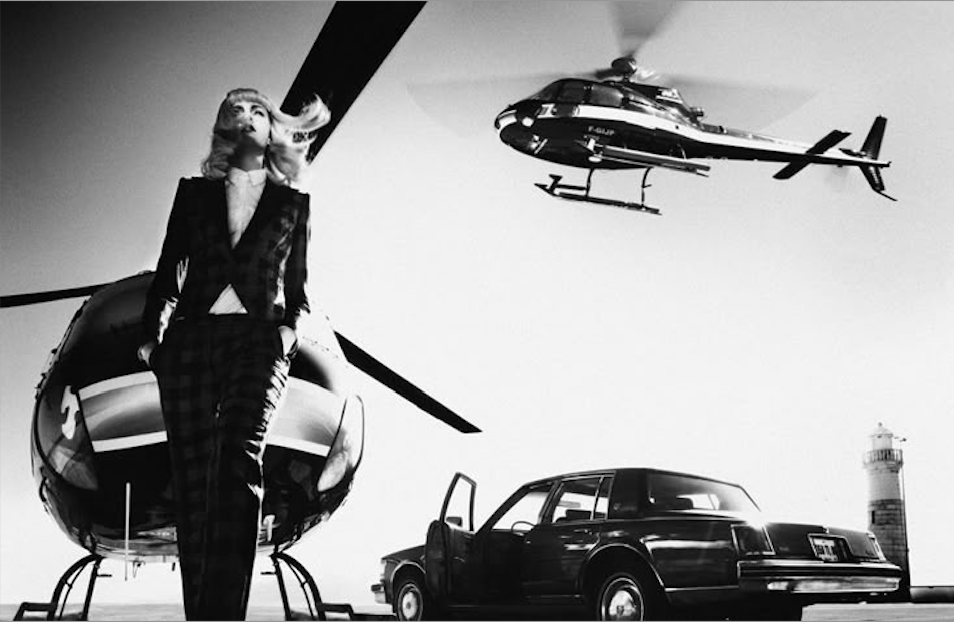
Her suggestive gaze is like a disarming first strike.
She’s the perfect formula in her charming dresses and sharp stilettos. On the arm of a man, she’s a sight to behold. And, that’s the secret. Women make the best spies because no one (man) dares to see what lies beneath the surface. Make no mistake. She’s not as replaceable as you think.
From intimidating beauty to street-smart trained assassins, the women of the spy genre have been written and rewritten, both revolutionizing the film industry and feeding the male gaze at once.
The Femme Fatale
She’s dangerous but flawed in her own right. She won’t stop at anything to get what she wants. Even in her apparently empowered state, she is but a plot device to help bolster male heroics. The femme fatale is heavily tied to film noir, with the archetype famously portrayed by actresses such as Greta Garbo, Rita Hayworth and Barbara Stanwyck.
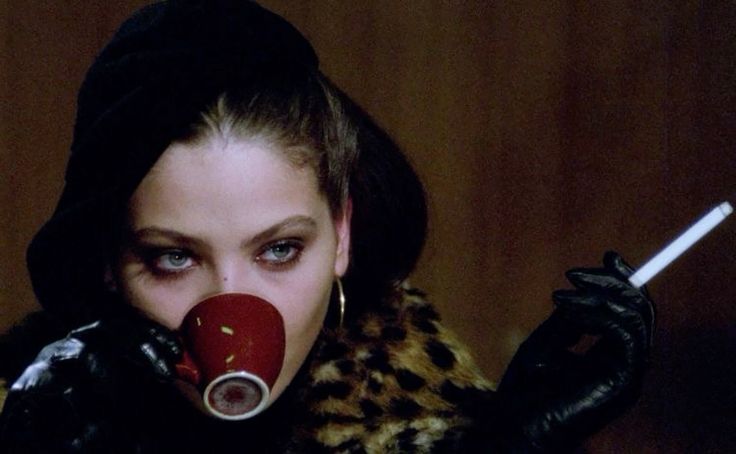
The femme fatale is vixen-like, luring unsuspecting men into danger. She is often morally ambiguous, unmarried and independent.
Compared to the film industry’s early 20th century usual portrayal of women as innocent, pure and passive, the femme fatale was complex and thus appeared empowered. While her beauty and intelligence are essential to her persona, her highly sexualized nature was presented as a danger to the main male protagonist. In the end, her cunning and independence were not a feminist statement, but a warning against it.
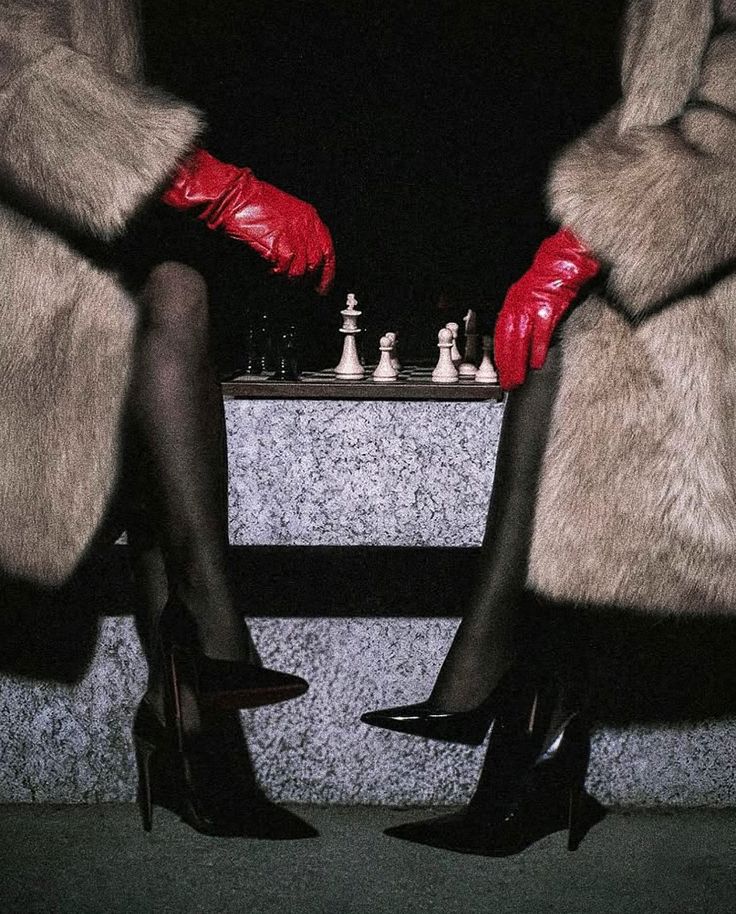
Later iterations of the archetype, such as in “The Girl with the Dragon Tattoo” (2011) or “Kill Bill” (2003), portrayed female characters as physically strong, vengeful (but still likable) and powerful. These characters only submerged the archetype further into morally grey zones, drawing polarizing reviews from critics on whether the character’s portrayal was a feminist statement or a misogynist throwback.
The Bond Girl
The women of the “James Bond” franchise are known for their allure, their overt sexuality and shocking replaceability. Film after film in the franchise introduced new women at either Bond’s side or at odds with him.
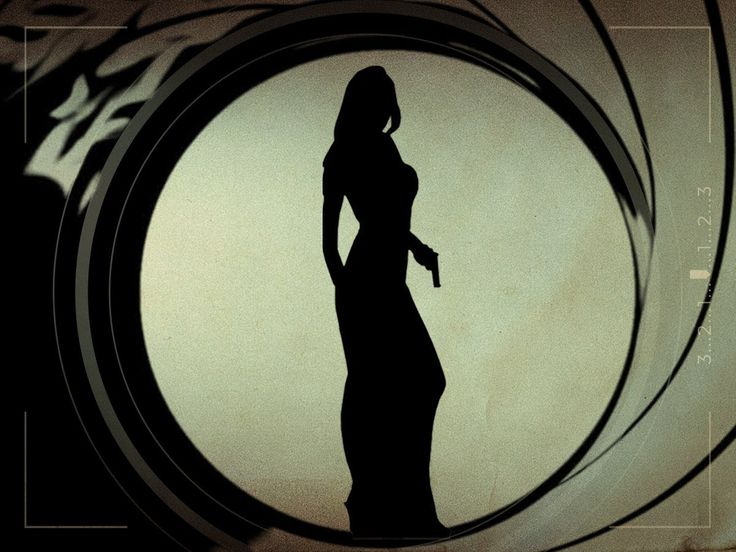
Sure, Bond’s world is one of glitz and glamour with just the right edge of danger, and the female characters were reduced to fit the narrative. The well-dressed femme at the arm of the suave Agent Bond acted like decor, a plot device to forward the action and add to the glamour.
The female characters tended to fall into several defined categories: sacrificial lamb, femme fatale or capable partner.
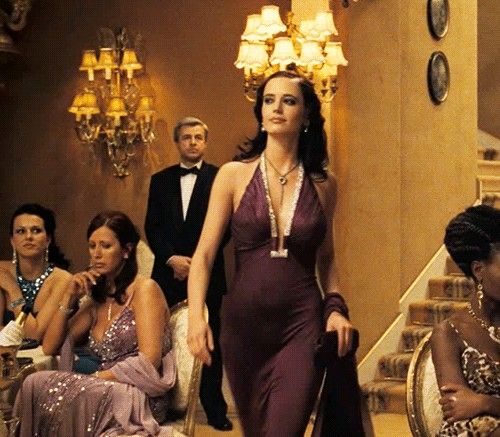
The initial eras of “James Bond” often fell back into a foolproof formula, employing the innocent and beautiful sacrificial lamb (otherwise known as the damsel in distress) and the alluring but villainous femme fatale. While distinct opposites, these archetypes represented different sides of the same coin. The sacrificial lab was innocent, always saved by Bond. The femme fatale was merely Bond’s adversary, whose fall was inevitable. Ultimately, they served to highlight Bond as the hero.
A New Era of Espionage
The 2000s represented a turn in the spy genre with the arrival of the “Jason Bourne” trilogy. “The Bourne Identity” (2002) not only introduced audiences to its shaky-cam signature (love it or hate it) — effectively transforming action cinema — it also introduced them to a set of multifaceted characters navigating a complex terrain. It resonated in a gritty way that “James Bond” could never. The women of the franchise also enjoyed better, if limited, character development.
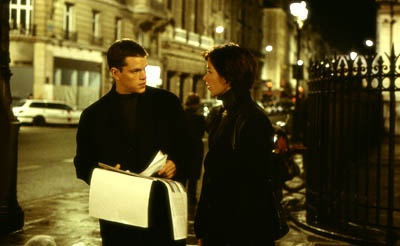
Nicky Parsons (Julia Stiles) remains a key character throughout the first four films in the franchise — a stark contrast to the replaceable Bond girl — allowing for more character development. Stiles’ character not only serves a supporting role, but functions as a key driver of the plot.
Subsequent films blurred the line between genres, a touch of spy and thriller infused with a dark post-9/11 fatalism that “Jason Bourne” had pioneered. Movies like “Atomic Blonde” (2017) and TV series like “Homeland” (2011-2020) followed this less glamorous aspect of the spy genre, leaning into the blue-grey fatalist airs of the era. And their female characters reflected it. The women — often in leading roles — were not simply decorative, but also key drivers of the plot.
The evolution of the female spy in film has been complex, teetering between controversial stereotypes and crude realism, but she remains an irreplaceable mainstay in the genre.
Who’s your favorite female spy? Shoot us a hint @VALLEYmag on Instagram.





Hello, i read your blog from time to time and i own a similar one and i was just curious if you get a lot of spam responses? If so how do you protect against it, any plugin or anything you can suggest? I get so much lately it’s driving me crazy so any assistance is very much appreciated.
It’s actually a cool and useful piece of information. I’m glad that you shared this helpful information with us. Please keep us informed like this. Thanks for sharing.
Well explained. I found myself nodding along because it matches what I’ve seen in practice. Keep up the good work.
Great article. I appreciate how detailed this is — most posts on this topic just skim the surface, but this one actually covers the important points. Will be sharing it with a couple of people.
I’ve been surfing online more than 3 hours today, yet I never found any interesting article like yours. It is pretty worth enough for me. In my opinion, if all web owners and bloggers made good content as you did, the net will be much more useful than ever before.
Thanks for any other informative blog. Where else may I am getting that kind of info written in such an ideal method? I have a project that I’m simply now operating on, and I have been at the glance out for such info.