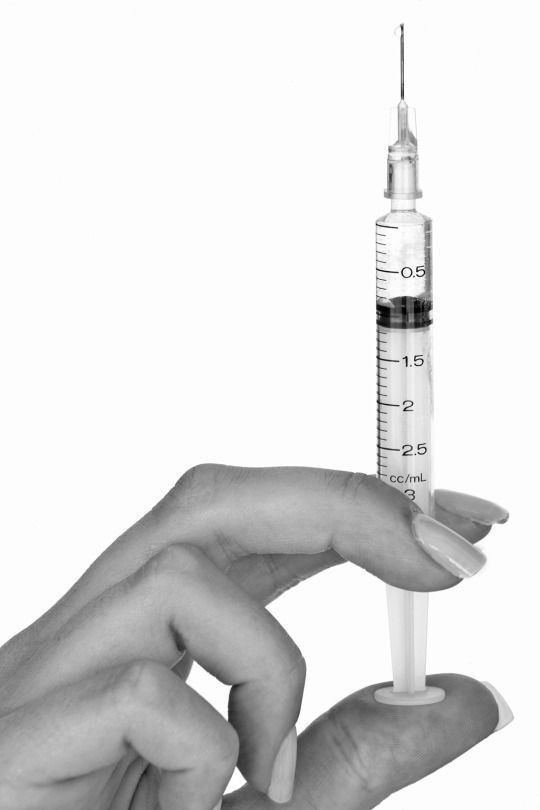
Years ago, the most common fix for aging skin was simply applying moisturizer or anti-aging serum. However, today, the quick fix is no longer found in a skincare product. The new treatment of choice is much more invasive: Botox injections.
While this shift may seem extreme, it is the reality for millions across the country. According to the American Society of Plastic Surgeons, the number of annual Botox injections increased by 459% between 2000 and 2020.
As Botox’s popularity rises, so does the risk of counterfeit products entering the market.
On Nov. 5, the Food and Drug Administration sent warning letters to eighteen websites illegally selling counterfeit versions of Botox. This is in response to several complaints claiming that counterfeit Botox caused a variety of injuries, such as the potentially life-threatening condition Botulism.
What is Botox?
Botox is a diluted form of botulinum toxin, a substance that temporarily blocks nerve signals and relaxes muscles. It is most commonly used for cosmetic purposes to smooth wrinkles and reduce fine lines, but can also be used to treat other medical conditions, such as muscle spasms and migraines.
Throughout the years, Botox has significantly risen in demand, often being administered in medical spas. These spa facilities have expanded rapidly across the country, with the industry being valued at approximately $19 billion in 2023. However, the growth is not expected to stop there. By 2033, the medical spa market is estimated to be worth $72 billion.
The Spread of Counterfeit Botox
Botox is legally required to be approved by the Food and Drug Administration. Yet, as prices rise, unapproved, counterfeit versions of the substance are beginning to infiltrate the market. Advertisements are frequently promoted on social media platforms, such as TikTok.
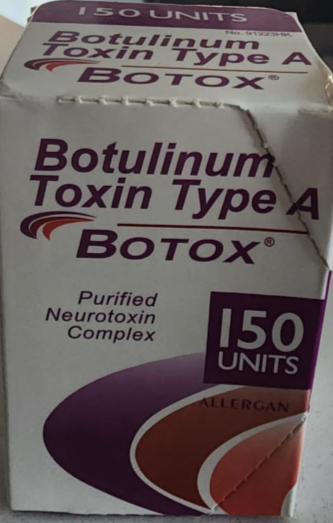
This counterfeit Botox is often administered in non-medical settings by unlicensed individuals. The packaging is designed similarly to real Botox, but the counterfeit substance is not tested for safety or approved by the Food and Drug Administration.
For example, one company sold an unapproved Botox product containing “Innotox,” also known as Korean Botox. These different versions of Botox have grown in popularity due to their easy accessibility and cheaper costs.
The Dangerous Side-Effects
Although they may be more affordable, using these unapproved substances can trigger several harmful side effects. The most concerning risk is botulism, an illness that attacks the body’s nervous system, leading to muscle paralysis, trouble breathing and slurred speech. If any patients experience these symptoms after injecting Botox, they should seek immediate medical care.
Side effects do not always appear after just one injection, but once they do, they can persist for several months.
Two confirmed cases of botulism were officially reported in Louisiana. One patient purchased unapproved Botox online, and the other received injections in a non-medical setting. When their symptoms appeared just a few days after injections, the patients were hospitalized.
“You could think that you’re in the clear and then all of a sudden, you can’t open one of your eyes and you don’t know what to do,” – Molly O’Rourke, a registered nurse and nurse injector in Portland, Maine.
Medical professionals urge Botox users to only receive injections from reputable, licensed facilities. Although it may seem convenient to purchase the most accessible, affordable option, the consequences can turn a quick fix into a medical emergency.
What are your thoughts on the fake Botox crisis? Tag us, @VALLEYmag, and let us know!




hello!,I love your writing so much! proportion we keep in touch more approximately your article on AOL? I require a specialist in this space to solve my problem. Maybe that is you! Looking forward to look you.
Great amazing issues here. I am very satisfied to see your article. Thanks a lot and i am taking a look ahead to touch you. Will you kindly drop me a e-mail?
What i do not understood is in truth how you’re no longer actually a lot more well-appreciated than you may be right now. You’re so intelligent. You understand thus significantly in terms of this subject, produced me in my opinion imagine it from a lot of various angles. Its like men and women are not interested unless it is something to accomplish with Lady gaga! Your personal stuffs great. At all times maintain it up!
I am often to blogging and i really appreciate your content. The article has really peaks my interest. I am going to bookmark your site and keep checking for new information.
I enjoy forgathering utile info, this post has got me even more info! .
I’ve been absent for some time, but now I remember why I used to love this website. Thanks , I will try and check back more often. How frequently you update your web site?
I am lucky that I noticed this blog, exactly the right information that I was searching for! .