
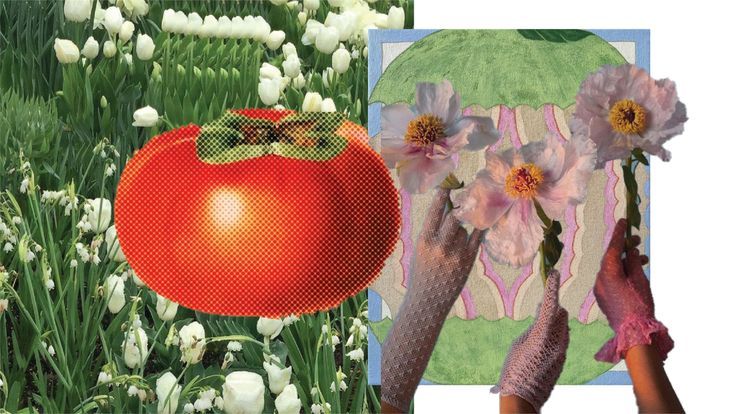
Digital gardening is the practice of creating a personal, reflective digital space for your notes, thoughts, ideas and inspiration — a place where you can collect and grow what actually matters to you. It can look like writing down passing thoughts, researching niche interests or keeping lists of your favorite books and quotes, along with why they resonate.
It’s less about productivity and more about intention. A digital garden is something you build slowly, over time — planting ideas, revisiting them and letting them evolve.
The internet, as it exists now, is built for passive consumption. Algorithms decide what you see, trends dictate what matters and everything moves so quickly that nothing has time to fully land.
Doomscrolling creates the illusion of engagement but it rarely asks anything from you. You can spend hours consuming content without forming a single lasting thought. Digital gardening pushes back against that — it’s a way of saying that not everything deserves equal attention.

Planting Your Garden
In practice, it can take many forms. It might be saving video essays that have altered your brain chemistry, or scrolling through Pinterest and collecting images that spark some creativity. It could mean curating playlists on Spotify that capture a feeling you want to live in, or saving interior design spaces that inspire you. Any media you consume or create can become part of your digital garden.
There is no single way to do it. Some people use Substack, Notion, personal blogs or other platforms to organize their thoughts. Others keep it more visual or intuitive. The structure doesn’t matter — the connection between ideas does.

Relearning How to Think for Yourself
At a certain point, overconsumption starts to shape not just what you see but how you think.
Digital gardening interrupts that influence. By collecting and revisiting ideas, you start to engage with them more deeply. You might connect two unrelated concepts, revisit a thought with a new perspective or finally put words to something you couldn’t articulate before.
In curating your own space, you’re actively deciding what informs your perspective. You’re not just inheriting ideas — you’re selecting and shaping them. That process naturally leads to more independent thinking because your inputs are more intentional.
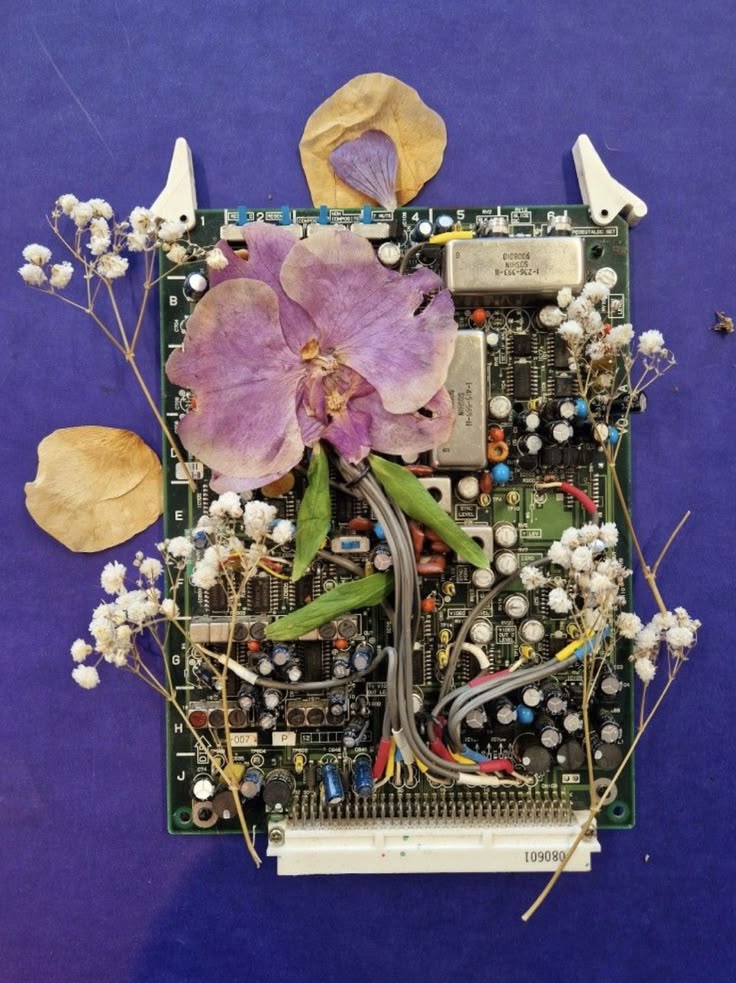
A Slower, More Intentional Internet
Digital gardening doesn’t reject the internet — it just reworks how you exist within it.
The internet can feel so repetitive and soul-sucking — it can feel like creativity and individuality are dying. Choosing to slow down feels like a way to recollect our autonomy and make the internet feel usable again. It’s gathering media that makes you feel invigorated and inspired, rather than being left wondering why you can’t remember half the content you just consumed while scrolling.
For the notes app lovers, the Pinterest board enthusiasts and anyone drawn to art and ideas, digital gardening is a way to slow down and intentionalize your media consumption. It turns the internet into something that supports your creativity instead of quietly draining it.
What are your thoughts on digital gardening? Let us know on Instagram @VALLEYmag!