

In 2007, a quiet Italian town became the center of a media storm. Meredith Kercher, a British student studying abroad in Perugia, was found murdered in the apartment she shared with American student Amanda Knox. What followed was years of trials, appeals and tabloid headlines that painted Knox as everything from a cold-blooded killer to an innocent student caught in a nightmare.
Fast forward nearly two decades, and Knox herself is helping to retell that story. “The Twisted Tale of Amanda Knox,” streaming now, is a documentary series that does not just revisit the case, it reframes it. With Knox as co–executive producer, the show takes viewers through the crime, the investigation, the court cases and — perhaps most importantly — the way the media shaped public opinion.
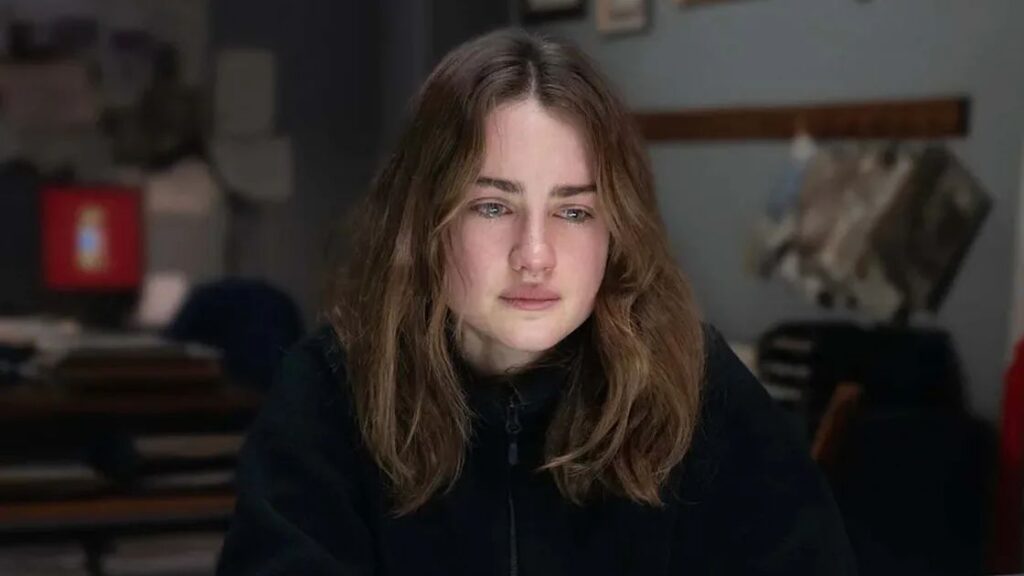
The documentary acts like a thriller. Early episodes paint Knox’s life in Italy as carefree: studying, dating and dancing. The tone flips when Meredith’s body is discovered. Suddenly, what should have been a tragedy centered on Meredith becomes a chaotic episode with Knox in the middle.
One of the most infamous images from the case is Knox kissing her boyfriend, Raffaele Sollecito, outside the crime scene. Back then, the media used it to label her as cold and uncaring. In the series, the moment is shown differently, almost as if Knox is asking viewers to rethink what they believed. It is a powerful reframe, but also a reminder that this story is told from her perspective.
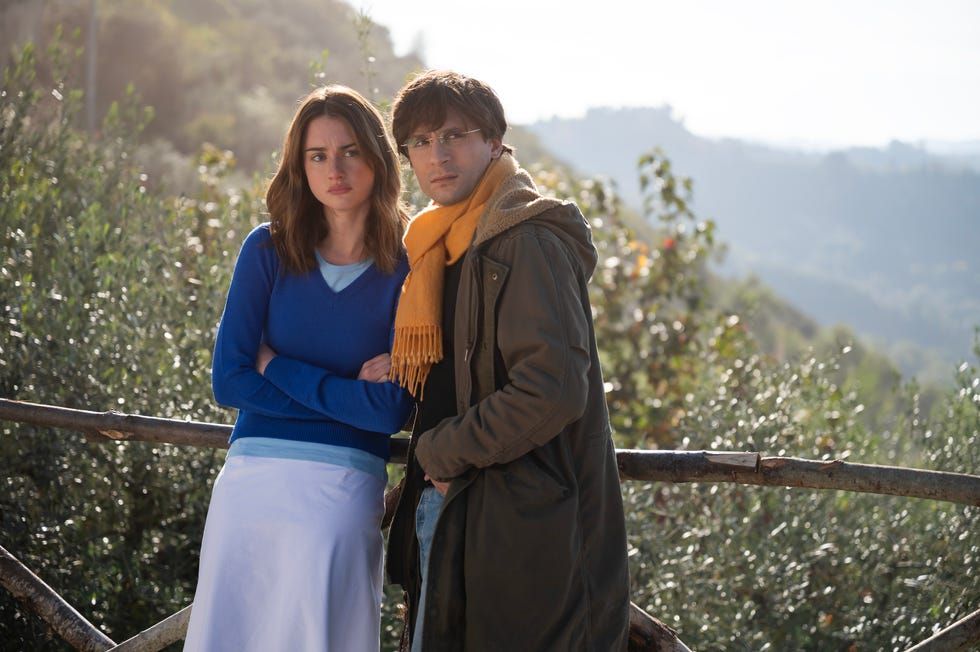
The series shows Knox’s interrogations, where she appeared exhausted and confused before naming her boss, Patrick Lumumba, as the murderer. While the documentary highlights the pressure she faced, the real story was even messier, with days of questioning, cultural clashes and her limited Italian. The documentary simplifies it but stresses the emotional toll.
Then, the courtroom drama then takes over. Italy’s legal system, with its retrials and reversals, is almost a character itself. The documentary covers Knox’s convictions and acquittals but skips over much of the forensic debate, including contested DNA evidence and Rudy Guede — the only person ultimately convicted.
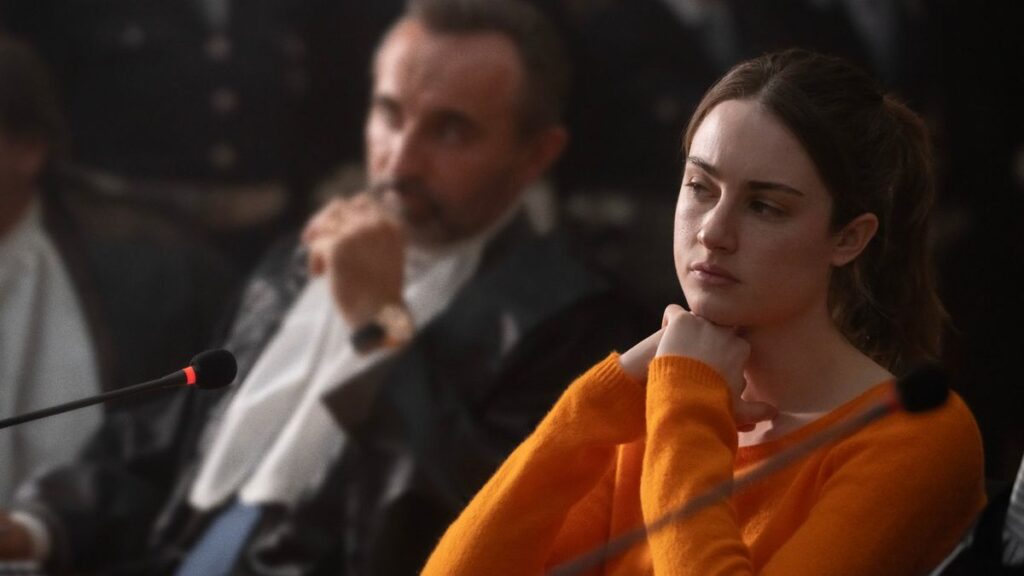
The final episodes show Knox after the verdict, trying to rebuild her life and even confronting prosecutor Giuliano Mignini. It is emotional and dramatic but also polished as a sense of closure the real story never truly gave.
The documentary reveals how memory, media and storytelling can turn events into something that feels like truth. It encourages viewers to think critically but also chooses which parts of the story to highlight.
In the end, true crime is not just about the facts, it is about who gets to tell the story.
Let us know your thoughts on the documentary by tagging @VALLEYMag on Instagram!



I like this website very much, Its a really nice situation to read and obtain info .
But a smiling visitor here to share the love (:, btw outstanding style and design.
It’s hard to find knowledgeable people on this topic, but you sound like you know what you’re talking about! Thanks
Hi! Quick question that’s completely off topic. Do you know how to make your site mobile friendly? My site looks weird when viewing from my iphone 4. I’m trying to find a template or plugin that might be able to fix this problem. If you have any suggestions, please share. Many thanks!
I discovered your blog site on google and check a few of your early posts. Continue to keep up the very good operate. I just additional up your RSS feed to my MSN News Reader. Seeking forward to reading more from you later on!…
I am not real good with English but I find this rattling leisurely to understand.
Hello! I just would like to give a huge thumbs up for the great info you have here on this post. I will be coming back to your blog for more soon.
Nice post. I was checking continuously this blog and I’m impressed! Extremely helpful information particularly the last part 🙂 I care for such information much. I was seeking this certain info for a very long time. Thank you and good luck.
捕风捉影在线免费在线观看,海外华人专属平台智能AI观看体验优化,高清无广告体验。
hi!,I like your writing so much! share we communicate more about your post on AOL? I require an expert on this area to solve my problem. May be that’s you! Looking forward to see you.