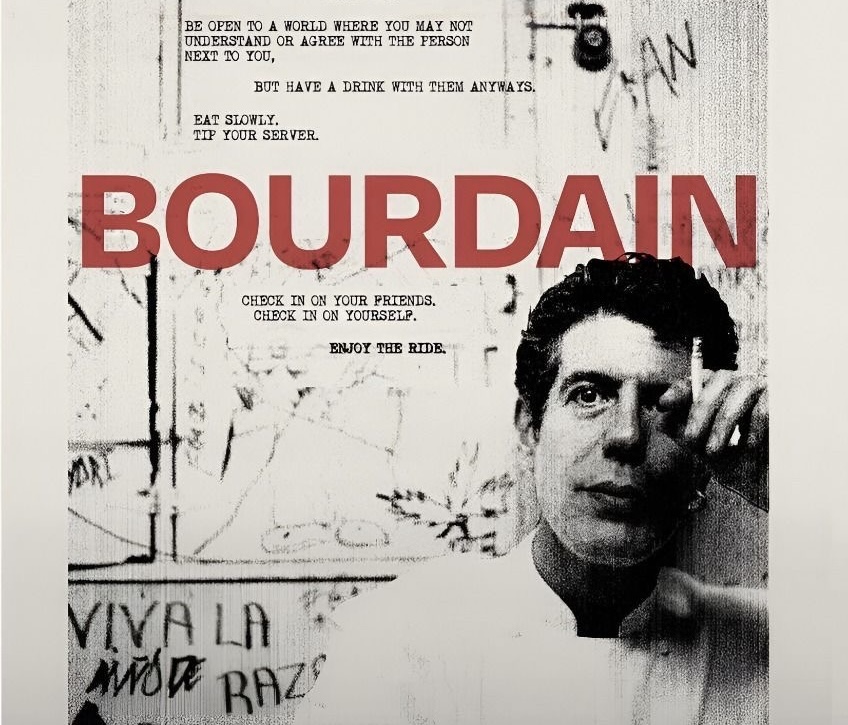
By the time Anthony Bourdain sat down shoulder-to-shoulder with strangers at a plastic table in a crowded street stall somewhere halfway around the world — cigarette in hand and a bowl of something unfamiliar in front of him — viewers knew they were about to see something worthwhile and genuine.
He was sardonic, witty, blunt and occasionally cheeky. He was also endlessly curious, a little rough around the edges — and people loved him for it.
Bourdain built a career out of doing something deceptively simple: showing up, sitting down and listening. He chased stories and the people who carried them. Every meal was an opportunity to listen, learn and to step outside your own perspective.
He lived like a man who believed comfort was overrated. Bourdain wasn’t interested in polished travel brochures or the safe, sanitized version of a destination. To him, it was about curiosity, empathy, respect and a willingness to be vulnerable. Call it “The Bourdain Way.”
It meant showing up as a humble guest and embracing discomfort. It meant trying everything — the delicious, the bizarre and even the occasional “bad meal” — because every experience held a story.
He took risks, said what he meant and chased experiences most people only ever dream about — building one of the most distinctive legacies in modern food and travel media.
For millions of viewers, Bourdain became the rare television personality who felt authentic. His appreciation for culture and his ability to connect with people was something special.
The Voice That Changed Food Writing
Before the television cameras and routine global travel, Bourdain was a working chef with a sharp pen and an even sharper tongue.
His life changed in 1999 when he drunkenly submitted an essay titled “Don’t Eat Before Reading This” to The New Yorker. The essay, accepted by editor David Remnick, peeled back the curtain on the chaotic — and sometimes grimy — realities of professional kitchens.
It struck a nerve.
That essay became the foundation for Bourdain’s breakout book, published in 2000, “Kitchen Confidential: Adventures in the Culinary Underbelly,” a bestseller that reshaped food writing.
The book pulled readers into the restaurant world with a voice that was sarcastic, sharp and unapologetically real. It read less like a polished memoir and more like a late-night confession from someone who had seen everything the restaurant world had to offer — the brilliance, the addiction, the egos and the madness.
His early travel memoir, published in 2001, “A Cook’s Tour: Global Adventures in Extreme Cuisines,” followed his mission to hunt down what he called the “perfect dish.”
The book was part travel diary, part philosophical ramble and part culinary adventure. Bourdain wandered across continents tasting everything from street food staples to dishes most Western diners had never heard of — but “A Cook’s Tour” wasn’t really about the food. It was about the people.
The book was raw, provocative and brutally funny. Bourdain’s writing style was unmistakable. His voice felt conversational — almost like a one-sided dialogue with the reader. It was edgy, intelligent and impossible to fake.
From Chef to Citizen of the World
Following the success of his writing, Bourdain eventually found himself in front of the camera.
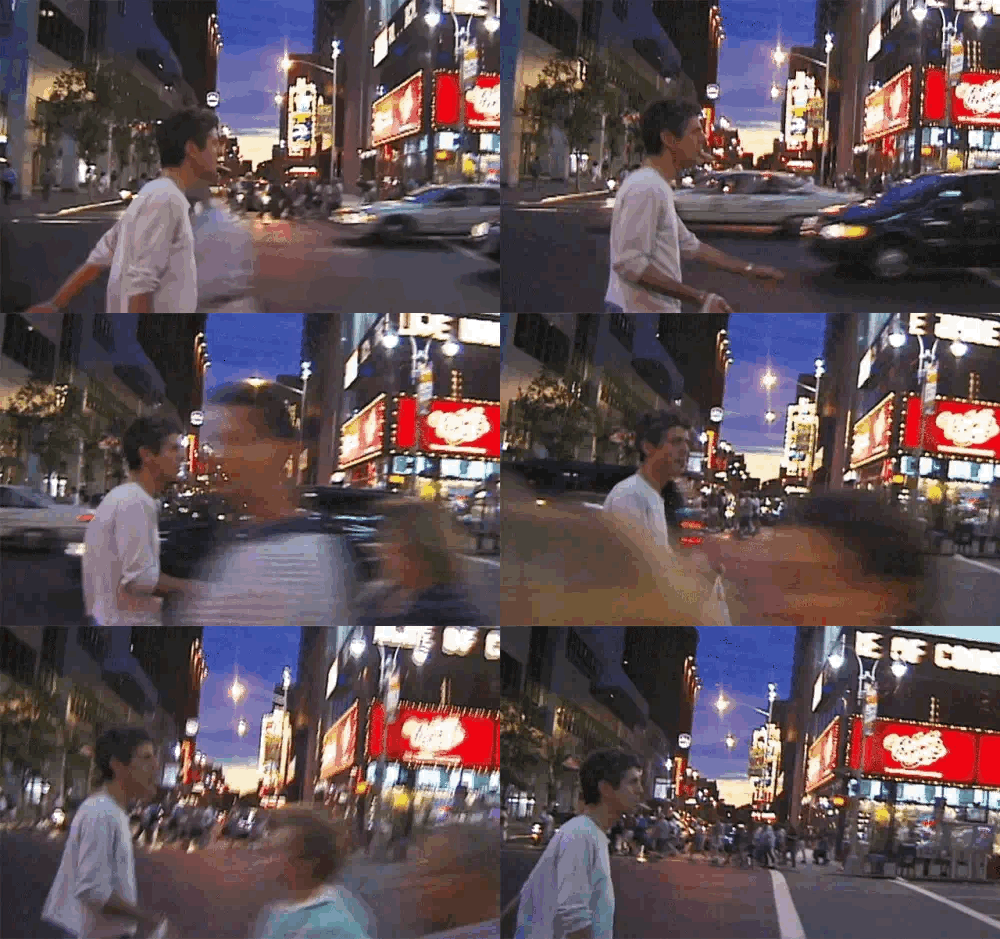
In the early 2000s, he launched “Anthony Bourdain: No Reservations,” a show built around a simple premise: travel anywhere and experience the food and culture of the places he visited — but the show quickly evolved into something much bigger.
Bourdain wasn’t interested in luxury resorts or celebrity chefs. He preferred street food stalls, neighborhood bars and the company of everyday people. The meals mattered, of course. Bourdain had a clear proclivity for a great dish — but he was even more interested in the people behind it.
He consistently gave credit where it was due, shining a spotlight on the cooks, vendors and culinary minds whose dishes carried history and identity. Every plate had a story and Bourdain believed those stories deserved to be heard.
By 2013, the concept matured further with “Anthony Bourdain: Parts Unknown,” which leaned more heavily into culture, politics and the lived experiences of the people he met.
Food remained the entry point but conversations expanded into war, immigration, history and inequality. Nothing was off limits.
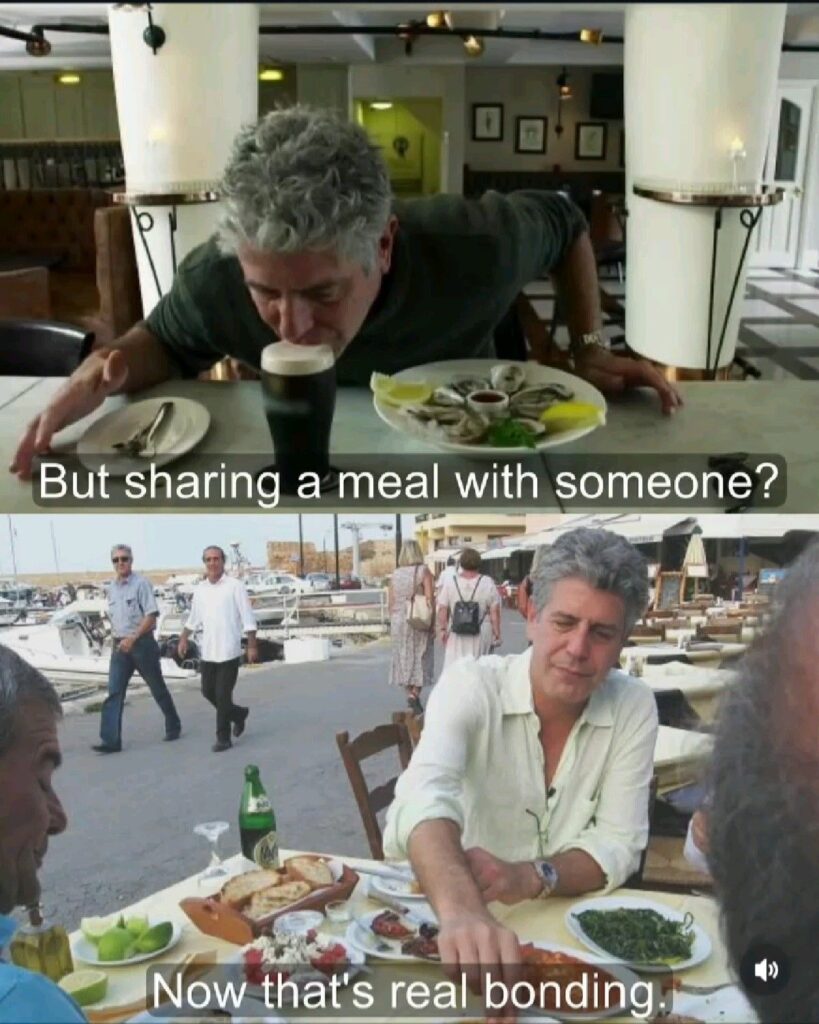
Bourdain believed that sitting down for a meal together could break down barriers faster than politics or diplomacy ever could — and for many viewers, that idea stuck.
Episode by episode, Bourdain brought the world into living rooms and showed viewers what it meant to be a citizen of the world: stay curious, show respect and listen to the people who know a place best.
Radical Honesty
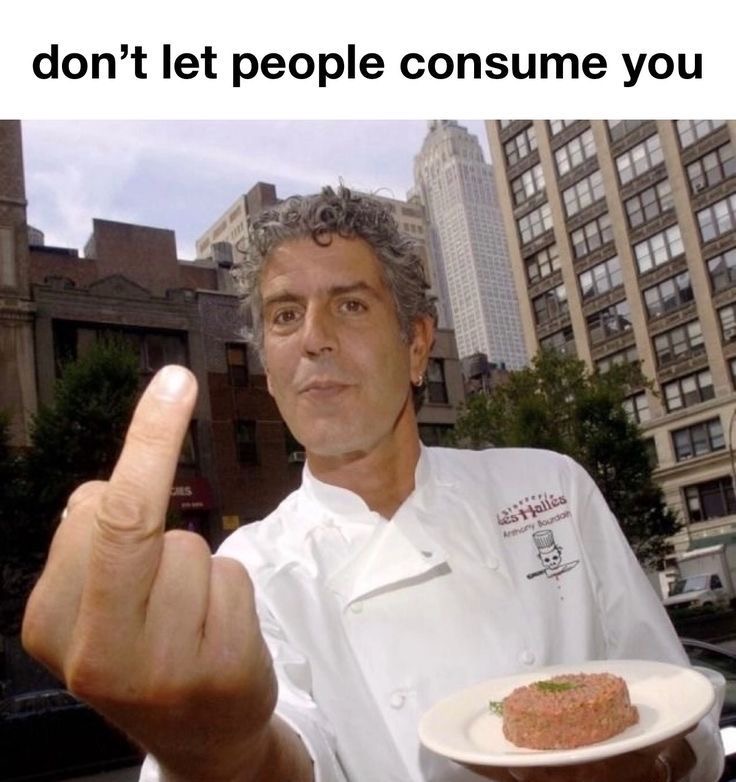
Part of what made Bourdain so compelling was his refusal to pretend. He didn’t sanitize his past.
In interviews and writing, he openly discussed his struggles with addiction to cocaine and heroin during his early years in the restaurant industry. He spoke candidly about the darker corners of kitchen culture and the toll that lifestyle could take.
That level of honesty resonated with audiences. It made him human.
Bourdain also used his platform to advocate for others, becoming a prominent male voice supporting the #MeToo movement and speaking openly about inequalities within the restaurant industry.
He was opinionated and sharp, never one for what he saw as nonsense. He didn’t do polished PR answers. His bluntness came from conviction — authenticity mattered to him.
The Bourdain Legacy
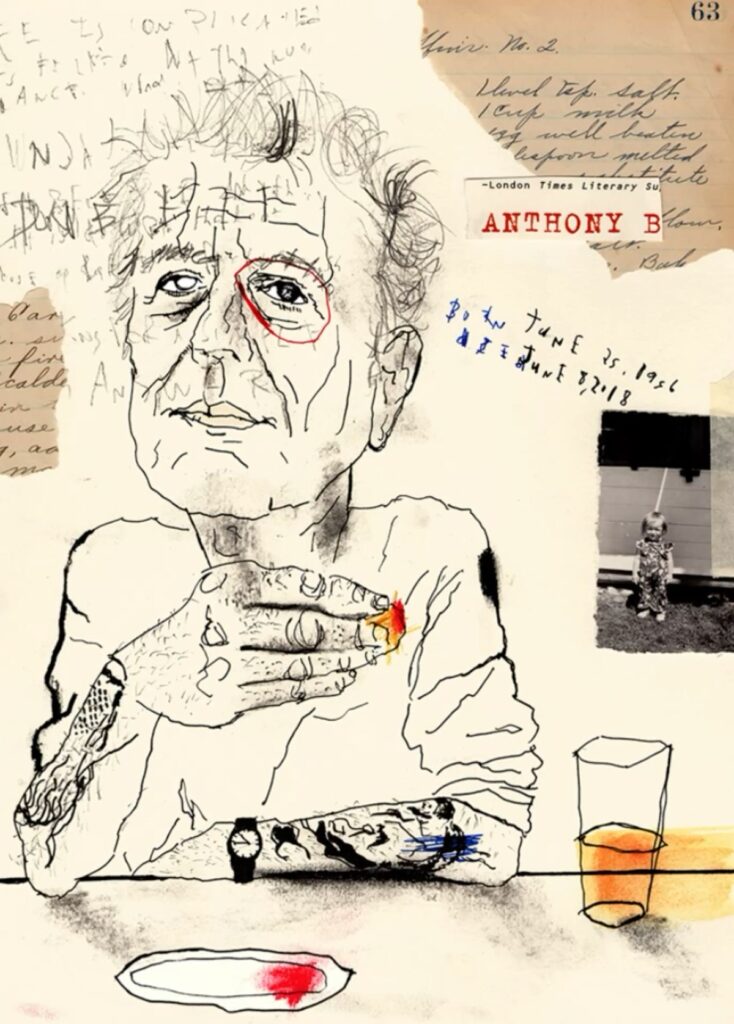
On June 8, 2018, Bourdain was found dead in France in what authorities ruled an apparent suicide. His death shocked fans around the world.
Behind the sharp humor and restless curiosity, Bourdain carried personal struggles that those closest to him occasionally glimpsed as the pressures of fame and constant travel mounted.
Yet even in death, his influence hasn’t faded. Chefs, writers and travelers still cite him as someone who changed how people think about food and culture.
Bourdain once built a career by drunkenly submitting an essay he never expected anyone to read. From that moment on, he lived with the same boldness — chasing stories, taking risks and trusting that something interesting would happen along the way.
More often than not, it did — and that, in the end, is The Bourdain Way: live boldly, embrace the world and never settle for comfort over curiosity.
What are your thoughts on The Bourdain Way? Let us know on Instagram @VALLEYmag!