
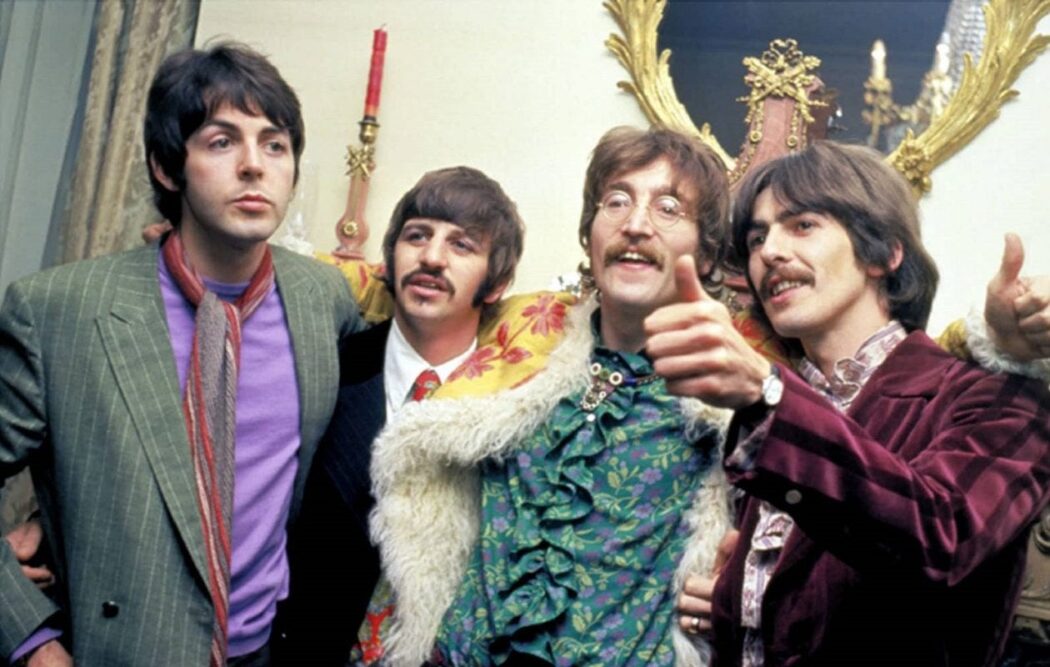
The year is 1964. The music industry is being stifled by bland, monotonous pop songs, and rock-and-roll is almost completely dead. Its biggest stars have left the scene, some by choice and others by reasons beyond their control (i.e., death). The industry has replaced these people with uncreative and overly polite “teen idols” in an attempt to sanitize rock-and-roll by softening its edges. America, still grieving President John F. Kennedy’s 1963 assassination, is desperate for something, anything, to come and revive them.
Their saviors went by the names of Paul McCartney, John Lennon, George Harrison and Ringo Starr (A.K.A. the Beatles). When the four arrived in America in 1964 with their rebellious spirits, unique style and clean-cut hair, people went crazy. The Beatles’ musical creativity was a breath of fresh air for Americans, cutting through the monotony of the pop-dominated industry. But while the Beatles’ early music was deemed creative at the time, it simply doesn’t compare to the artistry of their later songs. As time went on, the group became increasingly more innovative, both in their songwriting and in their production techniques.
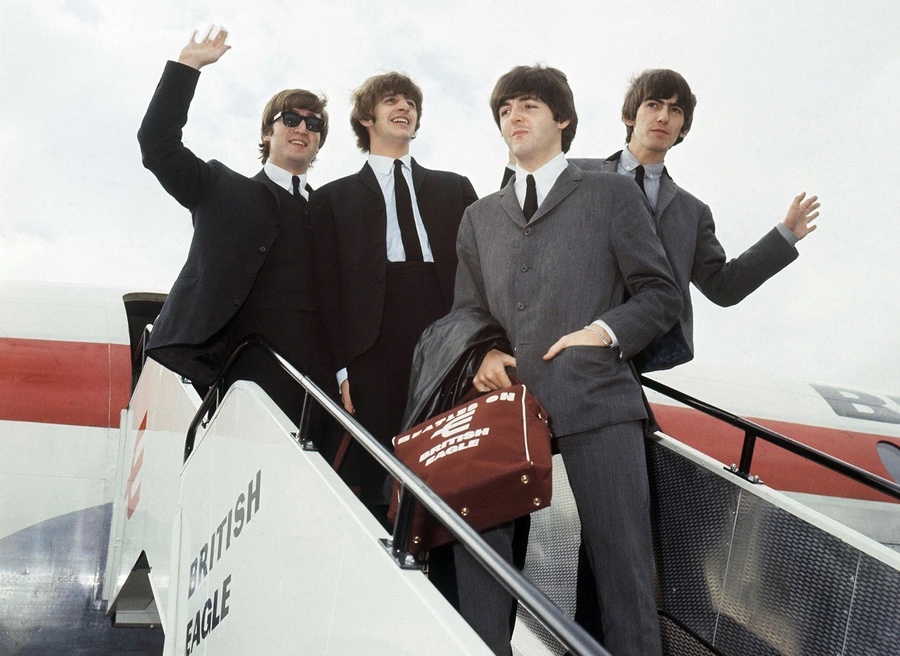
After the group received criticism from Bob Dylan in August of 1964 that their music lacked deeper meanings (Dylan’s songs protested the Vietnam War and racism), John Lennon began to write more personal and introspective songs. His song “I’m a Loser,” marked the start of that transition, and the 1965 album “Help!” served as a transition point for the group, implementing some of their techniques from the past while also hinting at a new direction.
The group’s 1965 album “Rubber Soul” and 1966 album “Revolver” demonstrated an elevation in their musical creativity and complexity. Their experimental sides started to really show, and “Revolver” was the band’s first psychedelic album, sparking a revolution. There were also major social changes in the mid-1960s, the biggest being the normalization of marijuana and LSD use.
By 1966, there were two primary social groups in London: the Psychedelia and the Mods. The Mods were working-class young people from metropolitan and southern London who had neat haircuts and stylish clothing. They took “speed” so that they could party for hours at a time, and they listened to bands like The Rolling Stones and The Who. The Psychedelia, on the other hand, which was present in both America and Britain, had a focus on love and drugs, and using LSD instead of speed. They wore bell-bottoms and listened to artists like Jimi Hendrix.
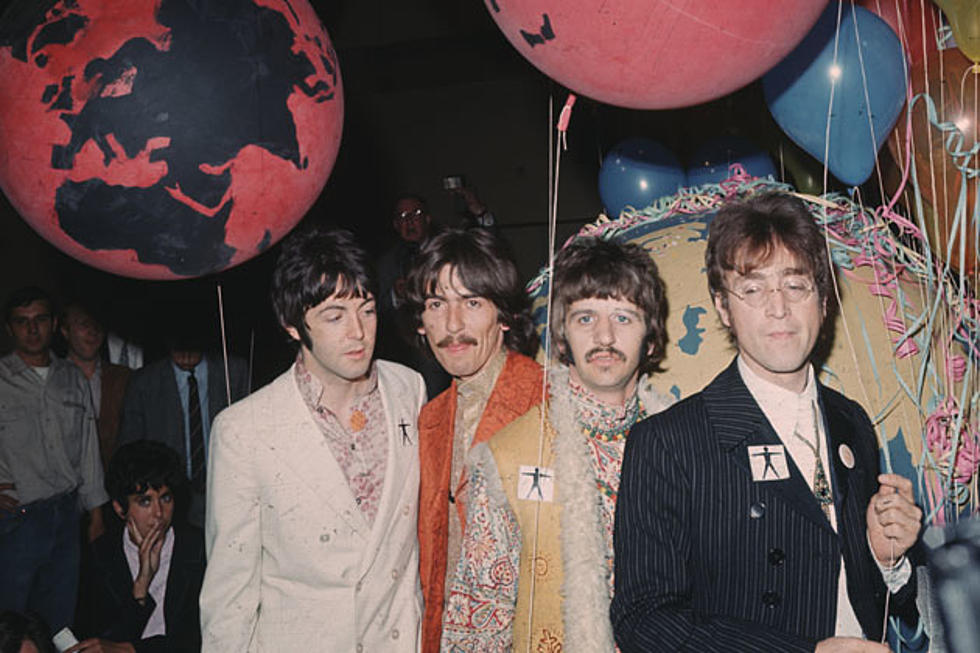
The Beatles embraced Psychedelia, and by 1966, all four were doing drugs, particularly LSD. Since they stopped touring, they became a studio band, meaning they had to show creativity in their music – and that they did. They were becoming much more sophisticated and mature songwriters, and they were no longer releasing simple melodies that they knew people would love.
Following “Revolver,” Paul McCartney crafted a new idea: an album entirely from the perspective of a made-up band that would serve as the Beatles’ alter-ego. Ultimately, the basis was that the Beatles could record songs pretending to be an entirely different group, allowing them more artistic freedom so that they wouldn’t have to produce the typical music that the Beatles were known for. This culminated in “Sgt. Pepper’s Lonely Hearts Club Band,” or Sgt. Pepper for short.
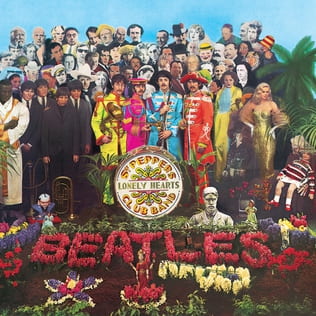
Sgt. Pepper is said to be rock-and-roll’s first “concept album,” and it not only pushed the boundaries of production technology, but it also completely changed the way people listened to music. Thus, it’s one of the greatest albums of all time; not because of its songs, but because of its significant impact on pop culture and the music industry. It showed that albums could be stories within themselves, and it supported the counterculture of the time, by promoting Psychedelia. Its songs explore the idea of expanding the mind with love and drugs. Ultimately, Sgt. Pepper’s glory lies in the fact that it showed just how much music was capable of.
While the Beatles continued to make more groundbreaking music, “Sgt. Pepper’s Lonely Hearts Club Band” is practically unbeatable. Because of that album, the music industry has been changed forever. Thanks to the Beatles, pop culture and the world in general will never be the same.





You made some clear points there. I looked on the internet for the topic and found most individuals will consent with your website.
Outstanding post, you have pointed out some excellent points, I too believe this s a very good website.
There is perceptibly a lot to realize about this. I think you made various nice points in features also.