
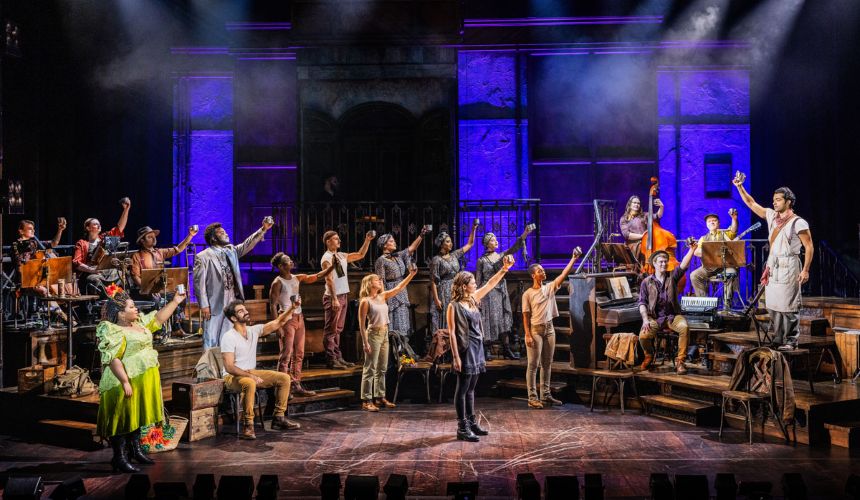
From March 2 to March 3, “Hadestown” made its debut on campus at Eisenhower Auditorium. Originally created by singer-songwriter Anaïs Mitchell and director Rachel Chavkin, the story of Orpheus and Eurydice has been taking Broadway by storm for the last decade. Despite its age, its story of love and hope in the face of adversity is one that has resonated with audiences of all backgrounds.
One cast member was Ryaan Farhadi, a 2023 graduate from Penn State’s musical theatre program. His main role was to be one of the Workers of Hadestown, an ensemble that filled the stage with life. However, on the show’s second and final night, he got to take over the role of Hades as an understudy. Before returning to Happy Valley, Farhadi spoke with the Center for the Performing Arts to give some personal insights into his role.
Experiencing the show from that position of so much power and strength as opposed to the perspective of the workers is a huge contrast that I love getting to explore. It’s challenged me physically, vocally and emotionally, and I’ve learned so much from this show.
The first act begins with a live band onstage, and a sparkling Hermes introduces the show’s motley crew of characters. The trumpet leads the charge in the introductory song, “Road to Hell.” The stage is set, for the most part, on the mortal side of the world. Eurydice, haunted by the dooming chants of the Fates, is always down on her luck. Orpheus, a hopeless romantic and songwriter, thinks the world can be better no matter how bleak it currently seems.
The two cross paths, and their love is doomed from the start.
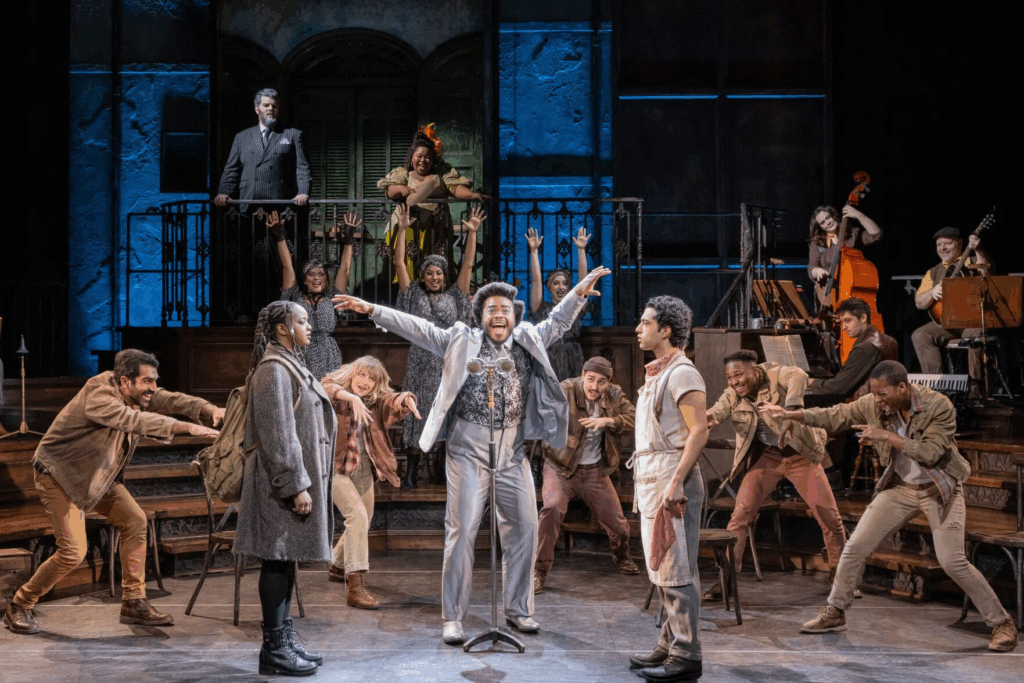
Spiraling down and down, Eurydice comes to make a deal with the devil — Hades himself. Orpheus, dedicated to her in a way that surpasses all hardships, follows her straight to hell. This electrifying dynamic is depicted in the first act’s second-to-last song, “Wait for Me.” As the singer of one of the most popular tracks from the show, Jose Contreras did not disappoint in Orpheus’ enchanting song of hope and romance.
This song brought the most visual change to the stage. Lights dropped down from the rafters, steam rose from the sidelines and backdrops lifted away to reveal the underworld.
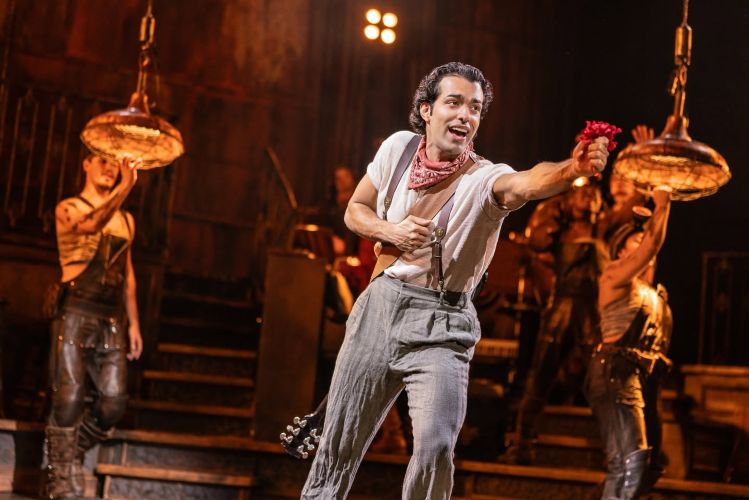
In the underworld, Hades instructs his workers to build a wall, and he rules with an iron fist. Suffering is expected and accepted in his town. Orpheus doesn’t believe that this is the way it has to be. The Fates themselves are against him, but still, he persists. He rallies the workers in “If It’s True.” The song incites change in the face of a ruling class — a message that has stayed relevant in the years since this show was created.
It reflects the increasingly polarizing political spectrum we live in, the rise of big tech and the oligarchs leading it, the global impact on environmentalism and so much more that we experience every day. The political themes of the show have been somewhat diluted as it ascended to Broadway (and I’d encourage everyone to go listen to and read some of the original lyrics to see how they’ve changed) but fundamentally it is still about the power of community in the face of a rapidly changing world order.
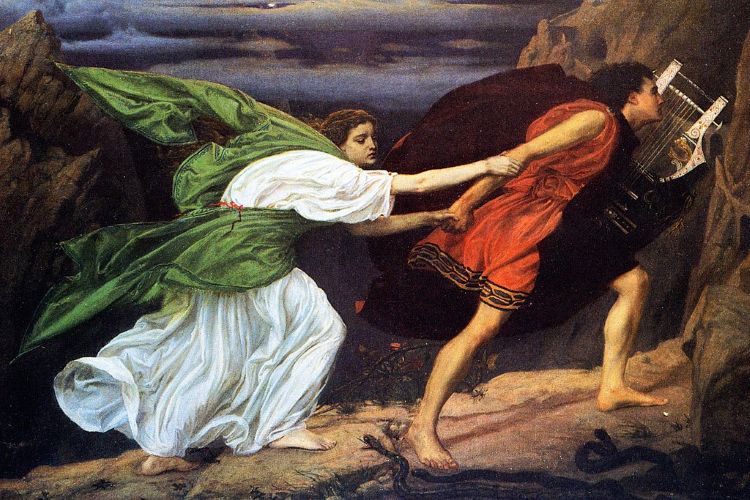
The story of Orpheus and Eurydice is one that has lasted through the centuries. Through many iterations, versions and translations, the ending has stayed the same. Orpheus tries to save Eurydice from the depths of hell, but love is not enough.
Despite this, the tale is one that is told again and again. Its message is everlasting, and its themes reverberate through any who experience it. Both Orpheus and Hades, despite their glaring differences, are changed by the love they experience for Eurydice and Persephone.
The theme of love being more important than one’s own ego and the act of loving being more important than any individual work or man-made problem. Nobody is immune to this regardless of power or status.
For those who aren’t familiar with the tale, the ending is not a happy one. Orpheus convinces Hades to let Eurydice leave the underworld, but through the intricacies of her contract and the ironies of Fate, there are some stipulations. She must trust him to lead them out through a dark passageway. He must trust that she will follow him through that darkness and not look back at her once through the journey. Doubt creeps in, and he turns at the last second.
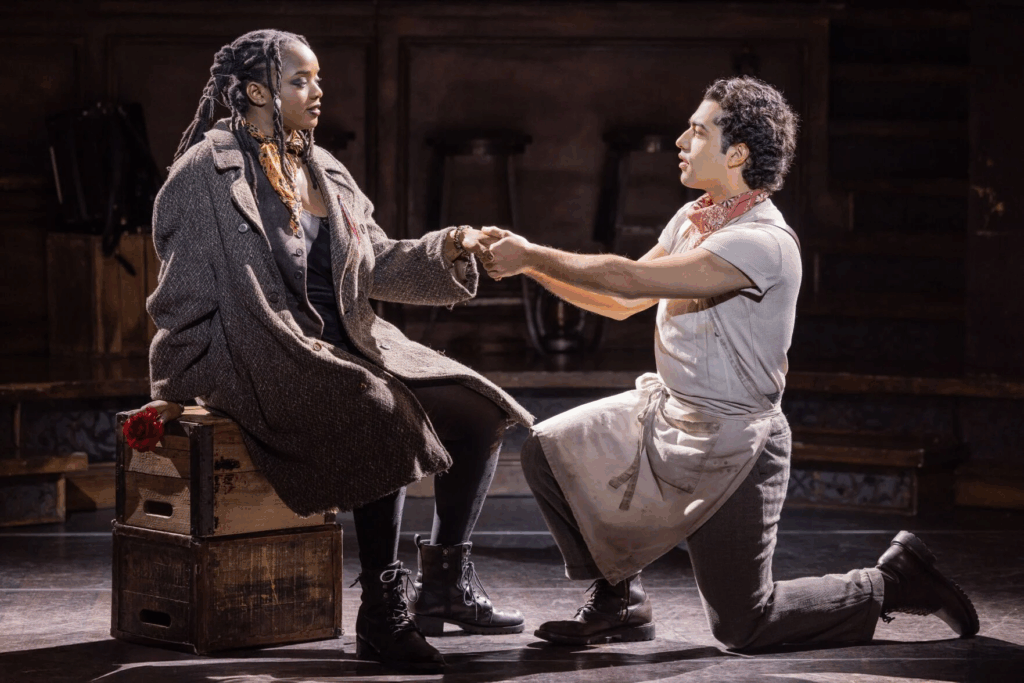
Many people have their own interpretations and explanations for why he turned. One of the most popular ones among fans is that an Orpheus who turns is an Orpheus who loves Eurydice. On the controversial ending that’s centuries old, Farhadi says,
“He turns around because his love for her is his only guiding purpose and the thought of crossing that threshold without her being there is unbearable. He gives in to that need and in doing so, sacrifices both of their chances at leaving the underworld.”
The story is the same, and still they tell it. In the “Road to Hell (Reprise),” they acknowledge this fact, and sing the song all the same. Orpheus could make you see how the world could be, in spite of the way that it is. No matter the tragic end for him or Eurydice, he did all that he could, and that message is one worth singing again and again.
Tweet us on X, @VALLEYmag, with your thoughts on the show! Would you turn around?