
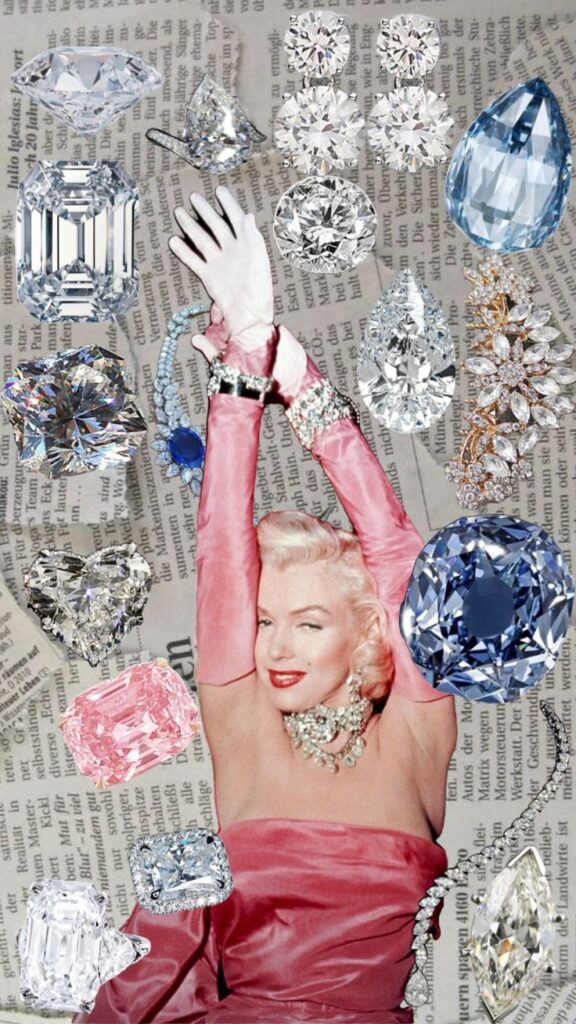
The phrase “Diamonds are a girl’s best friend” has been around for decades, solidifying the diamond as a timeless symbol of devotion and luxury. Valued for their rarity, diamonds are known for their one-of-a-kind charm. However, new technologies are transforming the jewelry industry, leading to the introduction of lab-grown diamonds. Although they are physically identical to natural diamonds, lab-grown diamonds are created in controlled environments, not mined from the Earth. Their rise in popularity has sparked debate nationwide, with many questioning the authenticity of the lab-grown stones and whether they fully embody the sentiment of a diamond.
History of Diamond Advertising
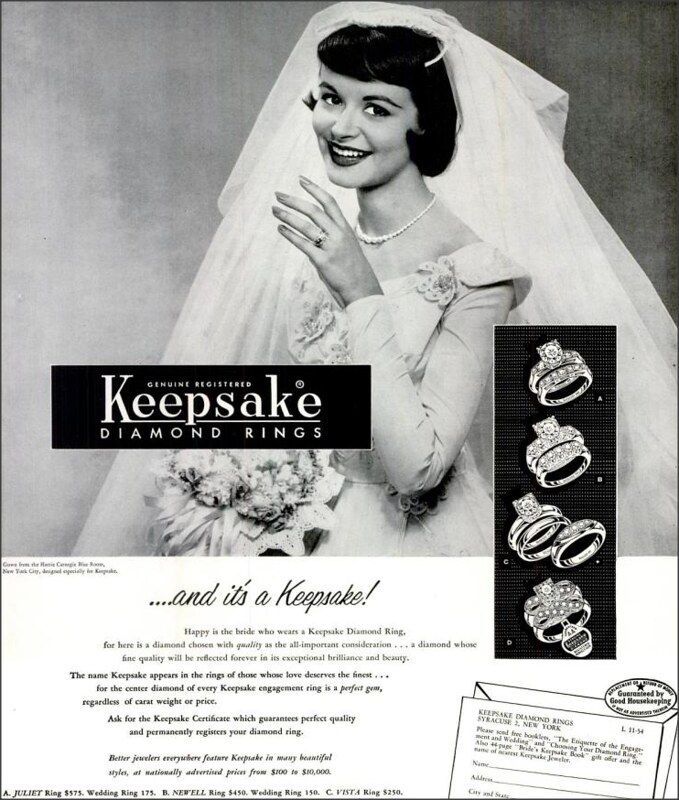
Diamonds are undoubtedly the first choice for engagement rings today, but this wasn’t always the case. In the early 20th century, couples often chose other stones, such as sapphires and rubies. However, the power of marketing changed this forever. Beginning in the 1940s, diamond suppliers were determined to increase profits and make diamonds the ideal gem for couples looking to tie the knot. In 1947, the iconic slogan “A Diamond Is Forever” was officially created, cementing the diamond’s association with eternal love. The campaign was successful, and by 1988, over 80% of engagement rings featured diamonds.
The Rise of Lab-Grown Diamonds
Over recent years, lab-grown diamonds have surged in popularity due to their sustainability and affordability. This is reflected in retail statistics, with Walmart reporting a 600% year-over-year increase in lab-grown diamond sales.
Lab-grown diamonds are created through two scientific processes: chemical vapor deposition (CVD) and high-pressure high-temperature (HPHT). During chemical vapor deposition, a very small slice of diamond is exposed to carbon gases at extremely high temperatures, which eventually crystallize into a full diamond. During HPHT, carbon is pressed using a metal cube and exposed to heat, which forces the carbon to break down and crystallize.
Lab-grown and natural diamonds have almost identical chemical and physical compositions. The primary distinction is that natural diamonds contain small traces of nitrogen, while lab-grown diamonds do not.
One major advantage of lab-grown diamonds is their sustainability compared to traditional diamond mining. The process of natural diamond mining can be grueling and intense, often leading to the excavation of remote land. However, lab-grown diamonds are created in a controlled environment with no environmental disruption.
Lab-grown diamonds are also much more affordable. For example, they only cost around 10% of the price of a natural diamond. This allows couples to invest in other major expenses, such as a down payment or a wedding.

The Timelessness of Natural Diamonds
Although lab-grown diamonds have won the hearts of many, there are still some who remain loyal to the natural stone. A key reason for this is the long-term value of a natural diamond. When selling a natural diamond, sellers can often retain 50% of the stone’s retail price. Conversely, lab-grown diamonds do not hold this resale value, since their availability continues to increase.
Another prominent argument in the lab-grown vs. natural debate is the desire for exclusivity. Every diamond naturally mined is cut and shaped uniquely. Since lab-grown diamonds are produced synthetically, they are not one-of-a-kind. Many people would rather invest in a stone that they know is exclusive to them.
“When it comes to their rarity, they are not the same as natural diamonds, as lab-grown diamonds are in abundance,”- founder of La Joya Jewelry, Nishit Mehta.
Overall, there are several reasons why buying a lab-grown or a natural diamond might be your preference. As the jewelry industry continues to evolve, buyers will need to balance the significance of affordability, rarity and long-term value.
What is your opinion on the lab-grown vs. natural diamond debate? Tag us, @VALLEYmag, and let us know!