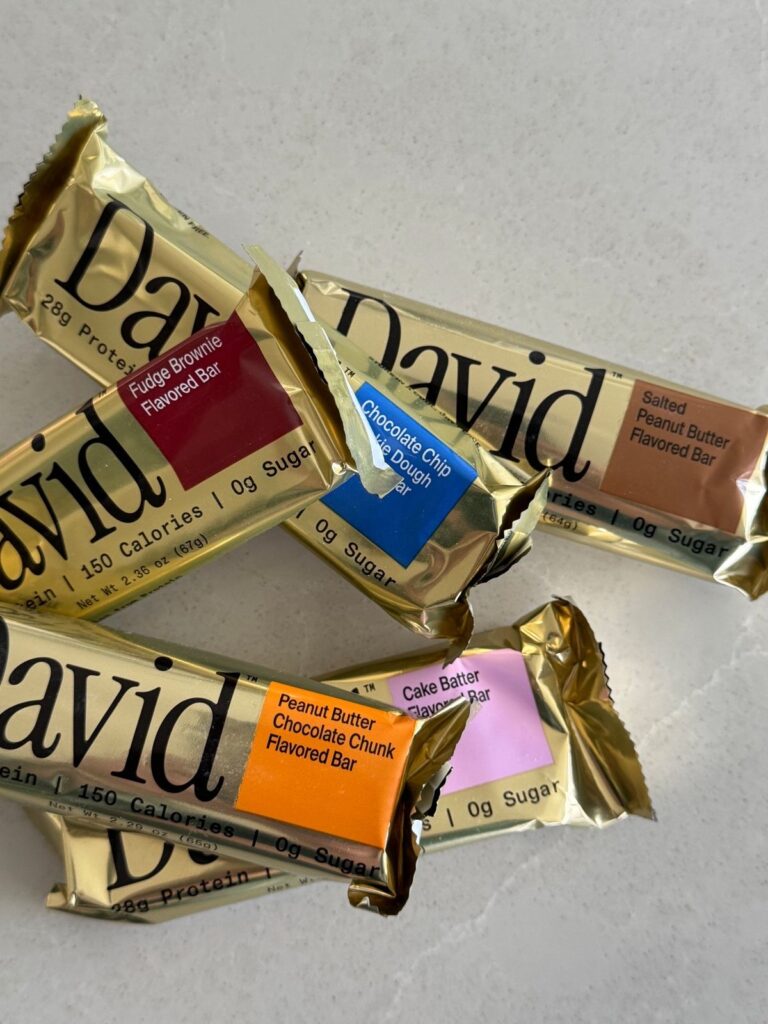
The brand David’s has grown a quick popularity for their too good to be true nutritional information on the back of their protein bars: 150 calories. Twenty-eight grams of protein. Zero grams of sugar. It almost seemed too good to be true. The company has now found itself in the midst of a lawsuit for putting the wrong calorie count on their nutrition labels.
The Lawsuit
The lawsuit started in a New York federal court, where it was claimed impossible for the protein bars to hold such impressive nutritional statistics. After some research, it has been estimated that each bar contains around 260-280 calories per bar. This caloric content runs about 80% greater than their original advertising numbers. Moreover, the real numbers put each bar at the same or higher calorie count than many more affordable protein bar competitors. The research also found David’s falsified the grams of fat contained within each bar.
David’s Response
The company is denying all allegations that its nutrition labels are false. The company has come forward and shared that those in doubt about their labels are miscalculating caloric content and how calories are processed within one’s body. They stated the methods used to calculate their new calorie count do not account for how one’s body metabolizes the calories it consumes.
It is important to note that the Food and Drug Administration guidelines do allow for some leeway in a product’s calorie count. With that being said, the claimed calorie count on David’s protein bars compared to the numbers found in the lawsuit goes far beyond what is allowed to be falsified legally on a nutrition label.
The Image of the Company
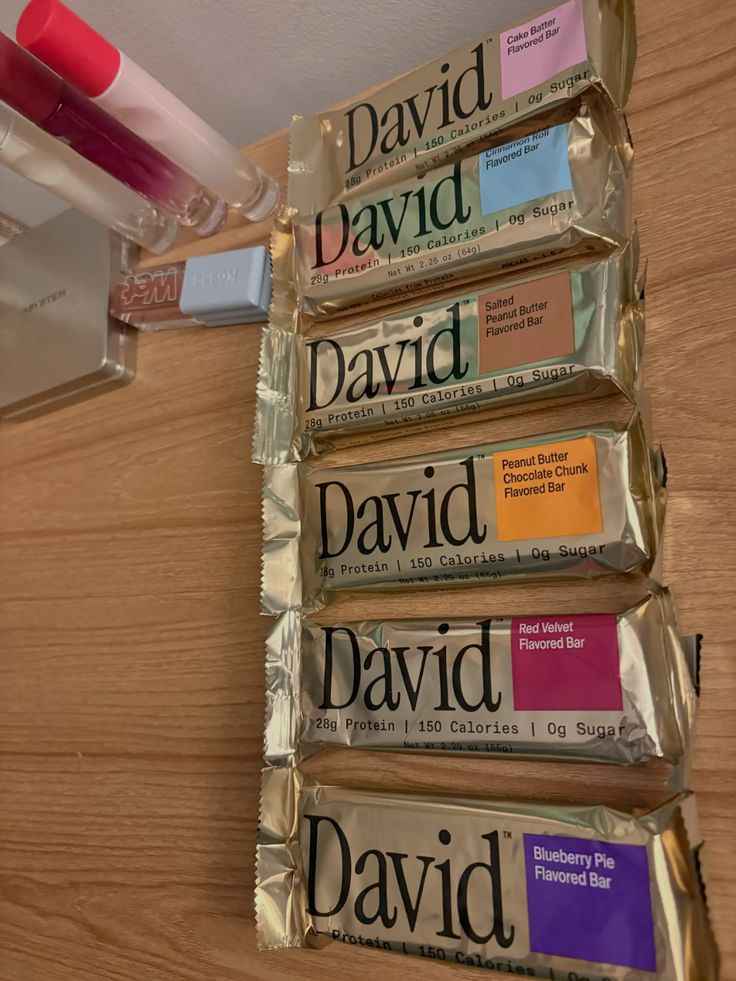
David’s marketing and campaign strategies have always been rooted in their impressive nutrition labels. With this lawsuit arguing against their information, the brand is losing what once made them unique and separate from their competitors.
The scandal holds more problems because David’s is a protein bar company marketed to consumers who are looking to track their nutrition. For many buyers, the nutritional information on the back of these protein bars makes up what they will and won’t eat for the rest of the day. The calories they intake are pieces of bigger nutrition goals they are hoping to achieve. So, when we see such a big company defrauding its consumers and miscalculating their calories, commotion is only bound to arise.
What do you think about the lawsuit? Let us know @VALLEYmag on Instagram!