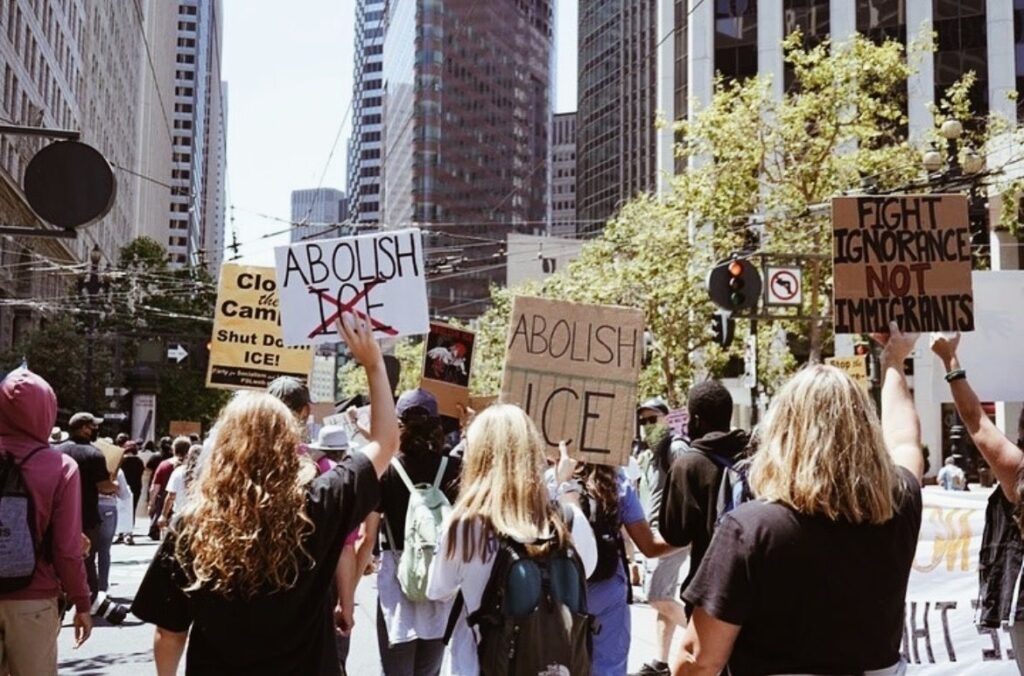
With U.S. Immigration and Customs Enforcement (ICE) dominating the headlines during President Donald Trump’s second term, Americans across the country are organizing under a simple demand: ICE out.
In cities, suburbs and small towns, U.S. citizens are standing with their neighbors and documenting what they say is actually happening on the ground. Armed and masked ICE agents detaining people in broad daylight have become recurring images on social media. Videos show confrontations unfolding in public streets, outside workplaces and in residential neighborhoods.
For many protesters, this moment feels moral, not just political. They argue that the treatment of immigrants — people who bring life, labor and culture to this country — has crossed a line. With an administration deeply saturated with racial hostility, choosing to love one’s neighbor has become an act of resistance.
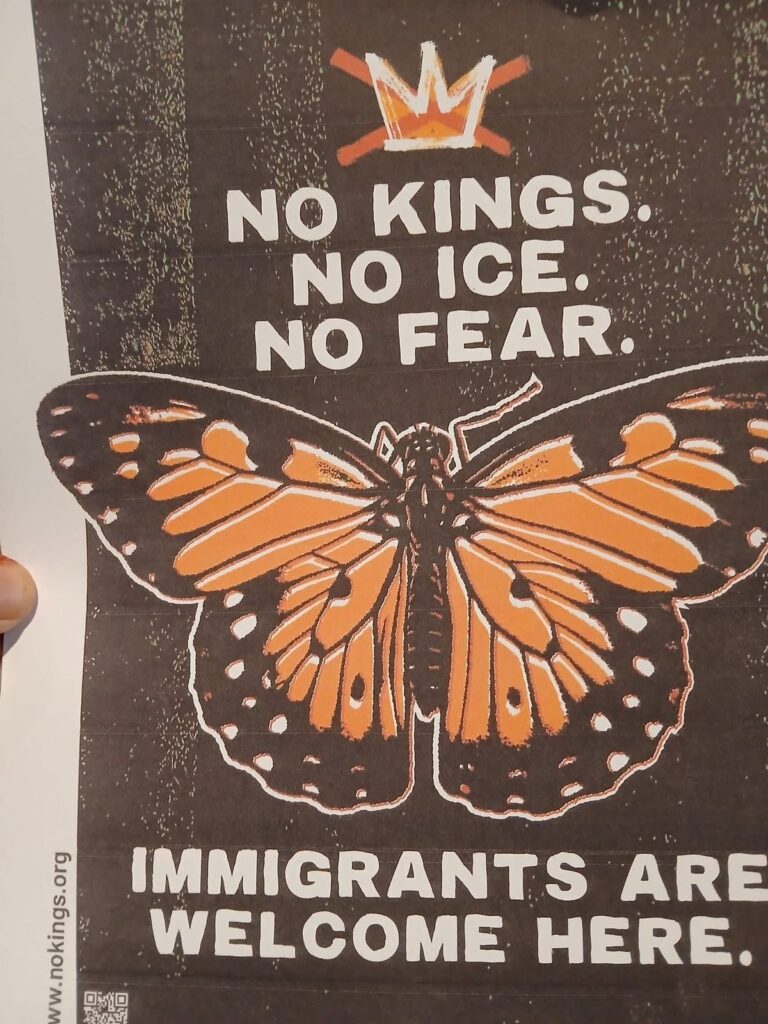
Polls Show Widespread Disapproval
A survey conducted by the Marist Poll in partnership with NPR and PBS found that 65% of Americans believe ICE’s actions have gone too far. Sixty-two percent said ICE’s actions have decreased the safety of Americans and 60% disapprove of the job the agency is doing.
At the same time, the American Immigration Council reports that ICE has expanded its detention system, increasing capacity and broadening enforcement operations nationwide.
The Department of Homeland Security (DHS), which oversees ICE, insists agents are focused on removing undocumented immigrants with serious criminal records. However, according to an internal DHS document obtained by CBS News, less than 14% of immigrants detained by ICE in Trump’s second term had charges or convictions for violent criminal offenses. The same document shows that nearly 40% held no criminal record at all and were only accused of civil immigration offenses.
Critics argue that the Trump administration’s assertions about cracking down on illegal immigration — specifically that they are only targeting what they refer to as “the worst of the worst” — represent a false narrative. In reality, the scope of their actions extends far beyond that description. U.S. citizens have been detained, racial profiling based on accent and appearance is becoming increasingly concerning and due process is being undermined.
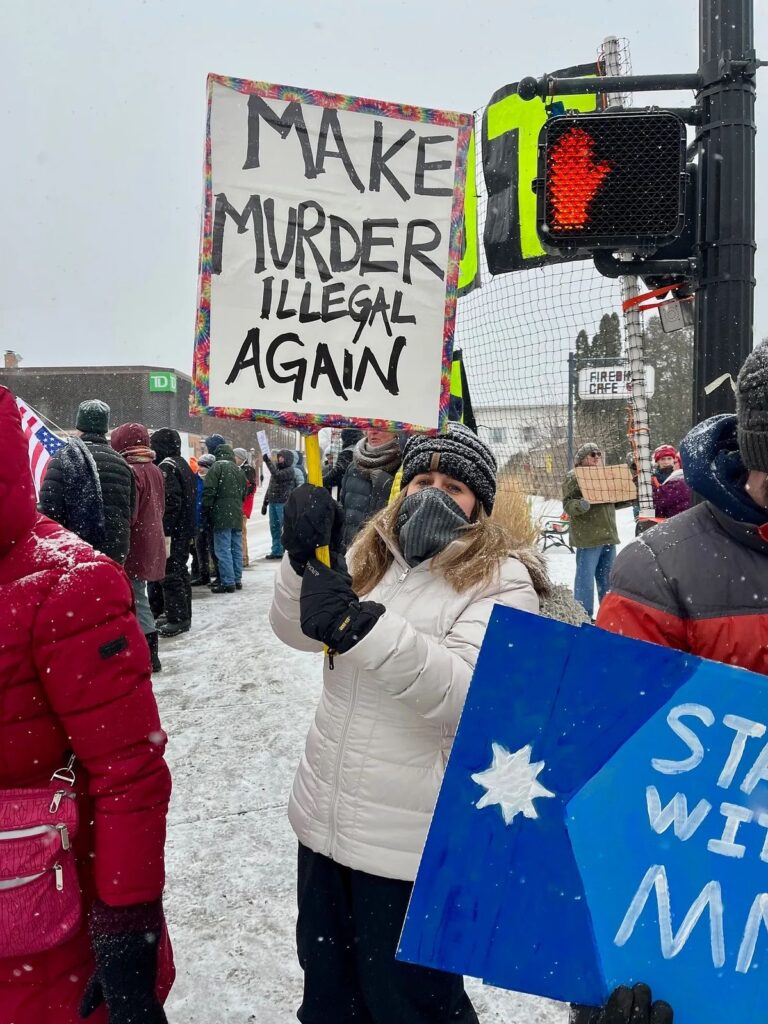
First Amendment Questions and Surveillance Concerns
As more Americans record enforcement actions, civil liberties advocates say some have faced aggression while attempting to document arrests, raising questions about First Amendment protections.
Reporting from The New York Times indicates that the DHS has sent legal requests to technology companies seeking identifying information — including names, email addresses and phone numbers — connected to social media accounts that track or criticize ICE. Officials describe the requests as lawful. Opponents argue they represent intimidation.
Many believe constitutional rights are being tested in real time.
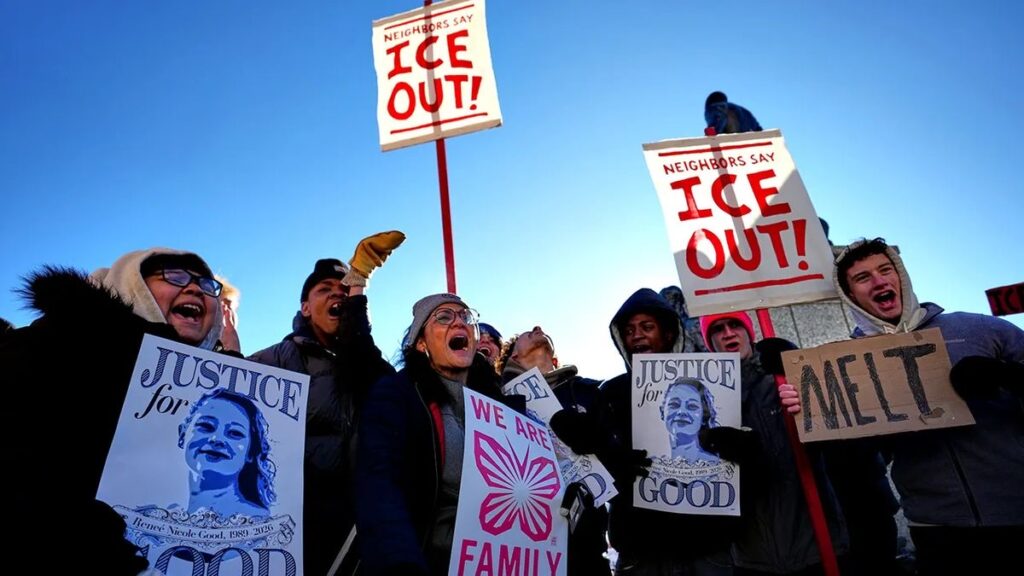
Tragedy in Minneapolis
In January 2026, two fatal encounters intensified national scrutiny.
On Jan. 7, Renee Nicole Good, a 37-year-old mother of three, was shot and killed by an ICE agent while inside her vehicle in Minneapolis. On Jan. 24, Alex Pretti, a 37-year-old intensive care nurse, was also shot and killed in Minneapolis during an encounter involving ICE.
Both were U.S. citizens.
The deaths remain under investigation. For demonstrators, the incidents symbolize enforcement tactics escalating into public displays of violence.

From Exoneration to Detention
In State College, Pennsylvania, another case has fueled outrage.
Subramanyam “Subu” Vedam, a 19-year-old Indian American man convicted in 1980 of the death of his former roommate, Thomas Kinser, spent decades in prison maintaining his innocence. After years of appeals and renewed legal advocacy, prosecutors recently declined to retry him, effectively exonerating him as one of the country’s longest-serving exonerees.
But on the morning of his release, ICE agents detained him, citing his lack of formal U.S. citizenship. Vedam legally immigrated to the U.S. from India as a baby and grew up as a State College resident. He is currently being held at the Moshannon Valley facility in Pennsylvania, as his lawyers work to reopen his immigration case.
Supporters say the sequence of events underscores how immigration enforcement intersects with broader systemic failures in the justice system.
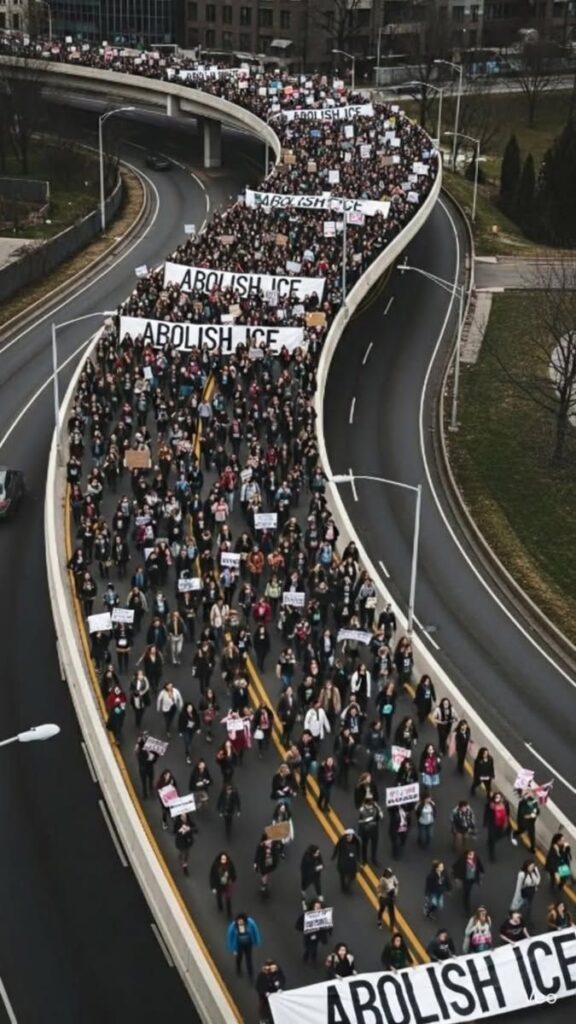
Protests Surge, Faith Leaders Join
Large-scale protests have erupted across the United States. According to data from the Crowd Counting Consortium at Harvard Kennedy School, demonstrations nationwide have increased 133% from 2017 to 2025, reflecting a notable rise during the tumultuous periods of President Trump’s first and second terms.
Religious leaders have joined the movement, bringing congregations into the streets and framing immigration enforcement as a moral issue. Protesters argue that schools, workplaces and houses of worship — previously treated as sensitive areas under earlier federal guidance — should not become sites of arrest.
The Trump administration has argued for expanded legal protections, including broad immunity for ICE officers acting in the course of their duties.
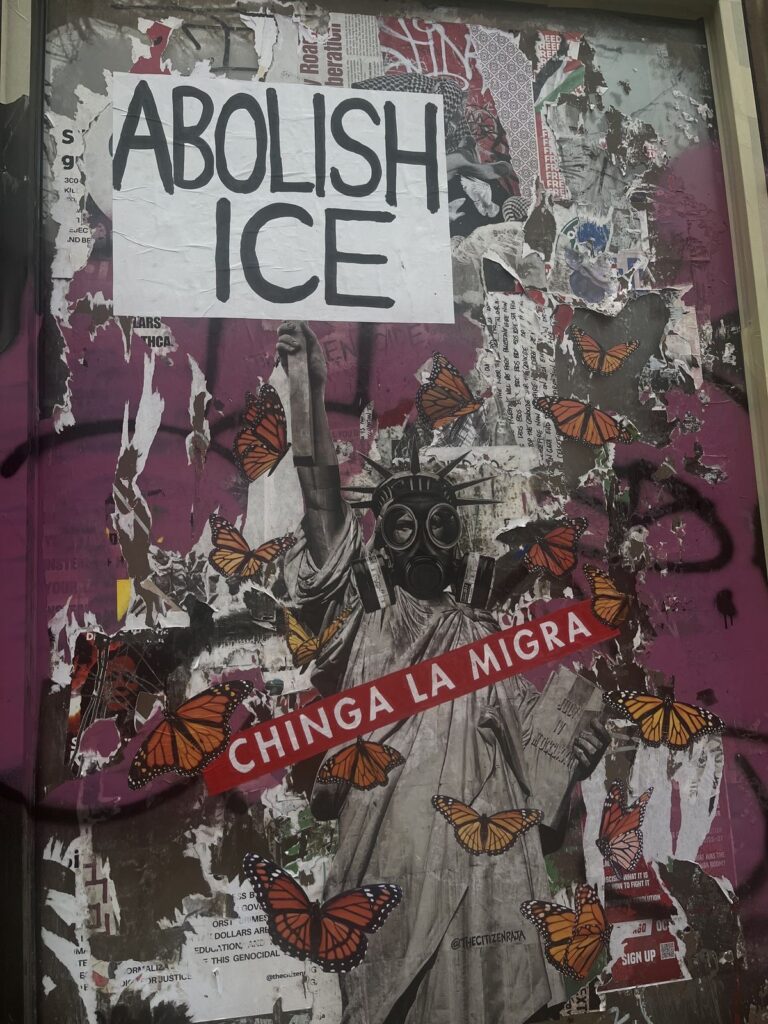
A Call Against Hate
Across rallies and vigils, a common theme emerges: a demand for empathy over fear.
Activists argue that enforcement practices have fueled division, normalized racial profiling and strained the nation’s commitment to equal protection under the law. Whether rooted in constitutional principles or in a broader reckoning with America’s history of exclusion, their message is consistent: community must outweigh cruelty.
There comes a point in every era when a line is drawn — not by politicians, but by ordinary people who decide what they will tolerate.
Across the country, Americans are drawing that line now. They are saying that masked raids in neighborhoods, deaths without answers and detention without dignity are not reflections of strength. They are signs of something breaking.
The call for an ICE out is, at its core, a call for humanity in a system that feels increasingly devoid of it.
What are your thoughts on the people’s demand for an ICE out? Let us know on Instagram or X @VALLEYmag!