If you’re currently reading this—chances are you’re literate! Congratulations, literacy is actually a rarer skill than you may think. According to Regis College, 36 million U.S. adults cannot read or write at a third-grade level, meaning they are functionally illiterate.
Ensuring that everyone has access to education and resources that can help advance literacy rates is already an ongoing conversation and movement, but the next big push needs to be towards advancing media literacy. “Media literacy” is one of those five-dollar phrases being thrown around a lot right now on the internet, but let’s break down and see what it really means, it’s importance and why there’s a lack of it.
Seeing the Subtext
Let’s break down “media literacy” to fully understand what the term is referring to—it’s hard to be media literate when unable to define what the term even means after all.
According to the National Association for Media Literacy Education, “media” encompasses all digital or print means or artistic visuals used to transmit messages: think movies, videos, books, magazines, etc. “Literacy” in this sense is “the ability to encode and decode symbols and to synthesize and analyze messages.”
When combined in the phrase “media literacy” the whole meaning becomes one’s ability to encode and decode the symbols found in media, along with how to synthesize, analyze and produce mediated messages.
Audiences often lack the necessary media literacy skills to fully understand the creator’s message, a popular example of this is the “Avatar” film series. Cameron’s blue aliens are meant to invoke the identity of a native person. Through the loss of their homeland at the hands of advanced technology and white men, he creates parallel narratives; however, most people watch the films for their blockbuster visuals, not understanding the deeper questions on environmental practices or the right to ownership and racial power imbalances.
Modern Minimization of Media Literacy
Whether you enjoy Shakespeare or Spielberg, the ability to read between the lines is what amplifies these works to the status of “masterpiece” rather than just another piece of entertainment. Every great plot-twist or heartwrenching moment is preceded with clues that only the keenest can recognize the first time around—but these missable moments are also what make the piece worthwhile no matter how many times you experience it.
If everything in a show or movie was directly explained to an audience, you’d think it’d be pretty boring, or at least noticeable, right? In an interview with ScreenRant, Matt Damon revealed that Netflix is pushing their writers to repeat important plot points directly in the dialogue; that way, those who are “watching” while on their phones still know what’s going on.
While reiterating the plot doesn’t necessarily negate all worthwhile movie or television moments within a production, it does create less work for the audience. Playing towards a more unaware and unintelligent audience does devalue a piece of media because it lacks trust. Trusting the audience to understand or discover something for themselves is how artists connect with them, and how audiences connect with one another.
Advancing the Audience
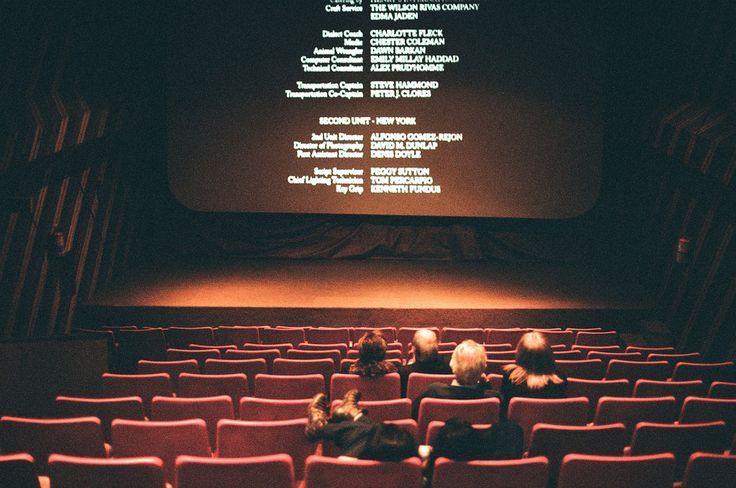
Although this issue of dumbing down media for more passive viewers does need to be addressed by the industry, it also needs to spark action in audiences. Resist the urge to be on two screens at once; let yourself be immersed in whatever media you choose to consume.
If you’re someone who tends to shy away from more complex narratives, watching or reading with someone else can be a great way to advance your comprehension. This way, you always have a built-in person to break down ideas with—although please refrain from doing this in theatres.
Developing any skill takes time and practice—so don’t be discouraged from figuring something out even if you don’t get it on the first watch or read through. There’s no shame in hitting up Sparknotes or even a Reddit thread to help understand any long-winded writer or whatever arthouse film you just finished.
Books and films are art, we give them greater meaning through our own associations; remember a large portion of media literacy comes from your own interpretations and connections.
What book, movie or show do you think people just aren’t getting? Let us know @VALLEYmag on X!




Today, I went to the beach with my children. I found a sea shell and gave it to my 4 year old daughter and said “You can hear the ocean if you put this to your ear.” She put the shell to her ear and screamed. There was a hermit crab inside and it pinched her ear. She never wants to go back! LoL I know this is entirely off topic but I had to tell someone!
I like this web site very much, Its a real nice place to read and obtain info .
F*ckin’ remarkable issues here. I am very happy to peer your post. Thank you so much and i am looking ahead to contact you. Will you please drop me a e-mail?
Thank you for the auspicious writeup. It if truth be told was a enjoyment account it. Glance advanced to far added agreeable from you! However, how can we communicate?
You have brought up a very superb points, thankyou for the post.