
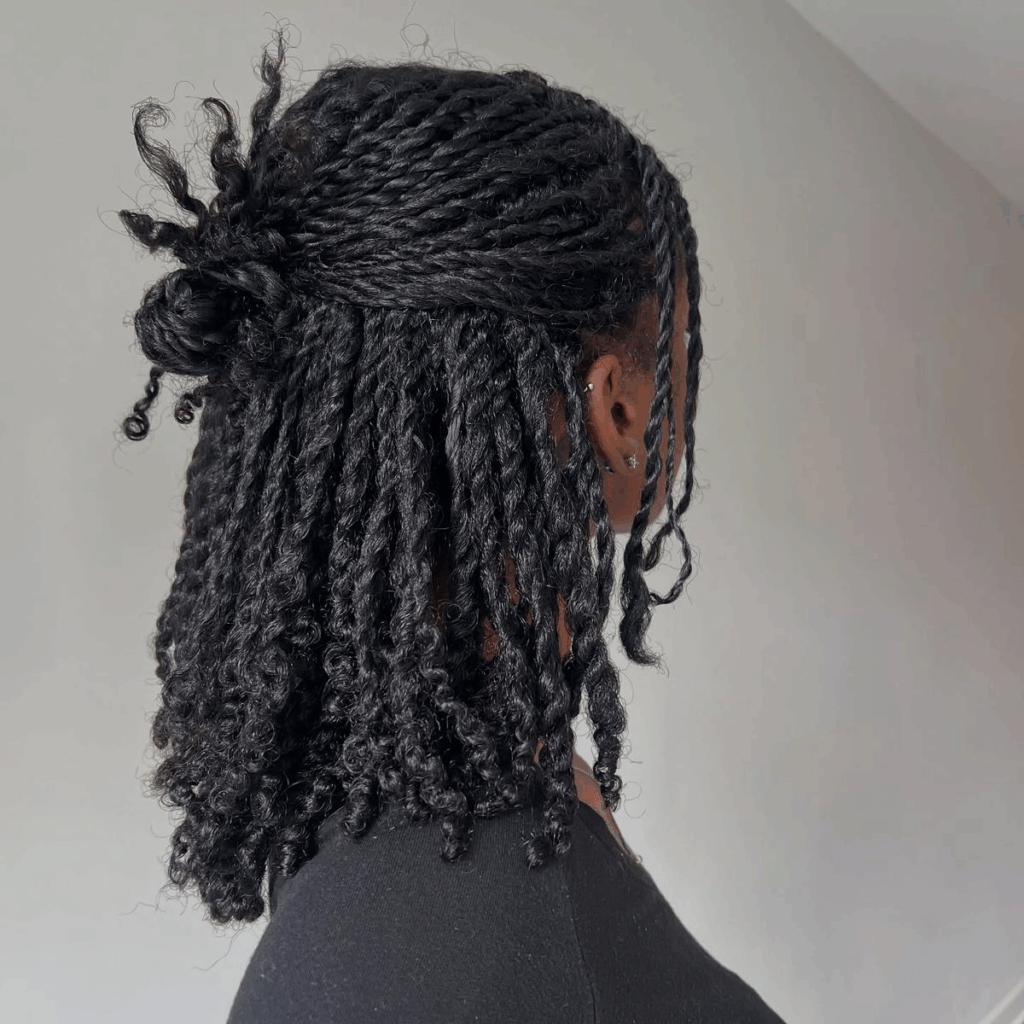
Workplace rules and social norms can be ambiguous to fresh grads and even established professionals. Nobody can agree on what “business casual” actually is and whether jeans are appropriate in the office or not. It’s easy to find yourself scrolling for hours trying to find the perfect internship outfit inspo only to see thousands of conflicting opinions. However, it’s even more difficult to know which hairstyles are “acceptable” in the workplace, and it is often directly related to discrimination. VALLEY got a chance to speak with a student about the passing of the Pennsylvania CROWN Act and her natural hair journey.
Protection for Pennsylvanians
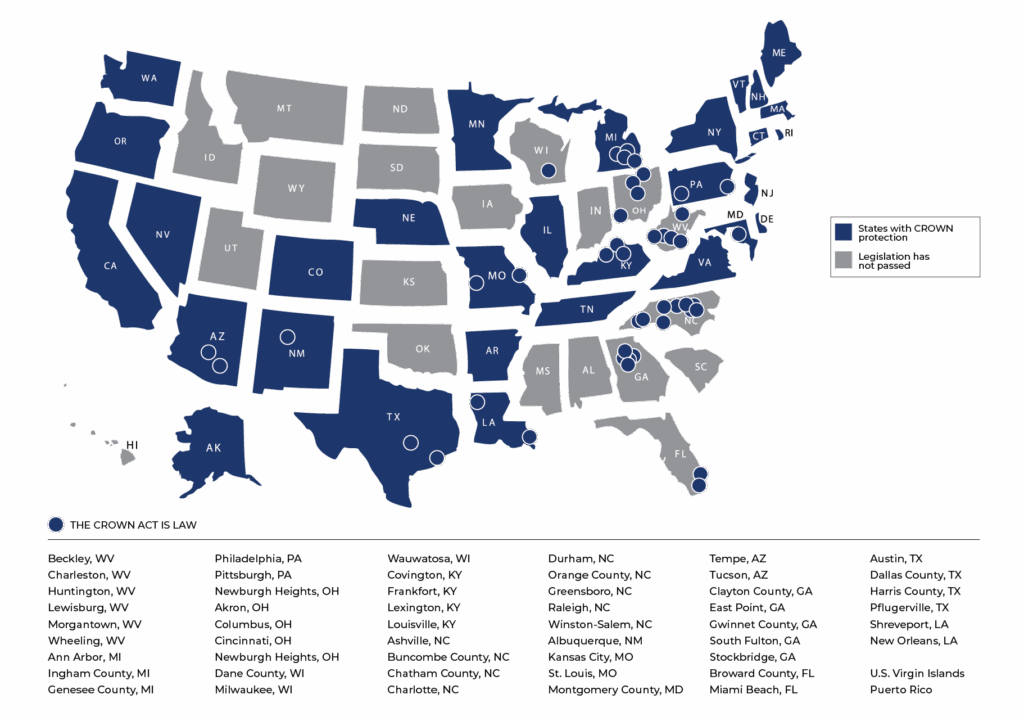
Pennsylvania’s CROWN Act went into effect on Jan. 24, and now, the legal definition of race is expanded to include hair texture and protective styles. The CROWN Act stands for Creating a Respectful and Open World for Natural Hair, and this even includes head coverings and hairstyles associated with someone’s religion. Pennsylvania is following in the footsteps of many other states that have passed this legislation.
Naturally Beautiful
Mekaeli Cox, a third-year majoring in Human Development and Family Studies and minoring in American sign language and child maltreatment and advocacy studies, started her natural hair journey about a year ago. She used to wear wigs or change her hair in other ways to prevent discrimination, but her roommate convinced her to start “locking” her hair. Locs have deep historical and cultural roots, but according to Cox, more people have started locking their hair despite negative stereotypes of it being “dirty” or “unprofessional.”
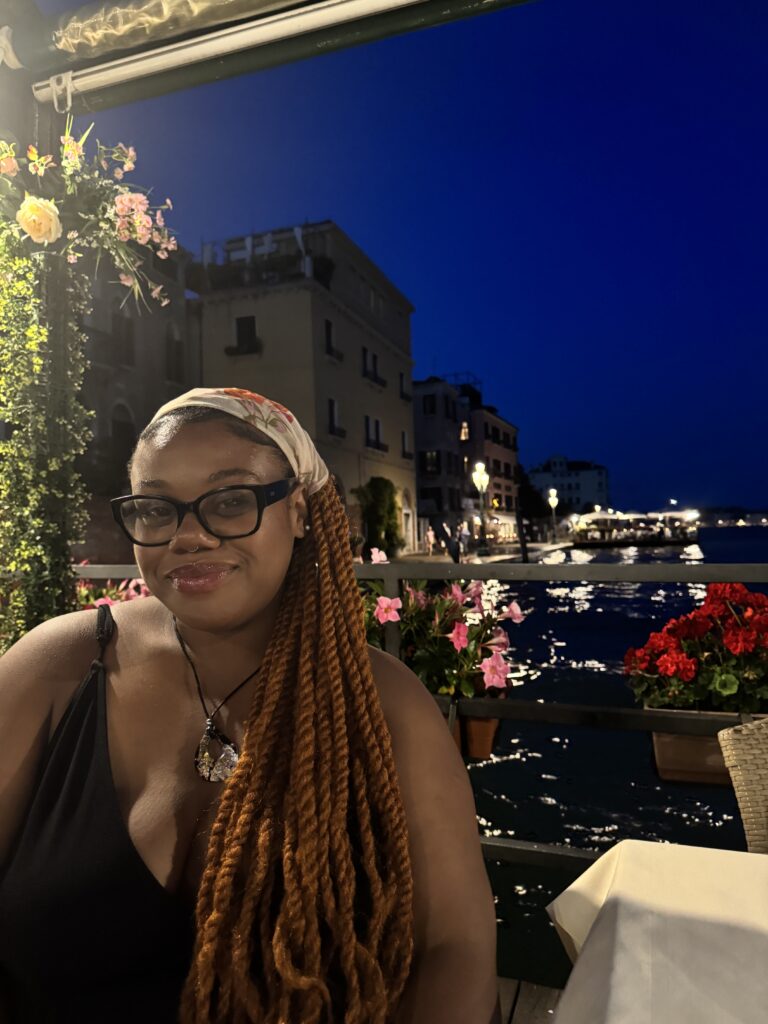
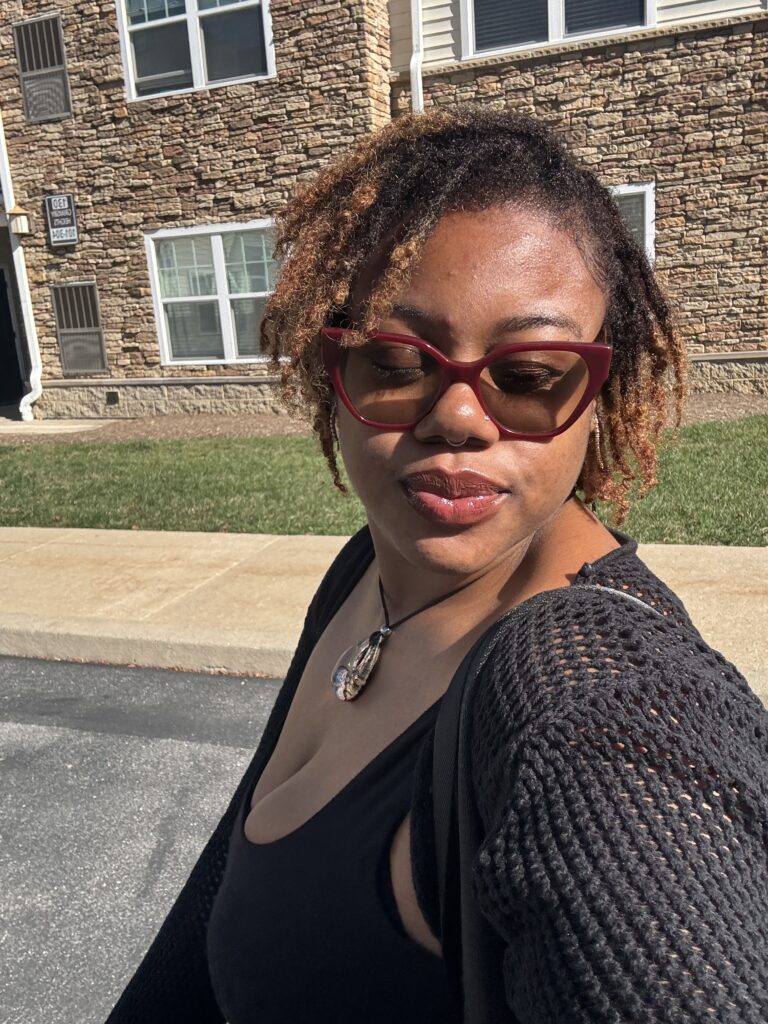
“It’s important to prioritize yourself and how you’re feeling about your hair and the relationship that you have with your hair,” Cox says.
Cox explained that Black women are commonly the target of criticism for how they present themselves in the workplace. According to The 2023 CROWN Workplace Research Study, more than 20% of Black women between the ages of 25 and 34 have been sent home from work because of their hair, and approximately two-thirds of Black women change their hair for a job interview.
“I have to remember that, you know what, this is my hair and just like other people wear their hair, I should be allowed to wear my hair the way that it is naturally and not be ashamed about it,” Cox says.
Looking to the Future
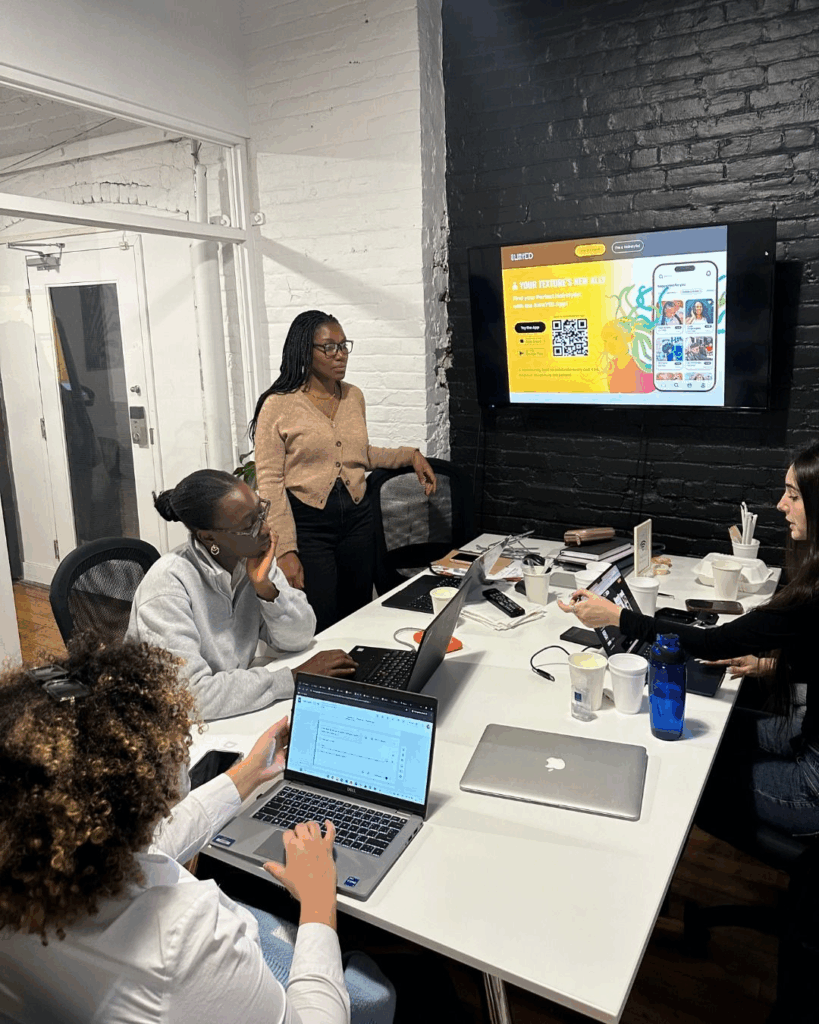
As students enter the workforce, there are many things to consider when choosing an employer. Antiquated rules for professionalism are going by the wayside in favor of authenticity and inclusivity. Cox says that she is focused on finding a professional environment where her hair and identity are celebrated instead of looked down upon.
“If my hair is a problem in a professional setting, that’s not the professional setting for me,” Cox says. “I want to be in a professional setting that takes me as I am and at my truest self.”
Pennsylvania isn’t the first state to pass the CROWN Act, and it hopefully will not be the last. Cox says although the act may not immediately eliminate biases, legislation is a good step forward and creates accountability.
“I hope it has the impact that it intends to,” Cox says. “I hope that people take it seriously and that it changes the minds of people who might have biases against natural hair.”
What are your experiences with hair in the workplace? Let us know @VALLEYMag on Instagram or X!



Dead indited subject material, Really enjoyed looking through.
You have brought up a very wonderful details , thankyou for the post.
I discovered your blog site on google and check a few of your early posts. Continue to keep up the very good operate. I just additional up your RSS feed to my MSN News Reader. Seeking forward to reading more from you later on!…
I was curious if you ever considered changing the structure of your blog? Its very well written; I love what youve got to say. But maybe you could a little more in the way of content so people could connect with it better. Youve got an awful lot of text for only having one or two images. Maybe you could space it out better?
A person necessarily lend a hand to make seriously articles I would state. That is the very first time I frequented your website page and so far? I amazed with the analysis you made to create this actual put up extraordinary. Excellent process!
I respect your work, appreciate it for all the interesting blog posts.