The Trump Administration’s “One Big Beautiful Bill Act” (OBBA) has placed limits on federal student loans for graduate degrees. This means nursing degrees will no longer be classified as ‘professional.’ While the Department of Education (DoE) has supported the move, students and nursing associations have shown concern over how the proposal will affect future outcomes for professionals and the healthcare system as a whole.
VALLEY sat down with a working health professional to get their perspective on the matter.
The Reclassification
According to the DoE, the proposal is meant to drive down the costs of graduate programs, thus reducing the amount of debt students take on. Under the Act, nursing degrees have been redefined, no longer considered as ‘professional degrees.’
The limits are generally not expected to affect undergraduate students.
A number of other degree programs, including but not limited to, Pharmacy (Pharm. D.), Optometry (O.D.) and Medicine (M.D.), remain eligible for higher funding.
What This Means For Students
Because the proposed definition caps the amount of money students can borrow, experts are concerned that this may limit the number of students who actually apply to nursing programs.
The lending limits may also place a bigger strain on students of low-income backgrounds, who rely heavily on federal loan assistance to pay for their education.
Still, the DoE has handed responsibility back to institutions of higher education, hoping that they will lower their tuition to somehow help accommodate the lack of student funding.
The Impacts on the Healthcare System
The American Association of Colleges of Nursing (AACN), as well as several nursing associations across the country, have expressed concern. While the proposal is expected to positively impact graduate students, experts have warned it may contribute to the nationwide nursing shortage.
Jenia Joseph, BSN-RN-PHN at Kaiser Permanente, told VALLEY, “Nurses are the foundation of the healthcare system … Less people will get the degrees and go into the profession with an even more nursing shortage.”
Nurses remain the largest component of the U.S. healthcare workforce, being the primary providers of hospital patient care and delivering most of the country’s long-term care.
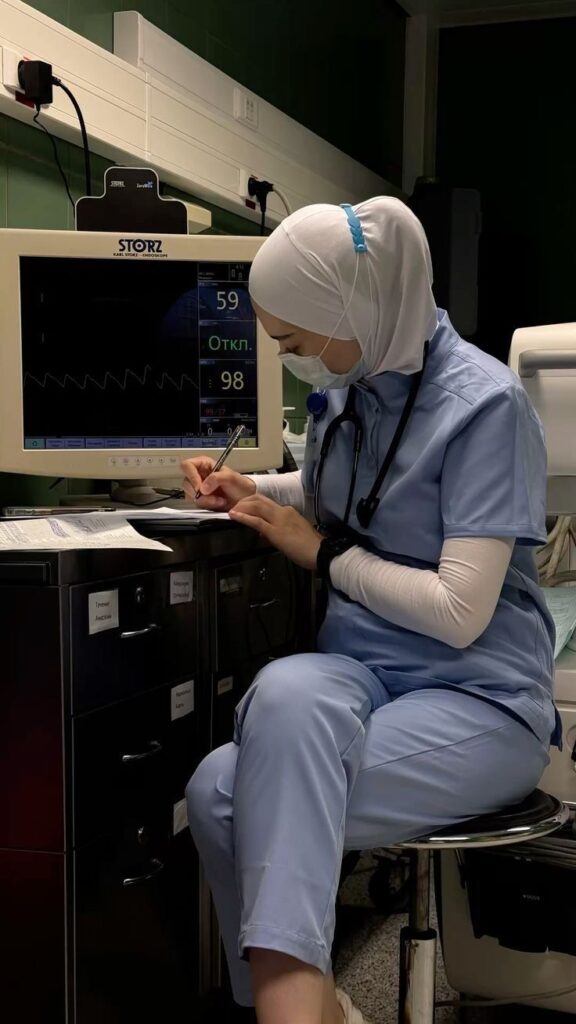
The reclassification of nursing degrees threatens to deepen the already strenuous work nurses have to handle: working long hours, dealing with disrespectful patients and their families or pushing for recognition of their work.
It’s the fact that nurses continuously have to fight to be heard regarding getting the pay we deserve, as well as having safe staffing for better quality patient care.
Assessing Equity and Access
Critics of the OBBA say that the Department of Education’s move is one that impacts a predominantly female-dominated field. Currently, women account for 88% of nurse practitioners, while 84% of women are students in Master of Social Work programs. Moreover, 56% of healthcare support occupation workers are people of color.
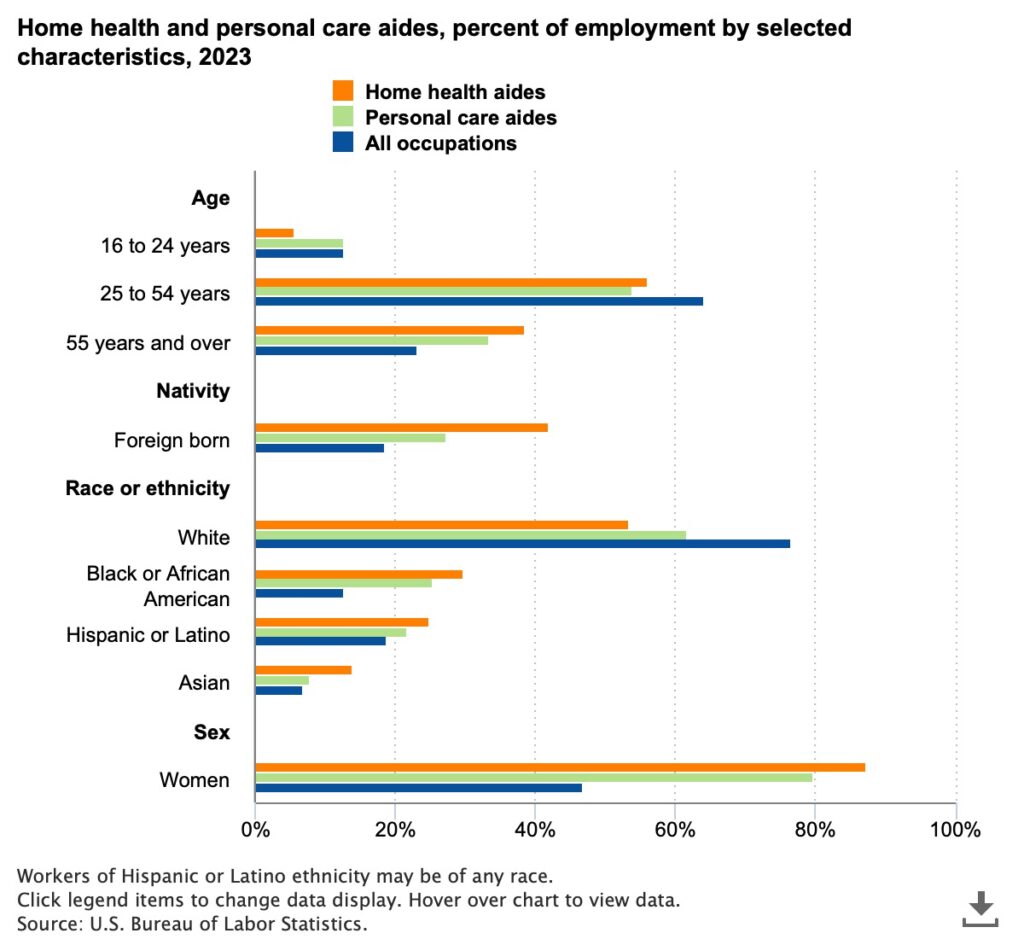
Skeptics question whether the proposal will inadvertently and disproportionately affect female and minority students who are looking to go into essential fields like nursing, social work and education in the long term.
The Backbone of Healthcare in America
To Joseph, the decision represents a disregard for the nursing community:
Nurses are already not seen as serious by being outshined by physicians and other healthcare professionals [despite] being the mediator between the patients and the physicians.
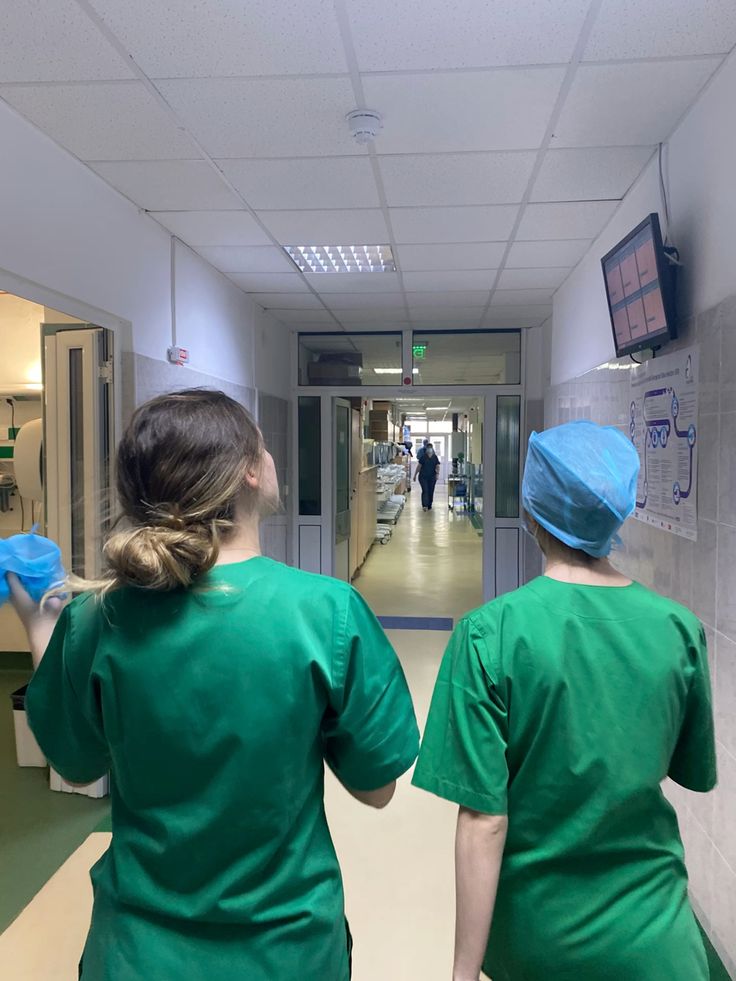
While the DoE insists reclassification doesn’t undermine the value of the importance of programs, professionals like Joseph see things differently. She highlighted the potential for double standards.
“We think it’s unfair how other non-healthcare professionals are considered ‘professional,’ when they don’t display such [professional] behavior when they are at work,” while nurses face a greater risk of being easily fired for setting harsh boundaries with disrespectful patients.
To no longer be considered ‘professional’ yet to expect professionalism displays a dichotomy that goes beyond educational opportunity. It sends a message — even if unintended — that America’s nurses are not valued.
Let us know your thoughts by tagging @VALLEYmag on X!



I delight in, lead to I discovered exactly what I used to be having a look for. You have ended my four day lengthy hunt! God Bless you man. Have a great day. Bye
I don’t even know how I ended up here, but I thought this post was good. I don’t know who you are but certainly you’re going to a famous blogger if you are not already 😉 Cheers!