There are hundreds of quintessential coming-of-age movies and books that seem like a prerequisite to becoming a “real” adult. Before even reaching one’s tumultuous 20s, young people are inundated with conflicting life advice. Romanticized versions of high school and college through different movies, tv shows and books can either help young adults understand the world around them, or set unreasonable expectations for their own lives.
“The Little Prince” by Antoine de Saint-Exupéry is a French children’s book that is beloved by many because it tackles big ideas in a whimsical way. Here’s why living like “The Little Prince” can guide you through not just your 20s, but the rest of your life.
Who is The Little Prince?
The story follows a pilot who crashes his plane in the Sahara Desert and discovers the Little Prince, who is from a different planet. The pilot learns about the Prince’s journeys to other planets and the different people and creatures he meets. The Prince is curious, emotional and reflective. He struggles with maintaining his relationships with others and going out and exploring the world (much like college students).
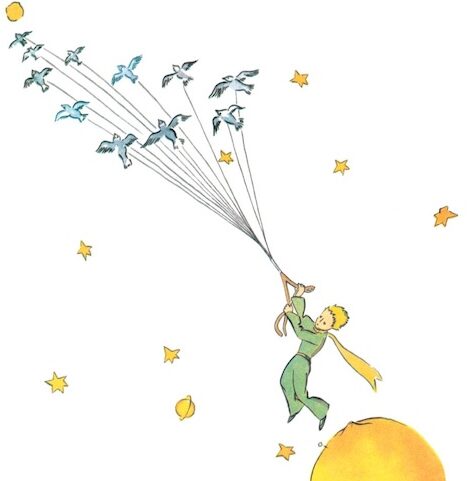
Although it was published in 1943, many of the themes and social commentary are still relevant today. There’s a comfort in knowing that many of the experiences of growing up haven’t changed, even when the whole world has.
The Prince’s Guide to Growing Up
Since its publication, there have been many thought pieces and adaptations of the novella. The most relatable messages for those in their 20s are about meeting new people and changing as you get older.
The Prince meets many people throughout his journey to different planets, like “The Vain Man” and “The Tippler.” Often materialistic and selfish, the archetypal “grown-up” characters and the Prince’s negative opinions of their traits define the core messages of the story.
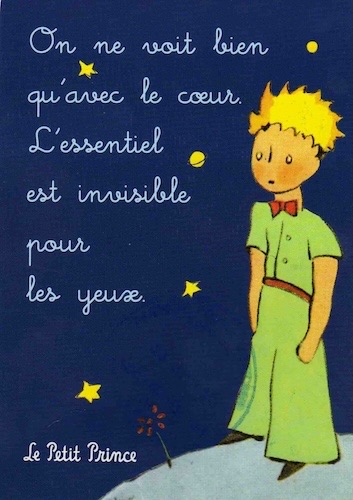
One of the most famous quotes from the book is, “Anything essential is invisible to the eyes.” Although there are many different translations, the idea is that the most important things in life aren’t material items. Oftentimes, it’s the relationships we have with our family, friends and partners and the time we spend taking care of those relationships that make them valuable.
Part of growing up is shedding immaturities to become more “adult.” This means being less selfish, impulsive and reactive. Remembering how strong emotions felt when you were young and how every life event felt like the end or the beginning of something can be embarrassing. However, as people get older, they tend to lose positive traits that strengthen communities, like curiosity and kindness. Becoming more narrow-minded and less empathetic are seen as normal parts of aging, but it doesn’t have to be. Learning from and living like the Prince can ease the challenges of getting older.
Living Like The Little Prince
It’s easier than ever to get worn down by the world and grow harsh and success-obsessed. The pressure to have everything figured out at a young age (your major, post-grad plans or relationships) can lead to constant confusion or stress.
Living like “The Little Prince” can mean picking up your favorite childhood book, learning about parts of the world that you’ve never heard of or being open to new perspectives. Maybe having more honest yet vulnerable conversations with your loved ones can strengthen your relationships. Take time to do anything that prevents you from becoming one of the stereotypical “grown-ups.”
Find your essential (yet invisible) parts of life that make it meaningful and use that as your compass to navigate the next few years. Reevaluating your essentials doesn’t mean you’re lost; however, you may just need to change the course of your journey. This is the prime time to explore and experience life, so go out there and do it!
Have you read “The Little Prince” or any other children’s book that you use as a guide to life? Let us know @VALLEYMag on Instagram or X!