

The purpose of creating media no longer lies in the art of creation itself, but in the number of eyes that fall upon the result. Whether or not the work appeases critics or other artistic elites matters little in comparison to its success in sales. These numbers – and their financial translation – reflect where audiences’ attention falls.
As inherently self-preserving creatures, humans naturally want to see their traits reflected in thriving characters. Audiences want to ensure that they are not alone when experiencing negative emotions. The algorithm that controls what appears on social media feeds off of this selfishness.
The Internet’s Echo Chamber
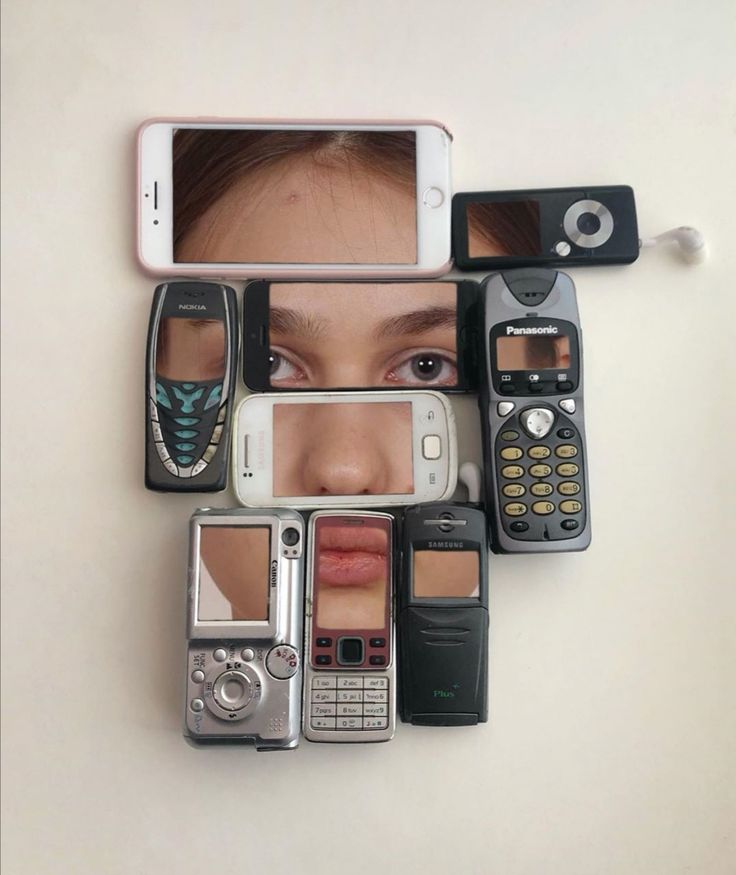
Relatable is one of the internet’s favorite buzzwords. It is consistently seen across platforms in comment sections, hashtags, etc. One of relatability’s main appeals lies in its ease. Watching a video or reading an article that aligns with your worldview does not challenge you. Without any perceived obstacles, media consumption becomes thoughtless and repetitive.
By pushing more and more content that the viewer is interested in, the algorithm continually cements their perspective without allowing space for alternative ideas. This relatability feedback loop creates a bubble in which the viewer is always right. To pop this bubble would be to deflate their ego, so most don’t view consuming relatable content as problematic.
Relatability confirms an individual’s solipsism. Solipsistic theory, a philosophical phenomenon, claims that the self is all that can be known to exist. This self-serving mindset defines modern American culture.

The nation has long adhered to individualism rather than collectivism. Americans prioritize values like independence and individual freedoms over unity and equality. The mirroring nature of relatability originates within this individualistic ideology of self-preservation. Unbeknownst to prescribers of this notion, many further purposes exist beyond finding internal relations within the media.
Reading Beyond the Self
Should relatability be the yardstick on which to judge a work’s merit? Despite its exclusion of alternative perspectives, relating to a character is one of the pleasures of consuming media. Identification is a tool often used to draw people into a work, however, a deeper meaning or purpose should always exist in addition to this initial interest.

This purpose helps to expand perspective, which should be the reader’s goal when consuming media. To craft a quality argument, more than one perspective must be understood. If all sides are considered, the argument is less likely to be refuted and the most well-thought out option will be chosen. Only considering aspects of media that are relatable ignores vital viewpoints from those with differing identities and opinions.
If relatability continues to be synonymous with likeability, then innovative and boundary-pushing ideas and identities will fall to the wayside. Especially when the political administration is pushing for the eradication of DEI initiatives, understanding the value of multiple perspectives is essential. If the world is to become more humanitarian, we must expand our perspective beyond the relatable.
Share your unique perspectives with VALLEY on Instagram @VALLEYmag.




Excellent read, I just passed this onto a colleague who was doing some research on that. And he just bought me lunch as I found it for him smile So let me rephrase that: Thanks for lunch!
What i don’t realize is actually how you are not really much more well-liked than you may be now. You are so intelligent. You realize thus considerably relating to this subject, produced me personally consider it from a lot of varied angles. Its like women and men aren’t fascinated unless it is one thing to accomplish with Lady gaga! Your own stuffs great. Always maintain it up!
I feel this is one of the such a lot important information for me. And i am satisfied reading your article. However want to observation on some general issues, The web site taste is ideal, the articles is in point of fact excellent : D. Good job, cheers
I’m really loving the theme/design of your weblog. Do you ever run into any browser compatibility problems? A couple of my blog audience have complained about my website not working correctly in Explorer but looks great in Firefox. Do you have any advice to help fix this issue?
I like this blog very much so much good info .