
Now more than ever, phones have become more than just a means for communication or connection. Phones are the life of anyone in today’s society, especially teens and college students. Whether it be using a phone for leisure and social media or needing it to complete daily tasks — society has been wired to require everyone to stay active and up to date on their cellular device. The problem thickens when the need for a phone becomes constant. It’s almost like you cannot spend time without it. When you are separated from your phone, you can feel the detachment and void.

Phantom Phone Syndrome or Phantom Vibration Syndrome (PVS) explains this void in full throttle. PVS is the sensation where a person can hear false notifications coming from their phone. In other words, it is the hallucination of alerts coming from your phone, which leaves a person in a constant state of thinking their phone is buzzing or requiring their attention.
Causes
In most cases, Phantom Phone Syndrome is rooted in a person’s addiction to their phone. When in a constant state of checking notifications, it becomes a repeated practice for the brain. Because of this, over time, the brain will develop a habit of thinking alerts are coming in. However, the reality is that most of the time, there is nothing that requires attention coming from our cellular devices, it’s a hallucination. Minor noises, like hearing a scratch or environmental noises, will start to become processed as notifications coming in from a technological device. A lot of the time, it can be easily identified that these noises are not our phones, but our brains have become wired to forcefully consider it may be and allow ourselves to check our phones.

PVS in practice
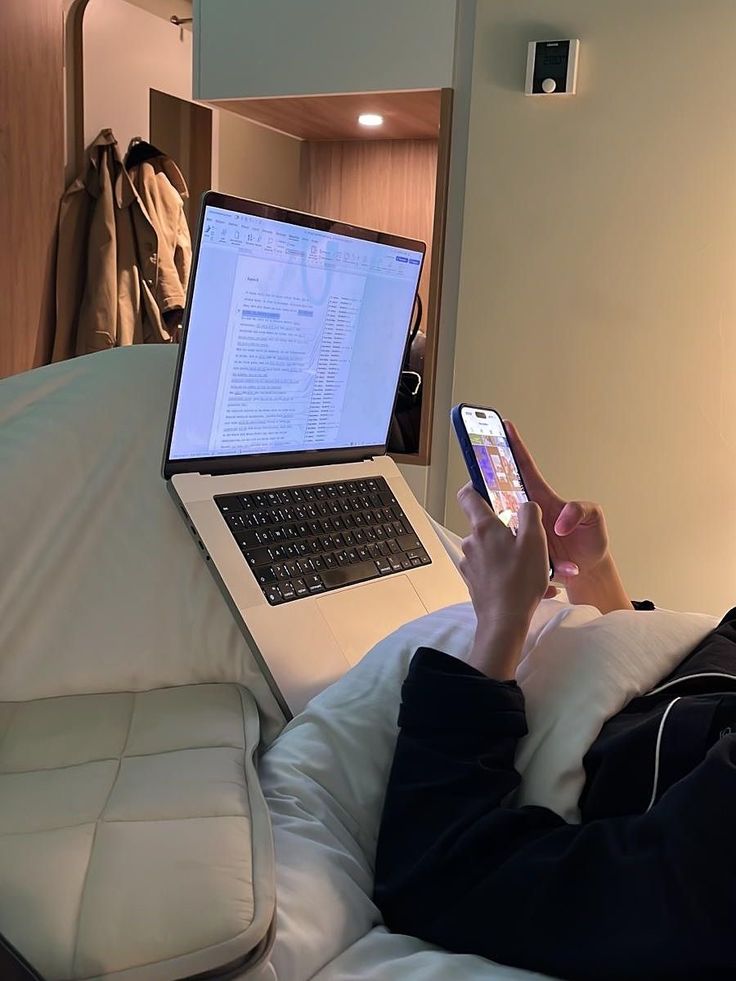
The obvious problem is seeing future generations’ addictions to their phones only get worse. More than just checking your phone when hanging out with friends, PVS can cause interruptions that will become harmful to a person’s routine activities. PVS makes studying and being able to focus attention on school much harder. Students are having a harder time setting aside dedicated time for schoolwork without hallucinating false alerts from their phones. Once the phone is picked up, despite seeing no notifications that need attention, it is easy to just shift your attention to your phone and lose sight of the original task that was being done. This same cycle can start to harm sleep schedules and focus in class lectures.
Fixing the problem
The first step in fixing the problem is addressing it is there. Once a sense of awareness is formed, become alert and aware every time you think of reaching for your phone. Is it really necessary? This form of self-discipline can allow for more quality time to the tasks that should be done instead of doomscrolling. In an effort to solve phone addictions, the company BRICK has created a device that helps users get off their phones. The device allows you to choose apps that cannot be used during the chosen hours of the day. If users need access to the app, they must physically get up and find the BRICK device. This reiterates the self-discipline to stay off your phone when it is not the right time.
Have you experienced Phantom Phone Syndrome? Let us know @VALLEYmag on Instagram!