
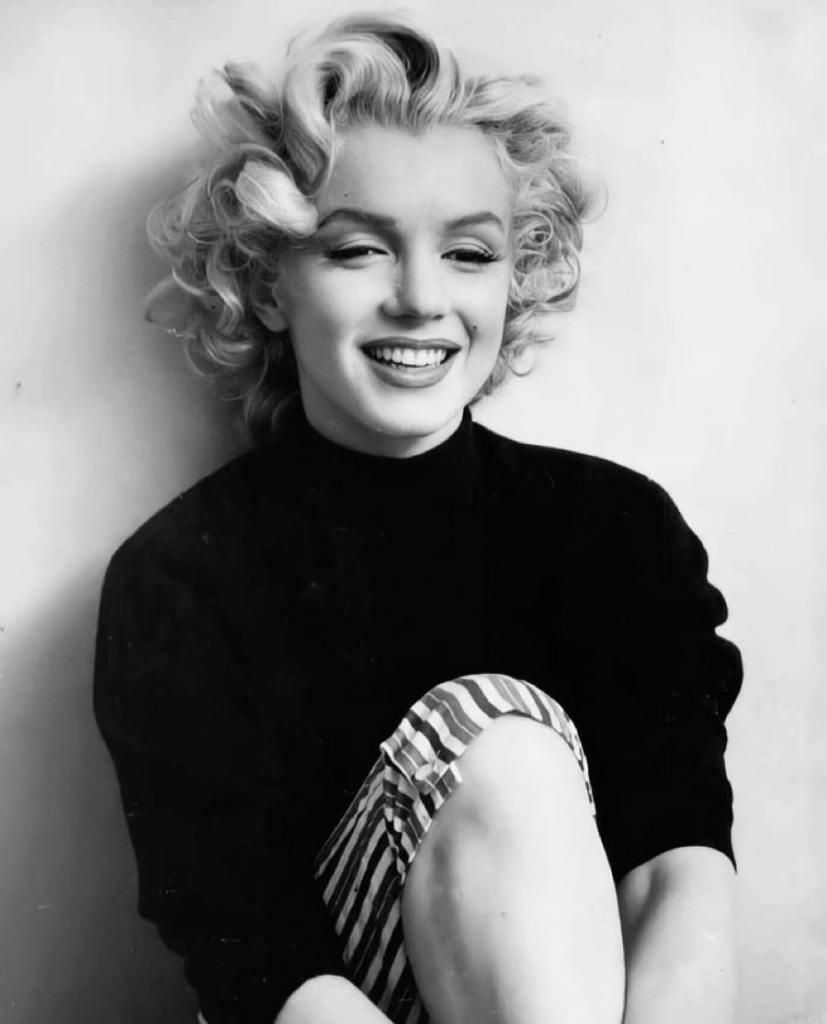
In 2017 for an interview with Vanity Fair, American writer and film director David Lynch uttered one of his most prolific quotes:
Everything is about Marilyn Monroe
This statement on the impact that Monroe has on historical and contemporary Western pop culture makes perfect sense when we look deeper, past the ambiguous and artistic phrasing.
How Can “Everything” be about Marilyn Monroe?
Monroe has always been at the center of American pop culture. Born June 1, 1926 as Norma Jeane Mortenson, she has left her thumbprint on American iconography forever with her career as a talented actress. With younger generations being so far removed from her time gracing the silver screen, she is remembered simply as a sex symbol, and her legacy is plagued with transformative art using her likeness — whether that is Andy Warhol’s iconic pop art silkscreened prints or pictures of her with juxtaposing phrases like “Fuck off” or “Bitch, please” edited over her eyes.
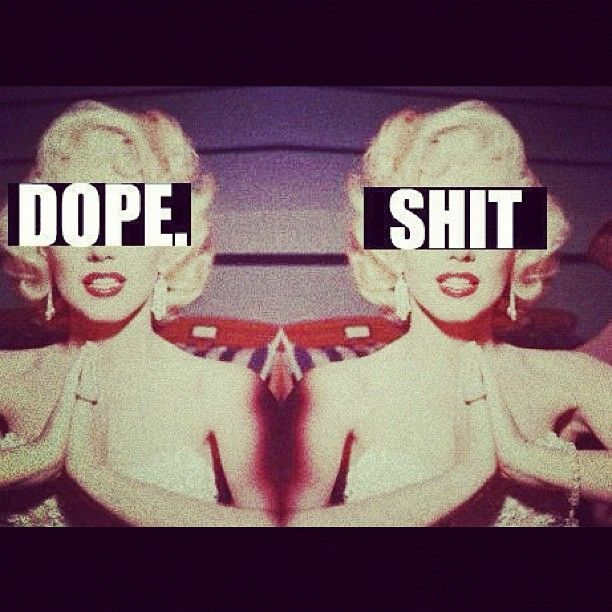
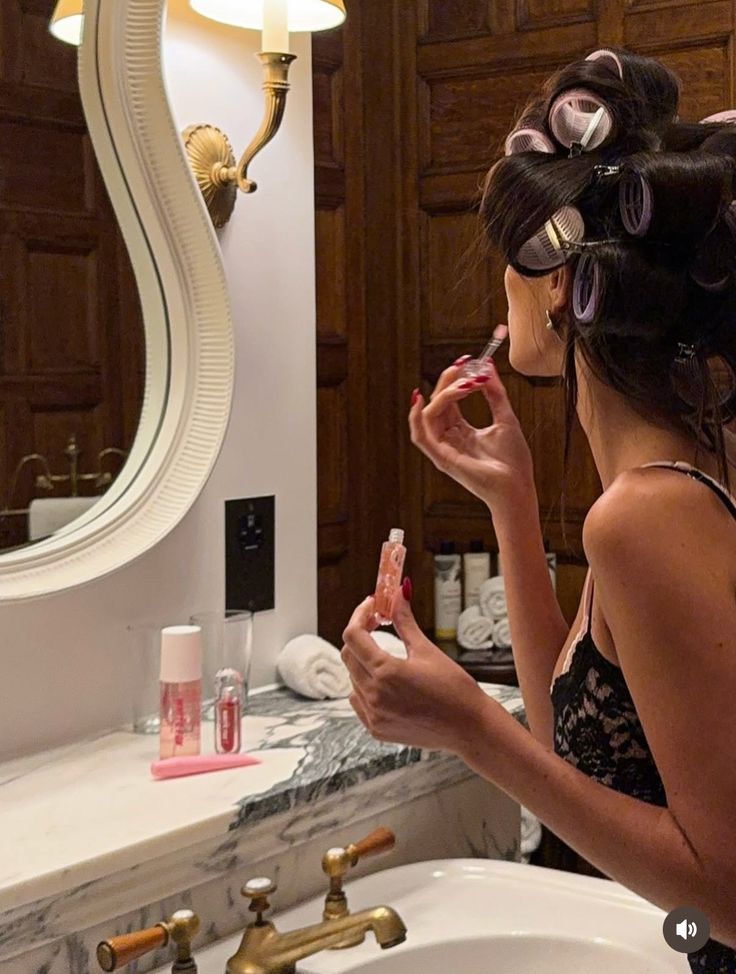
Photo from Pinterest.com
No matter the way people know about Monroe, everyone knows of her. She is the poster-woman for the American dream and the ideal for femininity — the angelic babydoll with a soft voice and an air of demure, yet untapped sexuality that perfectly suits the male gaze. A kind of sexual femininity that makes male viewers feel like they can ‘awaken’ this sexuality in her, furthering the idea of her dehumanization. Her archetype for femininity is seen as something pure with the possibility of corruption. Her most iconic features — red lips, ‘bedroom’ eyes and wavy, bleach-blonde hair have garnered cultural statuses of their own.
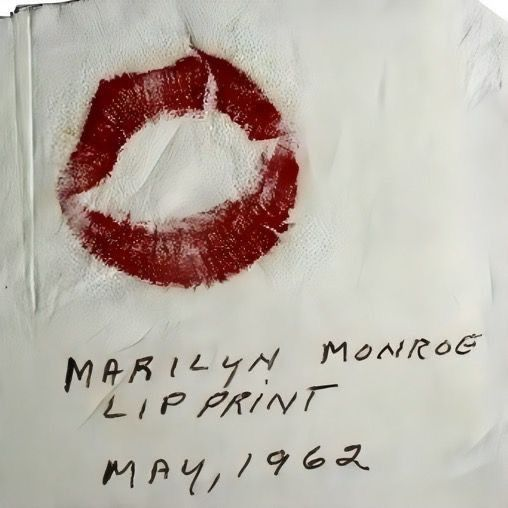
Laura Palmer: A Picture of Marilyn
Lynch’s work is far from an exception of something that is delighted, dazzled, startled and exceptionally inspired by the starlet’s image, infamy and unintentionally objectifying status that comes with being a cultural icon. Laura Palmer, the main character of his iconic, cult-classic TV Show “Twin Peaks”, airing first in 1990 on ABC, fits the beloved Marilyn Monroe archetype — including all of its glamour and the pitfalls of female sexuality being viewed as an opportunity for sexual exploitation. The show follows the surreal investigation of Palmer’s small-town murder, and how the townspeople cope with the loss.
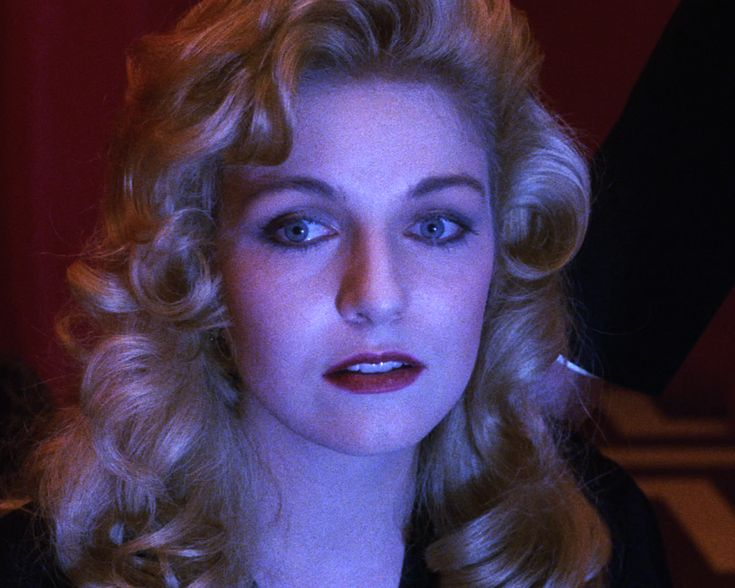
In the opening scene, Palmer’s deceased body is found washed ashore the town’s lake, with obvious signs of sexual abuse committed before her murder. The characterization of Laura Palmer throughout the show is painted with this same sort of enigmatic sex appeal as Monroe’s career. In the town of Twin Peaks, she is the natural bleach-blonde angel baby girl-next-door; but she is also a sex symbol. This same duality found in Monroe’s celebrity persona is often cited as one of the things that cements her as a cultural icon.
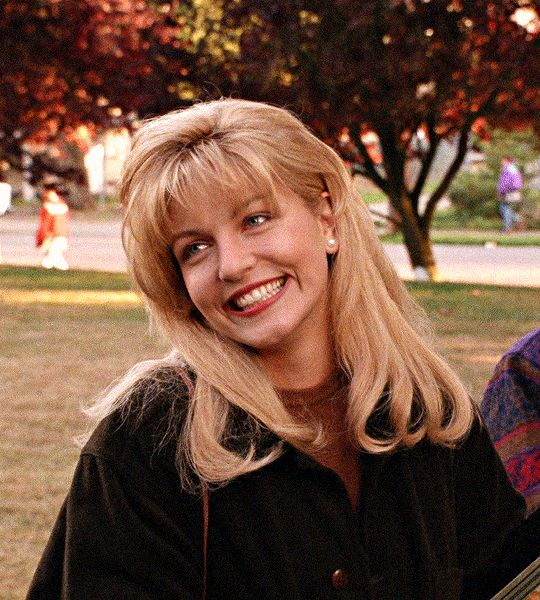
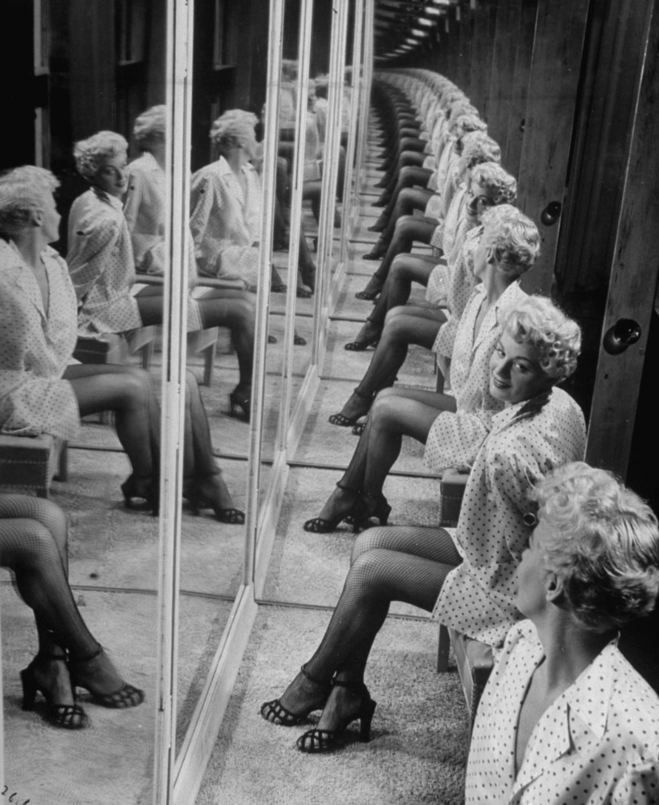
Photo from Pinterest.com
Despite being the main character of the show, Palmer never gets to tell her own story, only being seen through the romanticized or muddled memories of other characters. Through these surreal, dream-like puzzle pieces of recollection of her life before her death, viewers learn that behind Palmer’s picture-perfect high school prom queen enigma that the town places upon her is a history of struggles with drug addiction, depression, loneliness, sexual abuse, paranormal hauntings (meant to symbolize her many mental illnesses) and life as a sex-worker. This mirrors Monroe’s personal life, and the harrowing pitfalls of drug abuse, sexual abuse, and depression that might come with stardom.
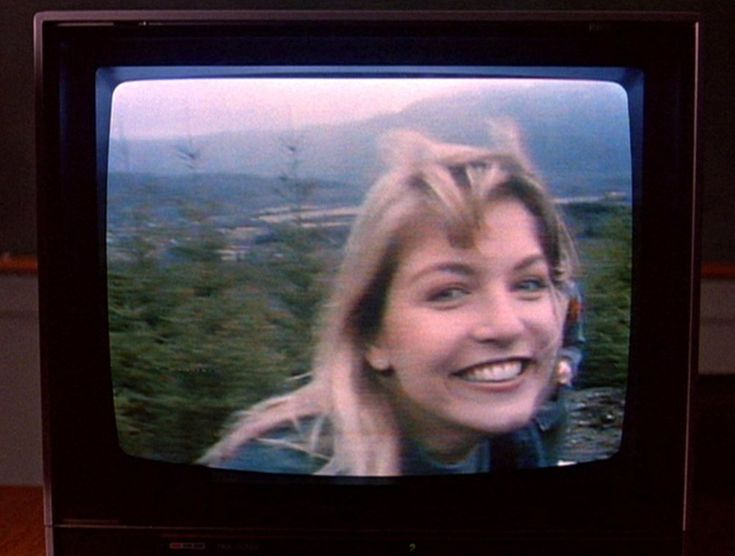
Palmer’s character is heavily associated with the fictional character Alison DiLaurentis from “Pretty Little Liars,” and is often cited as a possible inspiration for the it-girl, enigmatic character who also goes missing in her respective story.
Palmer’s character and her mistreatment and objectification from the town haunts the show’s narrative, much like Monroe’s mistreatment as a sexual icon haunts American pop culture.
My life is whatever the other person in the room wants it to be. Therefore, when I am alone, my life is nothing.
—The Secret Diary of Laura Palmer (1990)
Muse Culture’s Contemporaries
The concept of ‘muse culture’ shows up more recently in contemporary pop culture with the example of Kanye West, and his questionable use of women — often his romantic partners — in his art.
On Feb. 2, 2025 at the 67th annual Grammy Awards, Bianca Censori and Kanye West found themselves amidst a viral moment when Censori dropped her black fur overcoat, revealing only a sheer mini-dress underneath, on the award show’s red carpet.
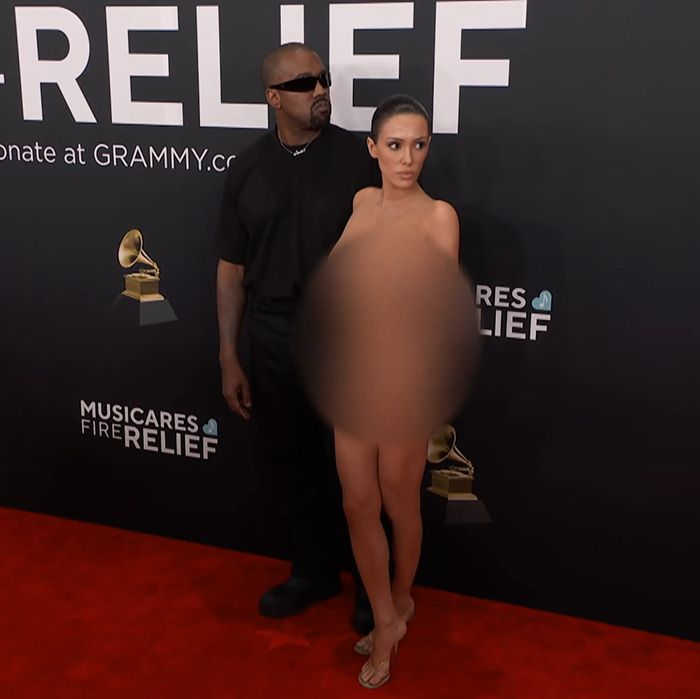
Before entering the magnifying glass of the public eye with her marriage to West in 2022, Censori worked as an architect for West’s company Yeezy, where the couple met. Their 2025 Grammy Awards appearance — being the couple’s red carpet debut — sparked discourse online questioning Censori’s agency in choosing and presenting her look, leaving audiences wondering if West was using Censori’s naked body as a sort of performance art piece itself, fulfilling his artistic needs.
Censori has gone on to debut her first performance art piece BIO POP in Seoul, South Korea on Dec. 11, 2025. The piece depicts countless models dressed up and made to look like clones of Censori — complete with surreal and uncanny plastic masks crafted to match Censori’s face — and is meant to comment on the objectification of women.

West’s use of his current romantic partner tracks back to his past relationships as well — with Kim Kardashian and Julia Fox needing no introduction.
In 2022, Fox went viral after her appearance on the “Call Her Daddy” podcast hosted by Alex Cooper, where Fox claimed the role of West’s “muse,” with her also calling West “The Artist.” The couple split later on in 2022, and Fox has since come out with a memoir in 2023 titled “Down the Drain,” where she writes about the blocks in personal artistic autonomy that come with being viewed as a piece of art yourself — in someone else’s exhibit.
In a 2024 interview with Complex, Fox began to rewrite the narrative when she said “I’m my own muse.”
What do you think of ‘muse culture’? Let us know @VALLEYmag on Instagram!



I love reading and I conceive this website got some truly utilitarian stuff on it! .
I’m also commenting to make you be aware of what a helpful encounter my cousin’s daughter developed viewing your blog. She realized some pieces, which include how it is like to possess a great helping mood to make many more just learn a variety of grueling issues. You undoubtedly surpassed people’s desires. Thanks for supplying such precious, safe, informative and fun thoughts on that topic to Ethel.
Very interesting points you have mentioned, thanks for posting. “Pleasure and love are the pinions of great deeds.” by Charles Fox.
Awsome website! I am loving it!! Will come back again. I am bookmarking your feeds also
Hey there! This post could not be written any better! Reading this post reminds me of my old room mate! He always kept talking about this. I will forward this page to him. Pretty sure he will have a good read. Thanks for sharing!