
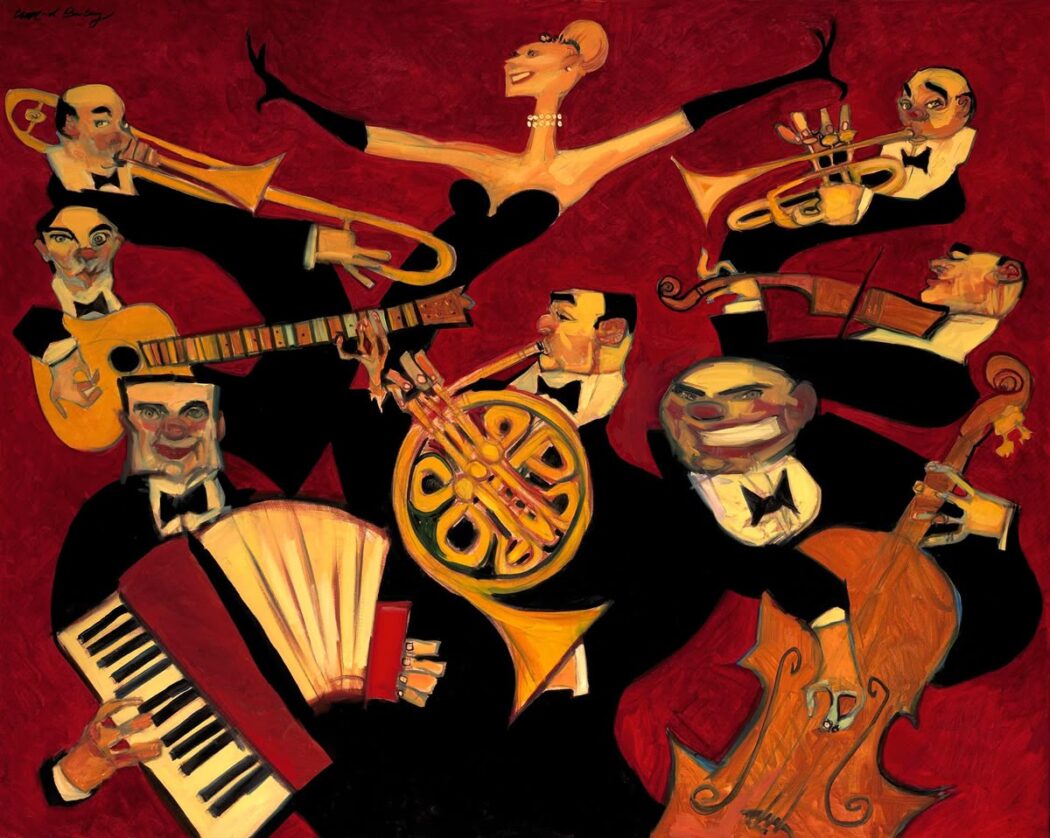

“Do you like jazz?” Even though Gen Z has never used or heard this line earnestly, it’s still recognized as a cliché conversation starter. However, it really is an interesting question. Those who listen to jazz recognize how, when done right, jazz can feel like a conversation. When we speak to one another we’re collaborating with other artists, freestyling our phrases and improvising our interactions.
Creating a beautiful conversation for others to listen to or join in the jam is becoming a lost art. As we turn more and more towards A.I. to help us choose our words, we’re sacrificing our songs. A good conversation has an undeniable flow to it. It’s not an even give and take, but a constant evolution of topics and emotions combined to make a melody.
Musicality of Community
Trying to strike up a conversation is always the hardest part. With an unlimited amount of music available, what will make your song special? You can only play one instrument at a time, so your choice of accompaniment will create the harmonies you desire. What’s important is making sure that your conversation is a blend of all the different parts, knowing when it’s your turn to listen or to jump in.
Listening to jazz is more like an emotional exercise, rather than a calming, sleepy sound that many people associate with it. Without words, we’re able to understand when the trumpet takes the lead; we’re energetic and happy. It tells us stories of spring and new beginnings. Similarly, when you hear a lone, low saxophone, it fills you with an unspoken melancholy or even longing. Our words and tone create the same effects, and we can learn to utilize them just as skillfully.
A Synthesized Sound

Although A.I. isn’t speaking for us as of now, by letting it write our essays, emails and regurgitate our own ideas, we sacrifice our chances to solo. While it’s great to collaborate with others, being given the spotlight is an opportunity to showcase our skills and freely express ourselves.
Take for example the film “La La Land” — Ryan Gosling’s character, Sebastian, longs to play jazz in a real jazz club. However, the only way to get paid enough is to join a jazz band that also utilizes trendy and soulless synthesizers, dramatic dress and other cheap tricks to attract a wider, younger audience.
This is similar to the effect of AI on our language. It makes it easier to please the general populace, but doesn’t strive to really say something. Without a voice of its own, it’s just remixing the samples you feed into it. Just like the band in “La La Land,” AI cannot improvise out of a swell of emotions — it only knows to play the programmed keys to make a hit.
You and Your Instrument
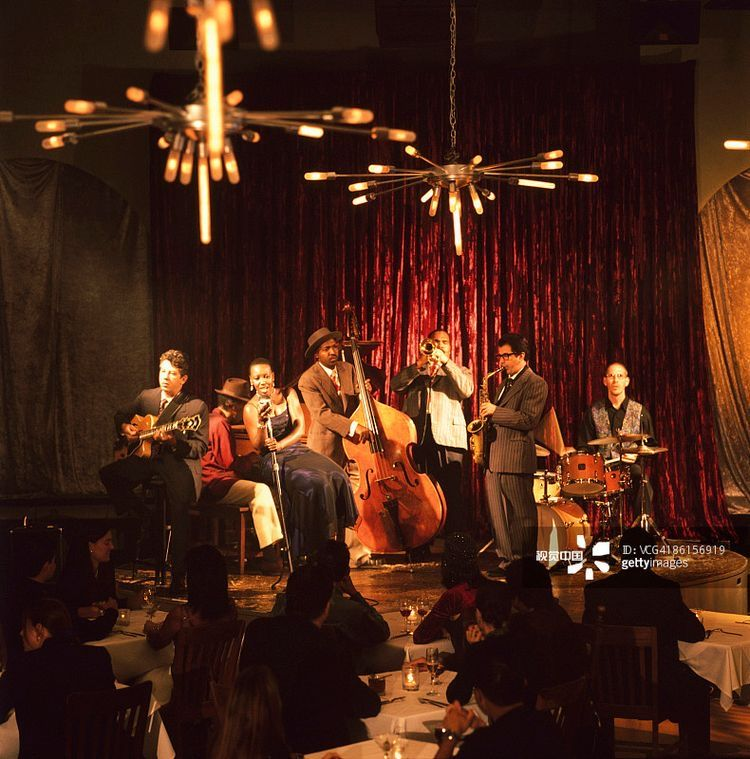
Being a good conversationalist takes practice, just like it takes time and effort to learn how to play an instrument. The more you practice, the easier it will be for you to find a flow for yourself and in any ensemble. Finally, when you find the right group to share your tune with, you’ll all be able to make something greater together.
No one wants to hear a song with only one instrument, just like no one wants to be a part of a one-sided conversation. It’s important to listen and look for cues from our fellow jazz musicians so we know when it’s our time to jam, or to take a step back, and enjoy the music we’re making together.
How do you strike up the band into a good conversation? Let us know on X @VALLEYmag!





Wow, marvelous blog structure! How long have you ever been blogging for? you make running a blog glance easy. The whole look of your site is magnificent, let alone the content material!
My husband and i have been very satisfied when Michael managed to round up his studies by way of the precious recommendations he came across while using the site. It is now and again perplexing to just be handing out tips many others may have been trying to sell. And we all take into account we’ve got the writer to thank because of that. Most of the illustrations you have made, the easy blog navigation, the friendships you will help foster – it is many exceptional, and it’s really letting our son and our family know that that idea is brilliant, and that is very mandatory. Thank you for all the pieces!
Undeniably believe that which you said. Your favorite justification seemed to be on the net the simplest thing to be aware of. I say to you, I definitely get annoyed while people consider worries that they plainly don’t know about. You managed to hit the nail upon the top and also defined out the whole thing without having side effect , people can take a signal. Will likely be back to get more. Thanks
I’ve been exploring for a little for any high quality articles or blog posts on this kind of area . Exploring in Yahoo I at last stumbled upon this site. Reading this info So i am happy to convey that I have a very good uncanny feeling I discovered exactly what I needed. I most certainly will make certain to do not forget this web site and give it a glance regularly.
Some really nice and useful information on this web site, too I conceive the design and style contains fantastic features.
Hey very nice site!! Man .. Beautiful .. Amazing .. I’ll bookmark your web site and take the feeds also…I am happy to find so many useful information here in the post, we need develop more strategies in this regard, thanks for sharing. . . . . .