
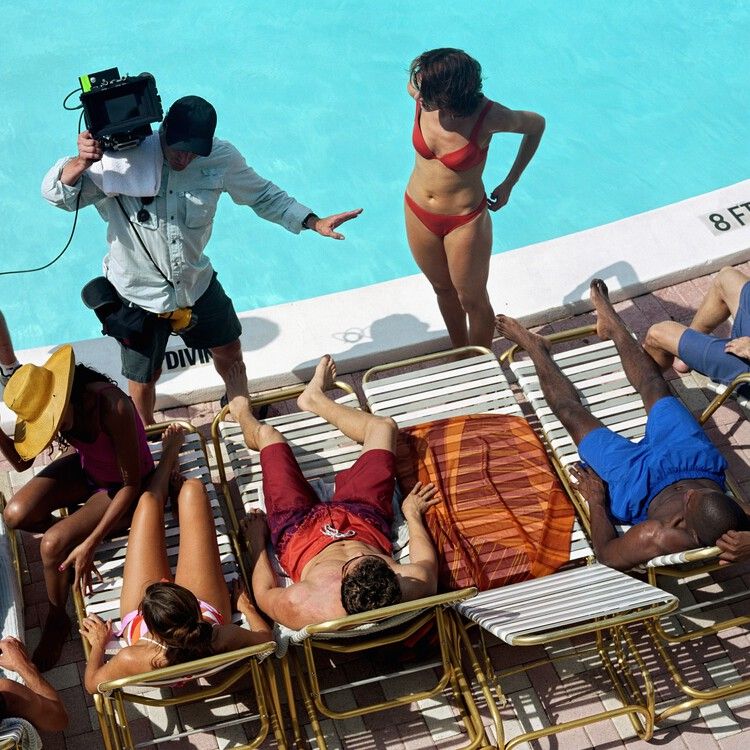
From crash-outs to unfiltered raw emotions, glimpses into others’ lives — both the good and the bad — make reality television addictive. It’s easy as an outsider to judge what we are watching; these people on screen no longer feel real to us, but become characters we think we understand. Every decision they make becomes fair game to critique, because after all, nobody would act that outlandishly without a camera around.
From invasive questions to explosive fights that seem to erupt out of nowhere, reality TV often looks less like real life and more like scripted entertainment. It is shocking to imagine people behaving like that, especially in front of a full camera crew. It can appear they are working it up for the audience, but something else is at work and hiding in plain sight: the producers.
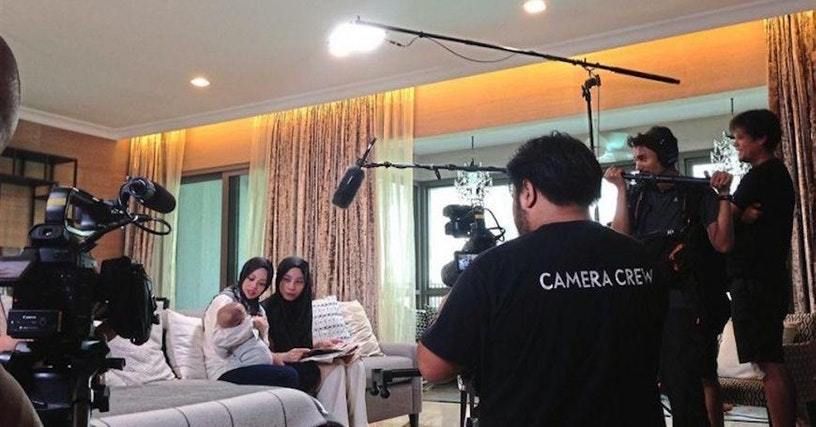
While the cast might be the face of the show, they are merely characters in a storyline the producers are creating. They decide what questions are asked, who interacts and cut and piece together footage to push a narrative, even if it is far from the truth.
A Confession to Make
In many of these shows, cast members are encouraged to speak what is on their mind, whether it be face-to-face or in confessionals. Audiences might question why they speak their mind so openly, but in reality, it is the producers who instigate these conversations.
Drama means views. Nobody wants to watch someone’s day-to-day that mirrors their own, because they already live it. Producers know this and will plant these seeds to start conflict. A prime example of this is “Love Island,” a popular reality dating show. The cast will pull each other for ‘chats,’ which have become famous as a way they dig for drama or confront one another.

It may seem on the surface that they are just curious, or even a little nosy, but it is the producers setting these conversations up. They control everything from who talks to whom to the direction the conversation goes. “How did you feel when she said that about you?” “Do you think they are being honest?” These questions stir the pot and get people to say things that they might have normally kept inside.
Behind the Scenes
The editing room is where reality truly gets blurred. Hours of footage must be sorted through and condensed into hour-long episodes, and genuineness hardly makes the cut. Moments are rearranged, or expressions are taken out of context, but all sewn together to look like one continuous run of emotions and drama.
This is where these people, characters, ones to root for, ones to hate and even comic relief. They are boiled down to these labels that are far more complicated than that. The hated character might have had moments of kindness, or fan favorites could have moved behind people’s backs, but nobody will ever see the footage proving it. This edit decides who the audience loves and who they will rip apart online.
A Relevancy Race
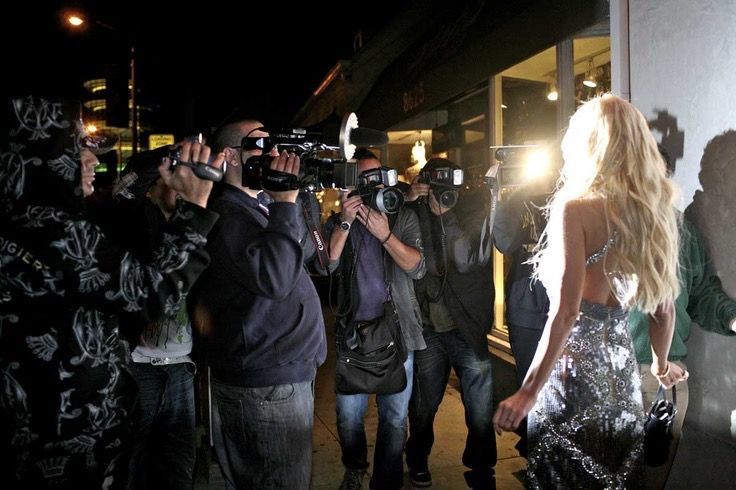
While producers can push storylines and public opinions on cast members, they still face pressure to produce entertainment. Many know that boring or “safe” behavior means less screen time, which means losing relevance, and the less relevant you are, the fewer opportunities following production are available. This could mean not as many followers, sponsorships or possibly a smaller paycheck.
In this environment that pushes for exaggeration, these reality stars deliver. People become bolder or more confrontational because any publicity is good publicity. The version of themselves portrayed is not authentic; it is a performance.
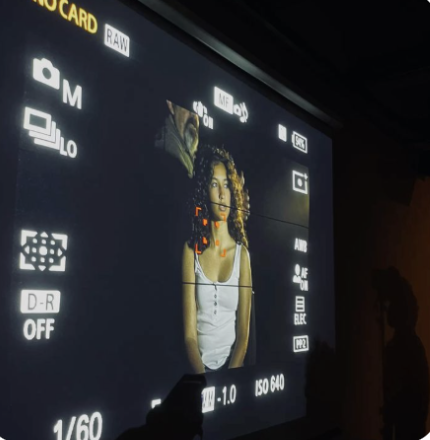
Unlike separating an actor from the character they play, participants are playing themselves, and have no defense against any hate or harassment from the public. But if the majority of it is curated, how much blame should a cast member face for an image of themselves created by producers? If audiences consume this media as if it is real, it is difficult for them to differentiate these people in real life from them on television.
Reality TV is a unique form of entertainment made to show real people’s stories. And while there is truth in the emotions, conflicts or vulnerabilities, they are filtered through hours of editing and modified for the producer’s narrative. It’s real enough to believe, but scripted enough to keep us watching. The harshest reality, however, isn’t that the drama is fabricated, but that the consequences for the people living it absolutely are.
What reality stars do you relate to the most? Tell us your favorites on Instagram @VALLEYMag!




This web site is really a walk-through for all of the info you wanted about this and didn’t know who to ask. Glimpse here, and you’ll definitely discover it.
Wonderful website you have here but I was wondering if you knew of any forums that cover the same topics discussed in this article? I’d really love to be a part of community where I can get feed-back from other knowledgeable individuals that share the same interest. If you have any suggestions, please let me know. Thanks a lot!
I am now not certain where you are getting your info, however good topic. I needs to spend some time learning much more or understanding more. Thank you for excellent information I used to be looking for this info for my mission.
Hey would you mind sharing which blog platform you’re working with? I’m looking to start my own blog soon but I’m having a difficult time making a decision between BlogEngine/Wordpress/B2evolution and Drupal. The reason I ask is because your design seems different then most blogs and I’m looking for something completely unique. P.S Apologies for being off-topic but I had to ask!
Hey very cool blog!! Man .. Excellent .. Amazing .. I will bookmark your website and take the feeds also…I’m happy to find a lot of useful info here in the post, we need develop more techniques in this regard, thanks for sharing. . . . . .
I have been browsing on-line greater than 3 hours as of late, yet I never found any fascinating article like yours. It is beautiful value sufficient for me. In my opinion, if all website owners and bloggers made just right content material as you did, the internet might be a lot more helpful than ever before.