
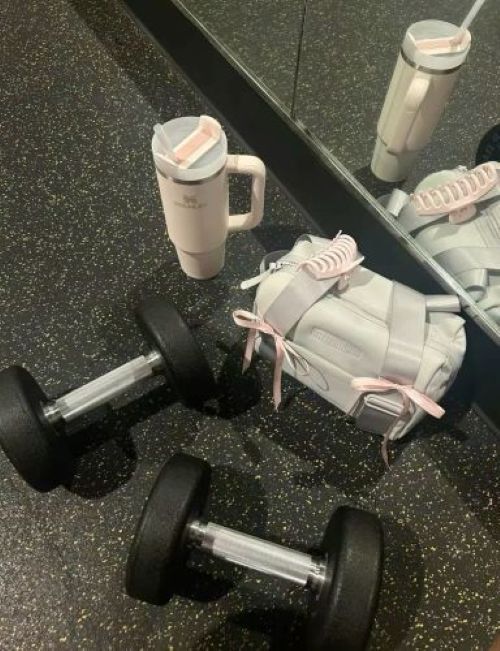
On October 14th, this Consumer Reports article on the harmful contents of protein powders and shakes blew up on X. People were raving about its claims and even started making jokes about the article’s findings.
The report calls out a few products like Huel and Naked Nutrition for having excessive amounts of lead, while many other popular protein drinks and powders were also name dropped.
With popular drink spots on campus like Shake Smart and Starbucks selling protein infused drinks to students everyday, should the health risks of these so-called “healthy” products be something to worry about?
In the quest for gym gains, what is the cost our bodies will take to reach our goals?
Protein’s Purpose
Protein is an essential part of every person’s diet whether you’re a gym goer or not. The protein we absorb from our food is how the cells in our body repair themselves and generate new ones. For growing teens and bulking athletes, they’re even more necessary as muscles stretch and grow.
Usually, the recommended daily intake for protein is 10-35% of your total daily calorie needs. Whether that be through meat, beans or a chocolate flavored powder. However, the trend of protein powders in drinks is something that doesn’t have to be a part of our daily diets. Unless you have dietary restrictions or are a professional athlete, getting protein purely from normal foods is entirely possible.
Health Does Not Equal Healthy
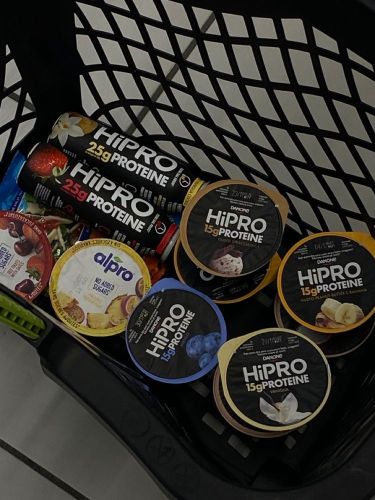
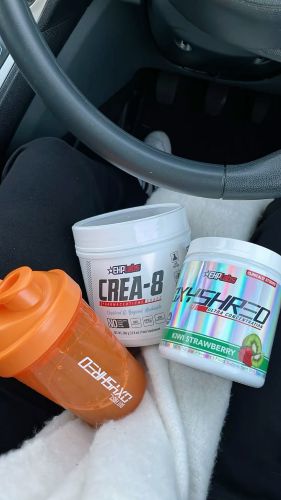
Consumer Report’s article underlines how some of these protein powders can still be taken in moderation. As with a lot of these health “supplements”, they should be just that: supplementary to a healthy routine. They can be helpful if you’re deficient in certain nutrients, but dietary supplements should never be the majority of your food intake. According to the National Institute of Health, a lot of negative side effects can result from certain supplements. Too much vitamin A can cause liver damage. An excess of iron can lead to nausea or vomiting.
Products like these are always marketed as being “healthy”, but that doesn’t mean it’ll actually be good for your health.
Of course, any of these items in moderation won’t harm your body negatively.
But lead? No amount of lead is technically healthy for you, but what are its actual effects?
Lead and where it Leads
According to the World Health Organization, lead poisoning adversely affects the brain, liver, kidney and bones. Children are the most negatively affected by it as it inhibits their brains from absorbing the iron, zinc and calcium they need for brain development, leading to a lot of neurological issues later in life. The United States Environmental Protection Agency also outlines how lead exposure in adults can affect reproductive organs, cause high blood pressure, affect memory and make muscles painful. As accidental sources of exposure through paints, plastics and dust is difficult to avoid, we must be diligent and aware of the lead we may be consuming willingly.
You may think that just because it’s sold in stores nationwide, it must be safe to consume, right?
According to Consumer Report’s correspondence with the U.S. Food and Drug Administration (FDA), there is currently “no federal limit specifying the amount of lead allowed in protein powders.” This lets individual manufacturers decide what is harmful to consumers, and there’s no telling what corners they could cut for the sake of profit.
From the Earth
As the average person, we can’t change the federal regulations of all food products or test everything we eat, so what can we do?
Everything in moderation is key, from a sweet treat to a protein shake that may or may not contain lead. While avoiding the most lead heavy products from Consumer Report’s article is for the better, they recommend some other protein powders that are “safer” to consume.
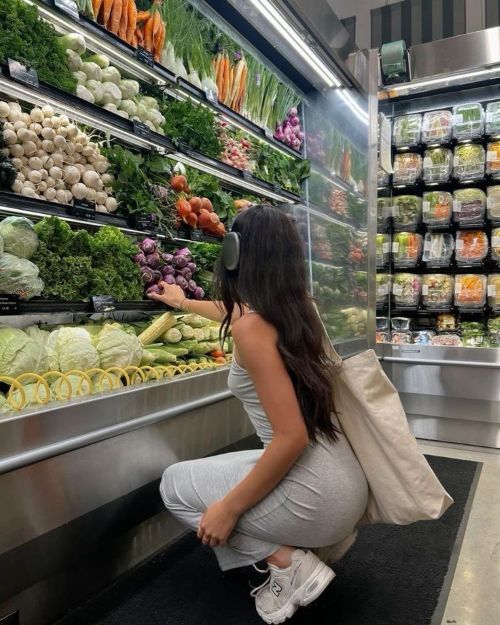
Ultimately, the safest and healthiest option will always be to choose something natural rather than unnatural. Whole foods with naturally high amounts of protein like lentils, tofu, lean meats and eggs should always be your go to.
Protein mania has been rampant in gym culture lately, but you don’t need to fall for it!
Tag us on Instagram, @VALLEYmag, with pics of your favorite protein-rich meals and drinks!