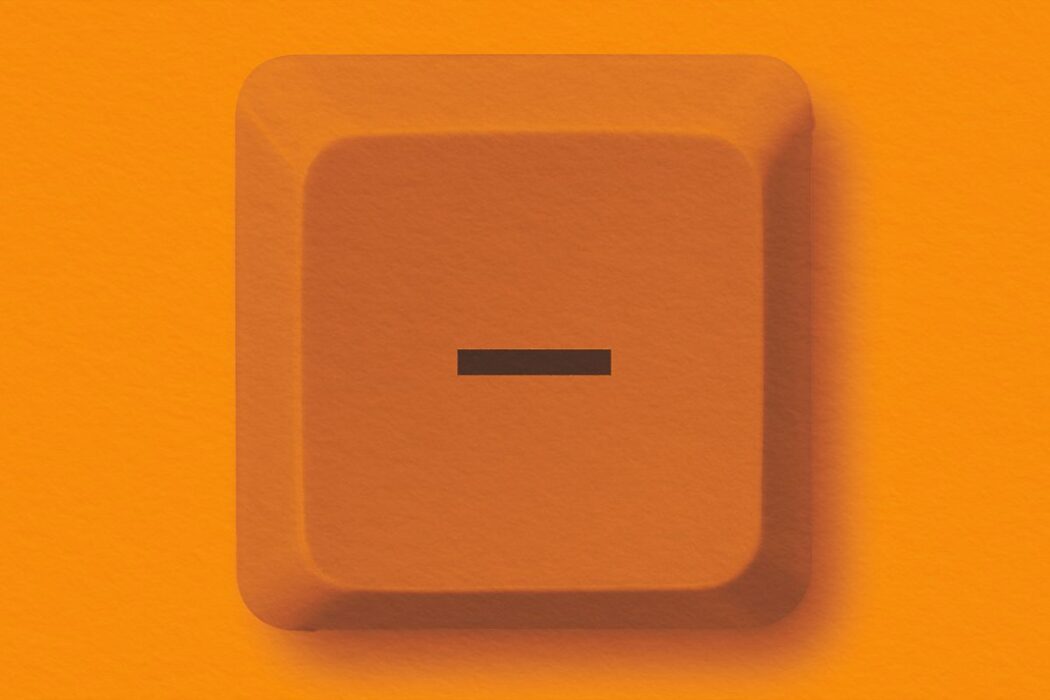
The em dash is a punctuation mark named for being about the length of the letter “M” that can be used in place of a comma, semicolon or parenthesis. A catch-all writing element that spices up sentence structure and often adds a more personalized voice to writing, the em dash has recently been caught in the crossfire of online AI writing discourse.
A Growing Issue
Artificial intelligence software, such as Chat-GPT, Google Gemini and Microsoft Copilot, is becoming a standard writing aid in the academic and professional worlds. While they can be used as tools to improve readability and content, many take advantage of the accessibility and ease of access with which AI can write an entire essay in seconds.
Students are increasingly submitting essays and other assignments written mostly, if not entirely, by one of these software programs, causing instructors to be on high alert for unoriginal content in writing. A crackdown has begun on signifiers in content that are more often used by AI than humans, with the most prevalent being the excessive use of the em dash. Asking any sort of artificial intelligence to conjure a response on nearly any topic will result in a text filled with grammatically correct em dashes.
But why the em dash?
The em dash is arguably the most human punctuation mark. It denotes a break in the text similar to how a human would break up speech in regular conversation, so why is artificial intelligence so fond of it?
The goal of artificial intelligence is to come across as human as possible, so the humanity of the em dash is likely what leads to its overuse. It can soften a sentence break, replace a comma or set aside additional information within a statement. Despite its wide variety of uses, the em dash is seldom utilized by intermediate writers, like high school or college students. For this reason, it is easiest to spot when it is being used often and correctly and immediately assume plagiarism.
A New Fear: Perfection
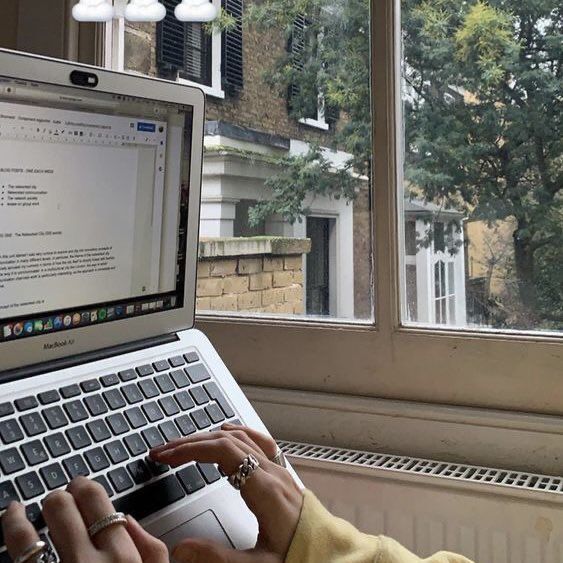
As the em dash gains more and more popularity on the internet as something to avoid, writers fear the consequences of other grammatical elements being falsely flagged as AI writing. The consequences of any accusations, whether or not they are true, could cost someone academic and professional opportunities. As a result, many writers fear the consequences of using perfect grammar and varied sentence structure, which are often flagged as signs of AI usage. Now, authors, especially students, are becoming sloppier with their writing style so as not to raise questions about the content and quality being flawless. However, such expectations should be the standard, particularly in academic contexts where work is graded.
The Future of Original Writing
As the fear of AI usage allegations grows among students and writers, the quality and content standards will inevitably change. It is difficult to pinpoint exactly what is original content in writing, especially as AI models adapt over time. Such concerns should not lead advanced writers to abandon benchmarks of flawlessness out of fear of being falsely accused.
Let us know on X, @VALLEYmag, with your experiences with generative AI and writing.
Related
Harvard Sues the Trump Administration
Be Aware Of Recent Book Bans
Columbia University explained





1 Comment