

Whether they have come up on your TikTok For You Page, or you have noticed someone’s sudden upgrade in appearance, it is very plausible that you have come across peptides in your recent life. Peptides are a string of amino acids that act as proteins to serve some sort of function to the body. Peptides can come from a plethora of groups of proteins like eggs, milk or soy. The peptides that have received the most spotlight are those that cater to some sort of physical appearance boost for those who choose to inject themselves. So, what are these “star student” peptides that have been getting so much controversy?
BPC- 157
BPC- 157 claims to heal muscles and ligaments. The string of amino acids is derived from pieces of proteins already present in our bodies, used to create the synthetic peptide. The injection of the peptide is used to improve muscle recovery and gut protection. BPC- 157 is often taken in unison with TB-500, another peptide with similar claimed results, within the bodybuilding community.
GHK-Cu
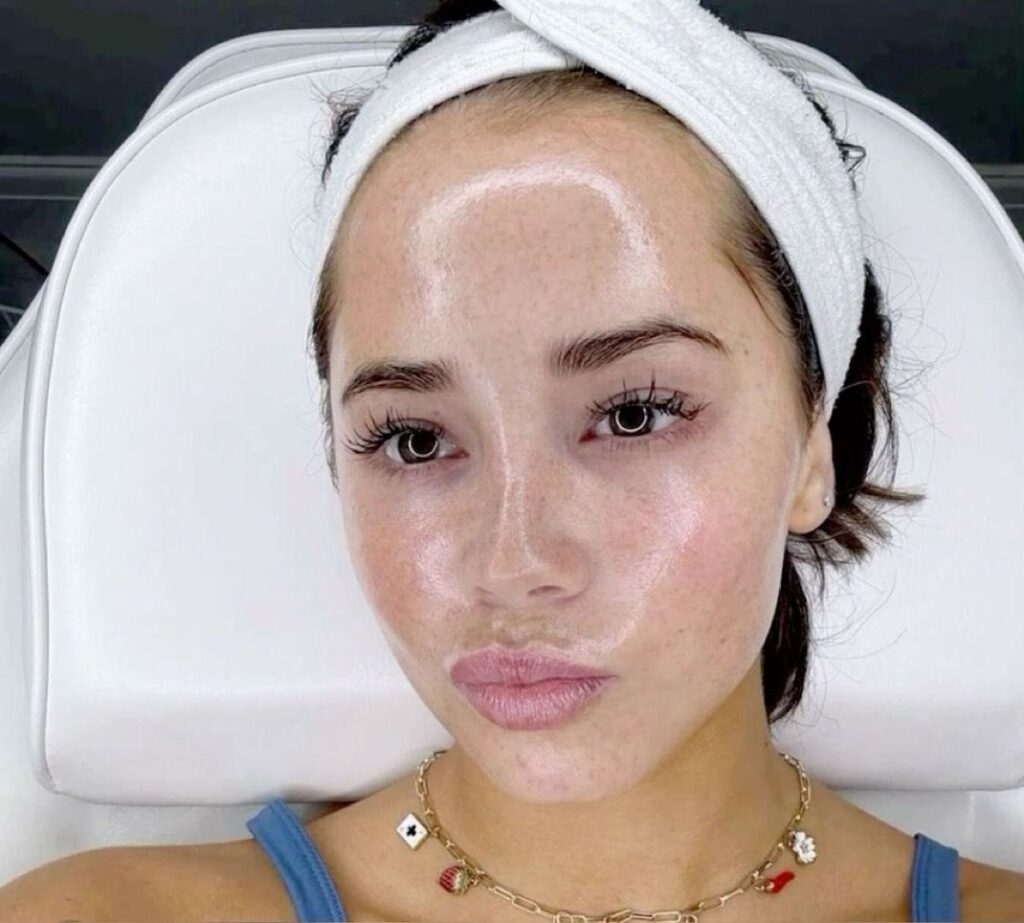
One of the most popular peptides, Copper Tripeptide- 1, commonly referred to as GHK-Cu, promotes collagen and elastin genes. The boost of collagen can support healthier hair, better skin and less wrinkles.
Melanotan I and Melanotan II (mt1/mt2)
Melanotan I and Melanotan II are both peptides used to increase skin pigmentation and stimulate tanned skin without sun exposure. While they both are successful in darkening the skin, Melanotan II has been shown to suppress the injector’s appetite and increase libido. Melanotan II has also been shown to provide stronger tanning results, though it does come with more risks than Melanotan I.
FDA approval
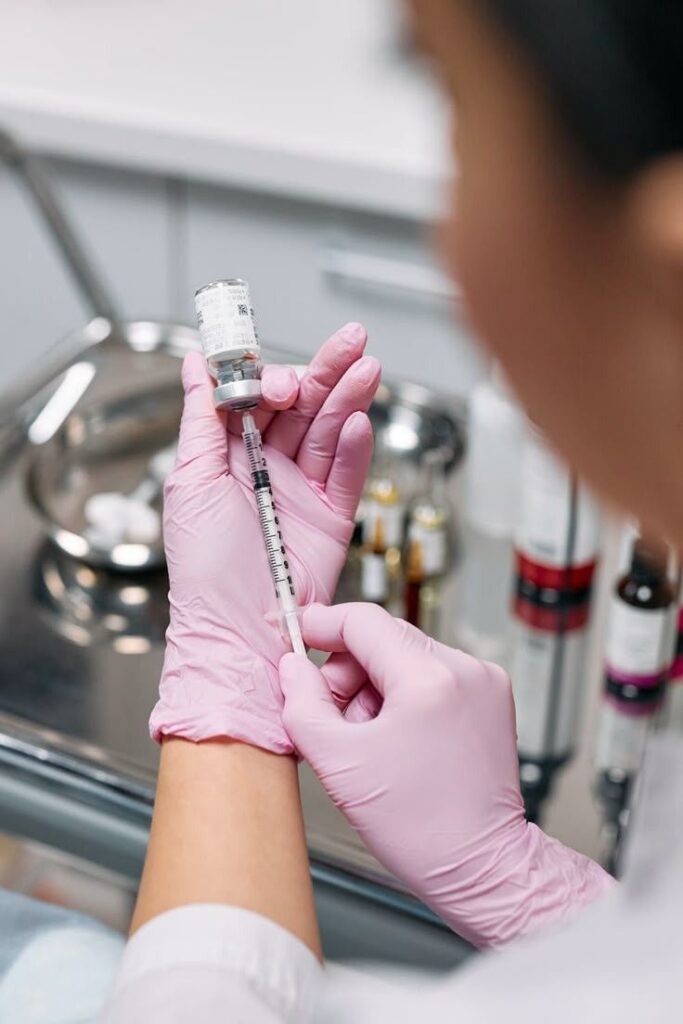
While so many people are injecting themselves with these peptides, they are still not officially FDA-approved. The reason for this is simple. The benefits that come from injecting these peptides are not curing a disease or illness. So, there is no urgency for doctors and medical professionals to pour unnecessary money and time into something that is not a top priority. Trials that could determine the effectiveness of longevity peptides would take tens of years and millions of dollars. With no investors to fund clinical trials, it seems unlikely to expect FDA approval of longevity peptides in the near future.
Peptides behind the scenes
Now, while cosmetic peptides have not gotten FDA approval, we see peptides all over the medical world that have been approved by the FDA to help treat patients. The most popular may be insulin, a
Risks and gains
At the end of the day, injecting peptides does remain a risk, considering there is no official clinical trial done to determine the long-term effects. With that being said, it comes down to a personal choice.
Do the benefits outweigh the potential for future risks? What do you think? Let us know at @VALLEYmag on Instagram!




I was reading some of your content on this internet site and I think this website is very informative ! Continue posting.
Good info. Lucky me I reach on your website by accident, I bookmarked it.
You have observed very interesting points! ps decent internet site.
Very interesting details you have noted, thanks for posting.
I have been exploring for a bit for any high-quality articles or weblog posts on this sort of area . Exploring in Yahoo I finally stumbled upon this site. Studying this info So i’m satisfied to express that I’ve an incredibly just right uncanny feeling I discovered exactly what I needed. I most indisputably will make sure to do not forget this site and give it a glance regularly.
Regards for this tremendous post, I am glad I detected this internet site on yahoo.
You have brought up a very great points, appreciate it for the post.
Hmm is anyone else having problems with the pictures on this blog loading? I’m trying to figure out if its a problem on my end or if it’s the blog. Any feedback would be greatly appreciated.
Excellent post. I was checking continuously this blog and I am inspired! Very helpful information specially the final section 🙂 I maintain such information a lot. I was seeking this certain info for a very lengthy time. Thanks and good luck.