
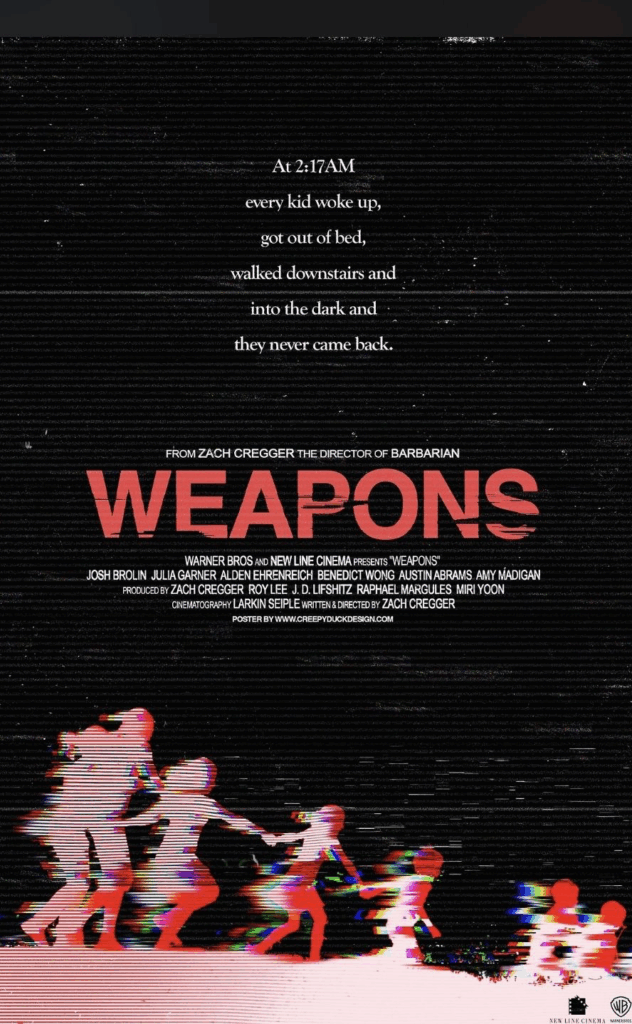
This writer recently watched the horror film “Weapons.” The story is centered around a community that loses a whole classroom of students but one. As the movie continues, suspects come and go and families grow restless. However, the “who” in this movie isn’t as important as their ending is. Spoiler alert: the bad guy gets what they deserve. Karma saved this film and it definitely won’t be the last.
Psychological Treat
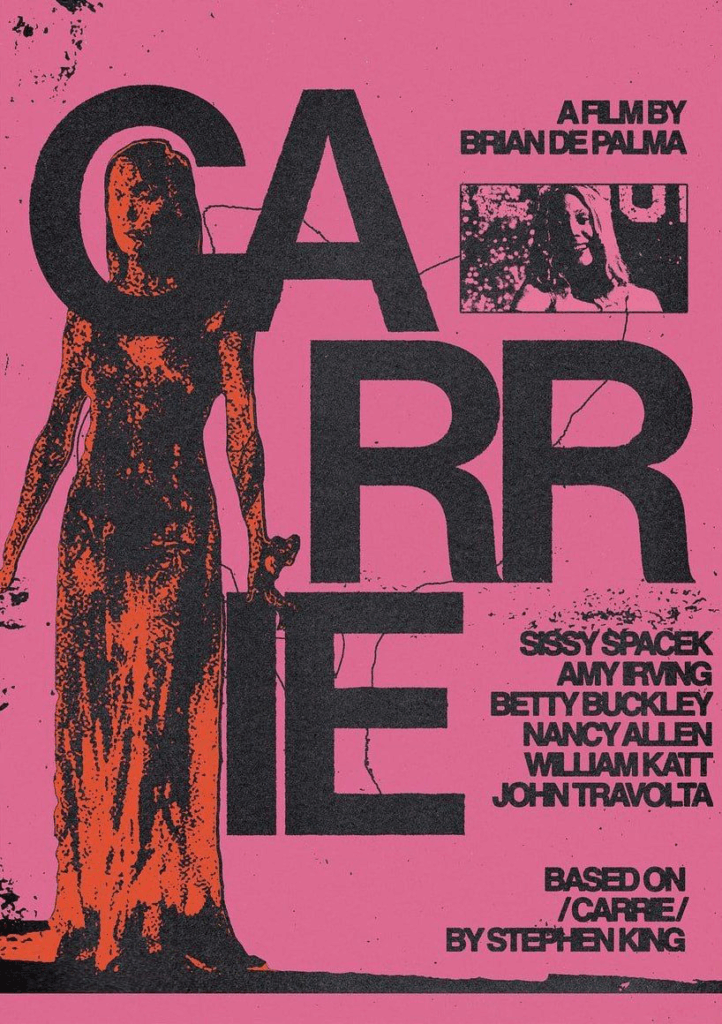
The film “Carrie” from 1976 is a well-known example of this phenomenon. The protagonist is bullied and harassed throughout her childhood and teenage years. When she suddenly gets demonic-like powers, she uses them to physically punish her abusers. Like in “Weapons,” the antagonists meet an extreme, violent end.
For most of the plot, the audience is forced to watch Carrie get bullied. It’s expected that the audience wants the abusers to feel the same pain she did. Based on the idea “an eye for an eye,” the ending is satisfying because the abuse comes full circle. Our brains do not need to do much work here. We see evil people, they are punished, we feel good.
Movies can be reflections of society. Seeing the “bad guy” get punished for his behavior is mentally satisfying. As an audience, we secretly yearn for those moments. It’s very simple: karma reaffirms our belief that society will take action when it needs to.
Movie Magic?
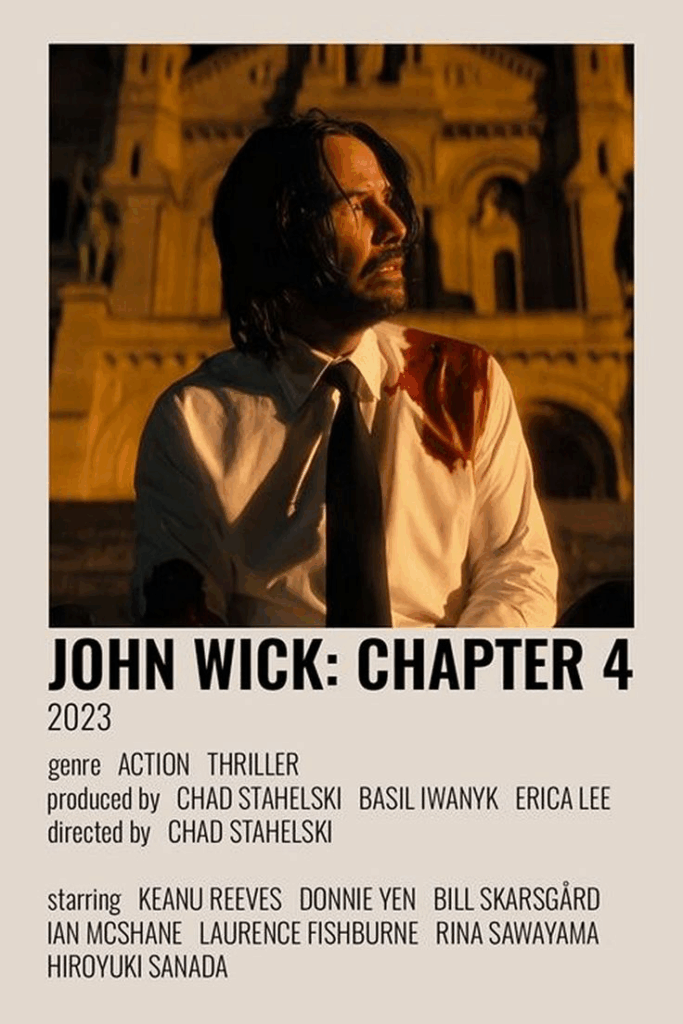
What happens when the karma is all a film has? Take the “John Wick” franchise for example. (No, this writer isn’t hating on it.) The entire premise of it is that Keanu Reeves is avenging his dead dog and stolen car. While those are arguably valuable, this writer argues that the story could’ve ended after one two-hour session.
Yet, there are four movies of John Wick going around eliminating people. Yes, one can argue they’re the “bad guys,” but that’s it. The franchise relies on the idea that there will always be a karma-starving audience. Without karma, John Wick would just be another retired hitman.
Get Physical
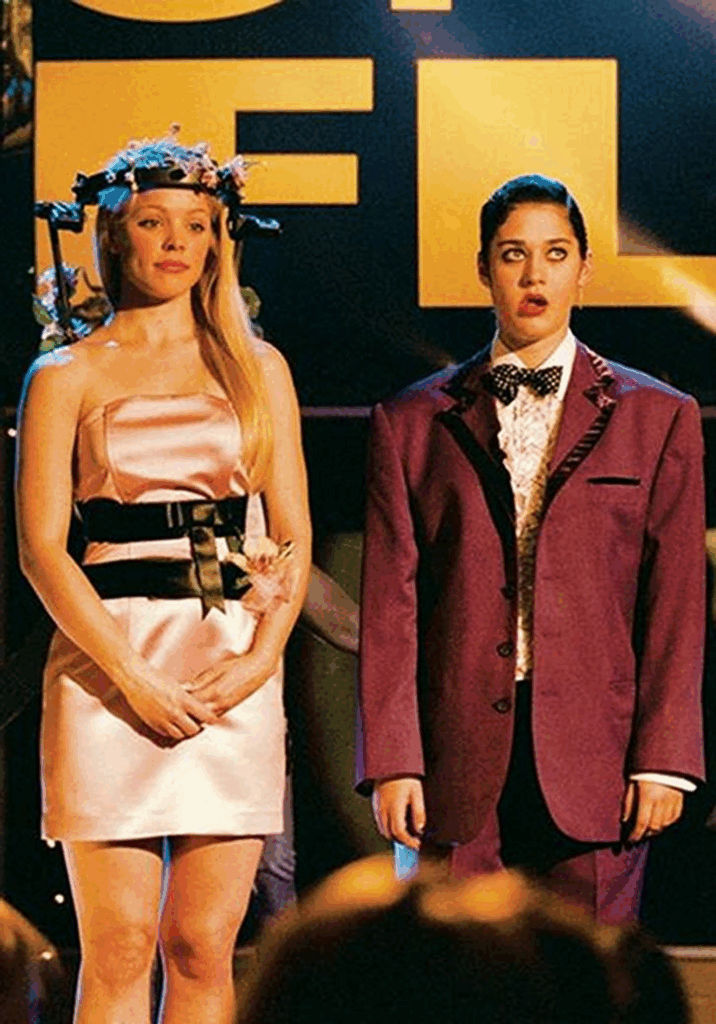
From what this writer has seen, movies with karma tend to use it in a physical sense. Take what happened to President Coin in “The Hunger Games: Mockingjay – Part 2,” or any antagonist in the “Kill Bill” franchise or even Regina George’s injury in “Mean Girls.” With the popularity of these films, it seems something about body karma just works.
Maybe it’s built into us as the audience. It’s a never-ending cycle that spans across genres. We take a bite of karma, and no matter how good the film is, we’ll keep watching for another taste.
What do you think about movie karma? Let us know @VALLEYMag on Instagram!






I’ll immediately snatch your rss as I can’t in finding your e-mail subscription hyperlink or newsletter service. Do you have any? Kindly let me understand in order that I may subscribe. Thanks.
hello there and thank you for your information – I’ve certainly picked up anything new from right here. I did alternatively expertise several technical issues the usage of this website, since I experienced to reload the website a lot of occasions previous to I may get it to load correctly. I were brooding about in case your hosting is OK? No longer that I’m complaining, but sluggish loading circumstances occasions will sometimes impact your placement in google and could harm your high-quality rating if ads and ***********|advertising|advertising|advertising and *********** with Adwords. Anyway I am including this RSS to my e-mail and could look out for much more of your respective intriguing content. Make sure you replace this once more soon..
There is noticeably a lot to realize about this. I suppose you made certain good points in features also.
Hi there! This post couldn’t be written any better! Reading through this post reminds me of my previous room mate! He always kept talking about this. I will forward this article to him. Pretty sure he will have a good read. Thank you for sharing!
Rattling great visual appeal on this web site, I’d rate it 10 10.
Hey! I could have sworn I’ve been to this blog before but after browsing through some of the post I realized it’s new to me. Nonetheless, I’m definitely glad I found it and I’ll be book-marking and checking back frequently!